
By James Raj, Deputy Executive Director, APPGM SDG
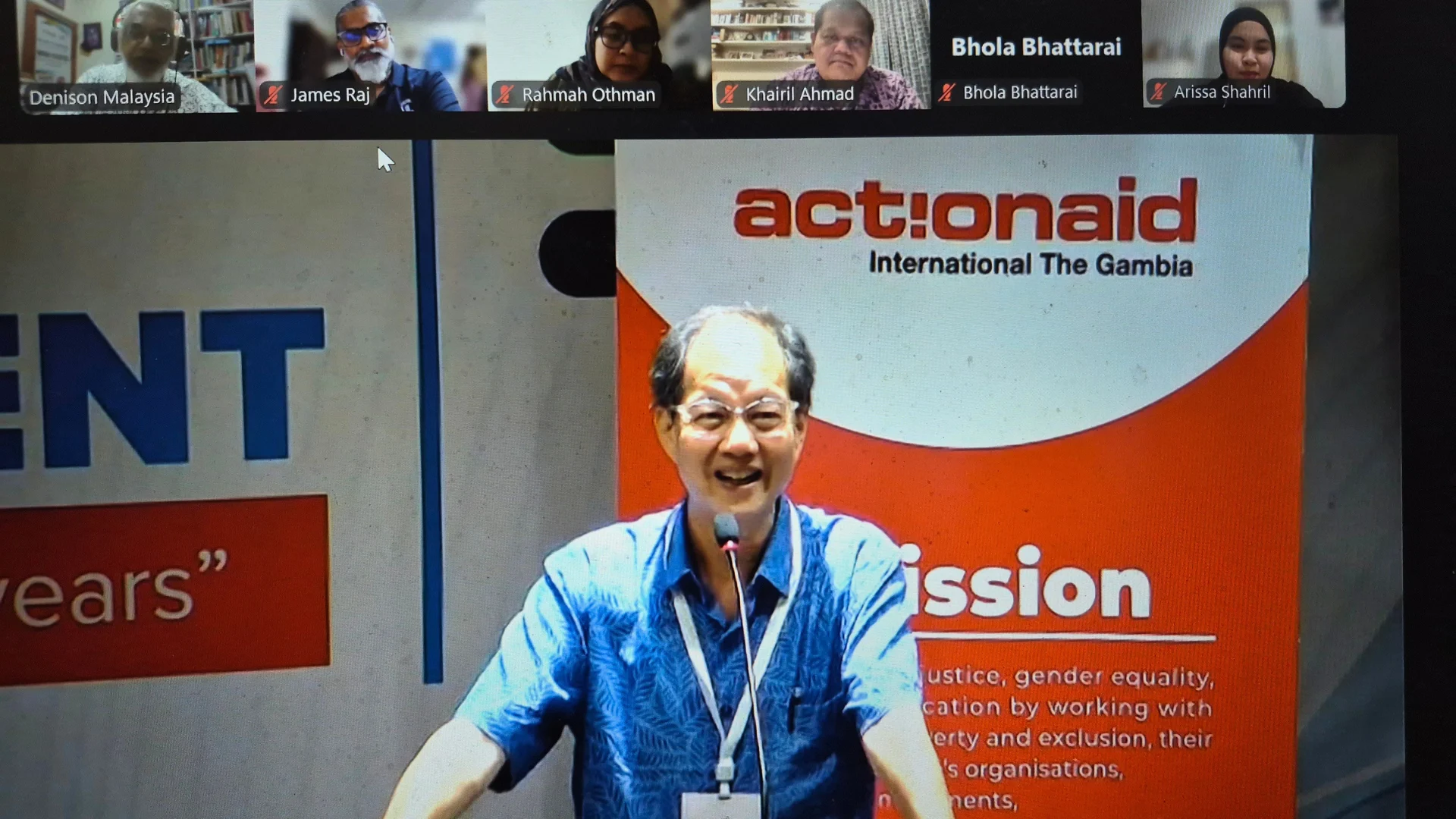
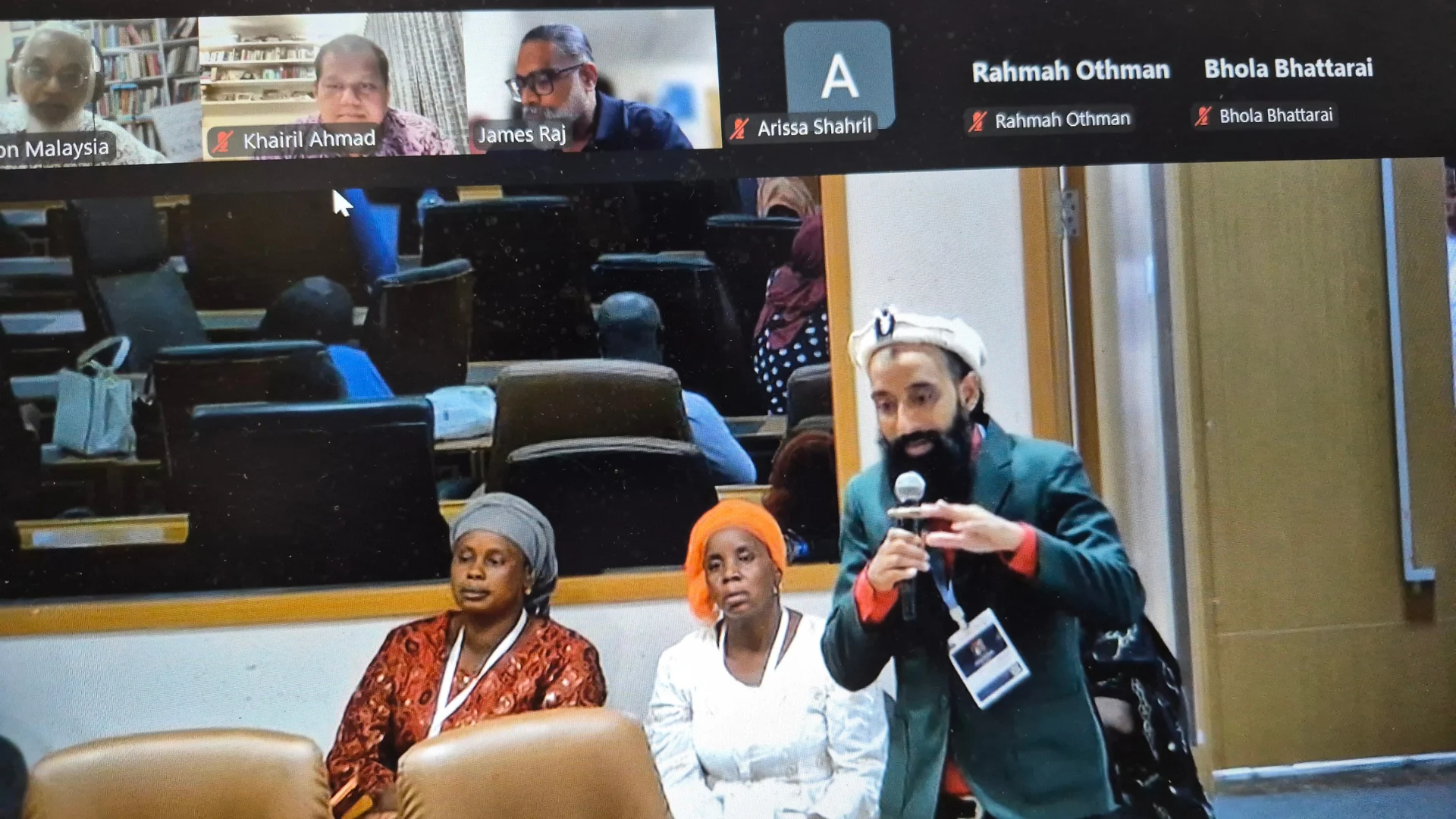
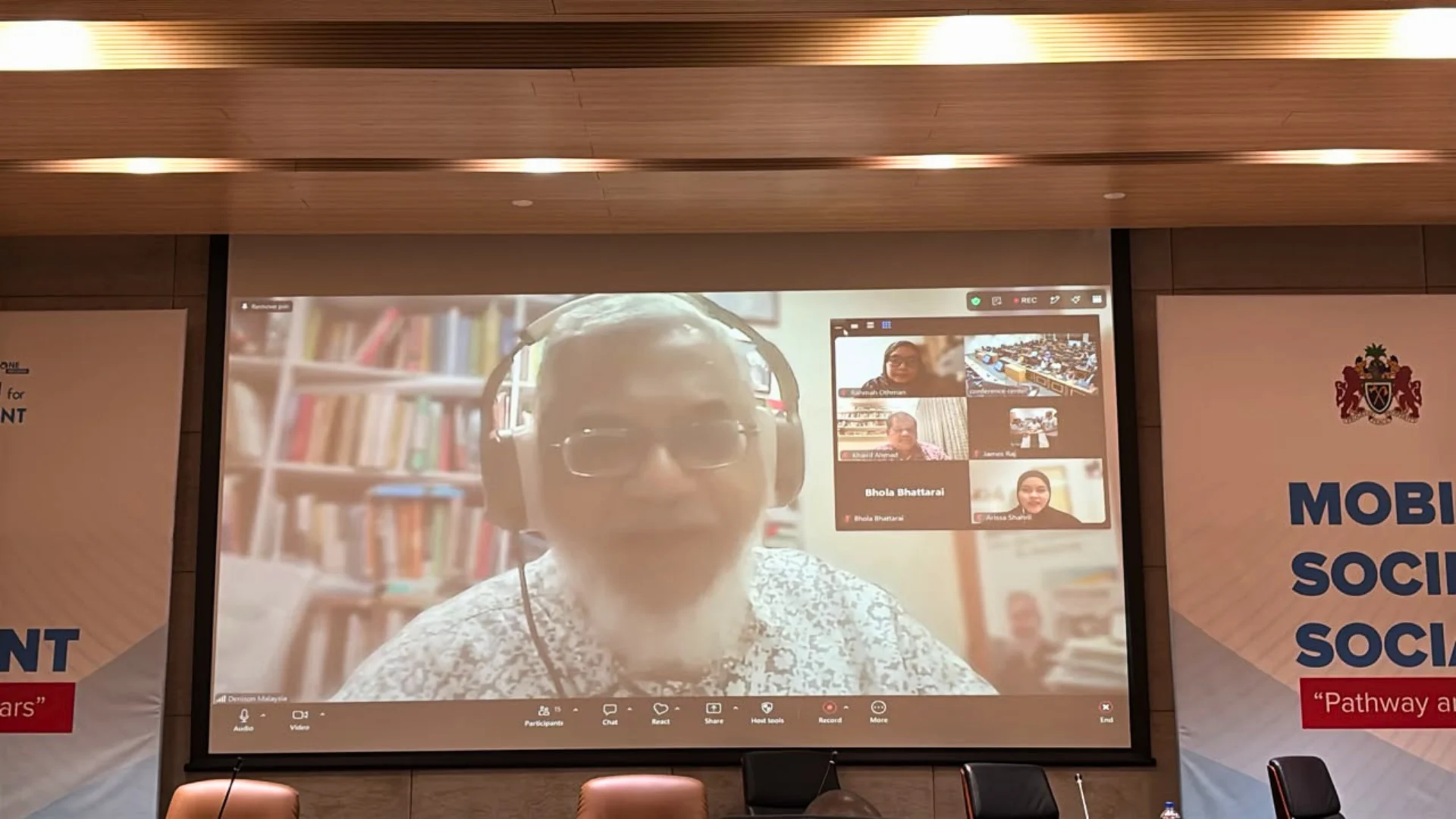
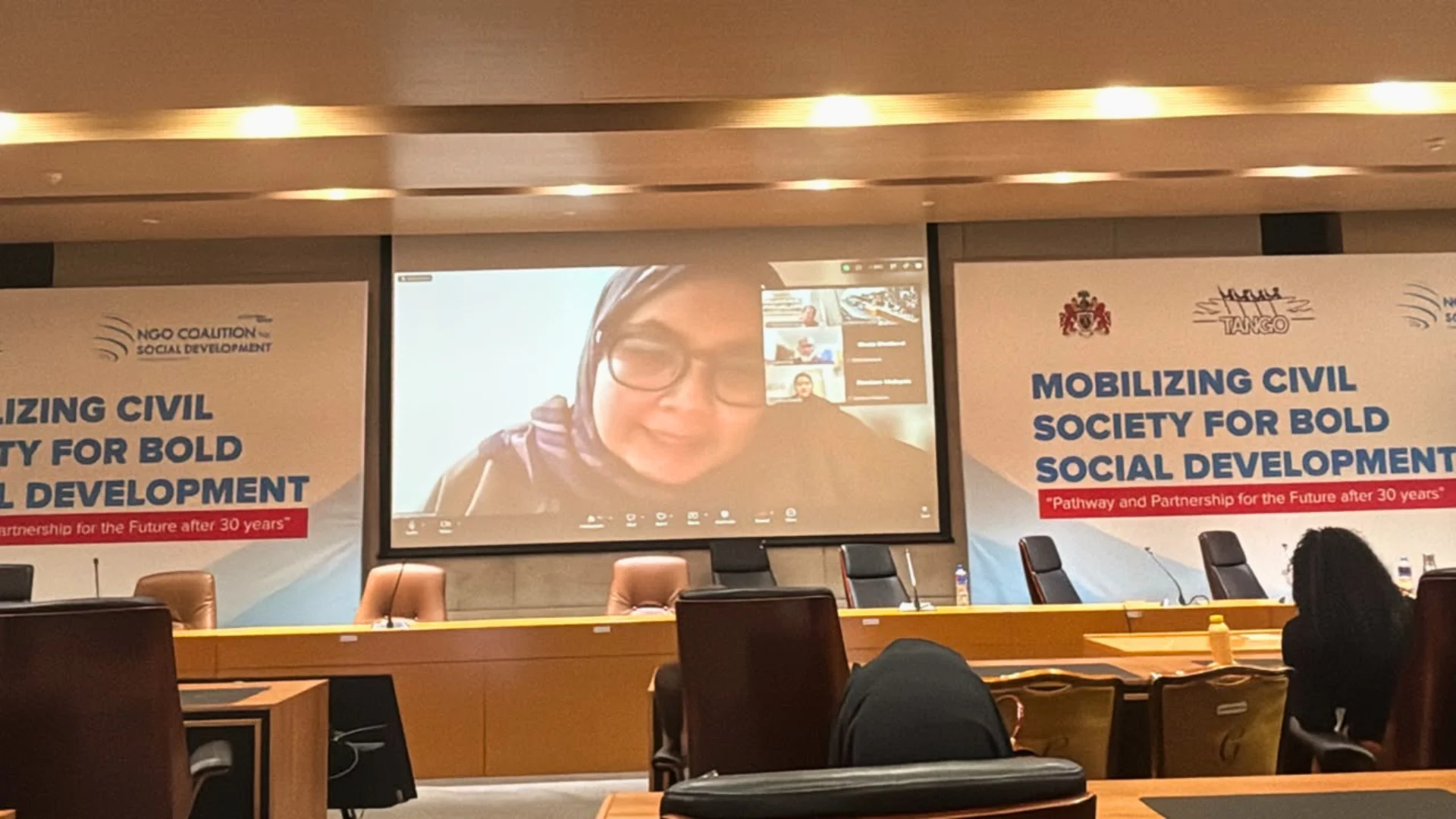
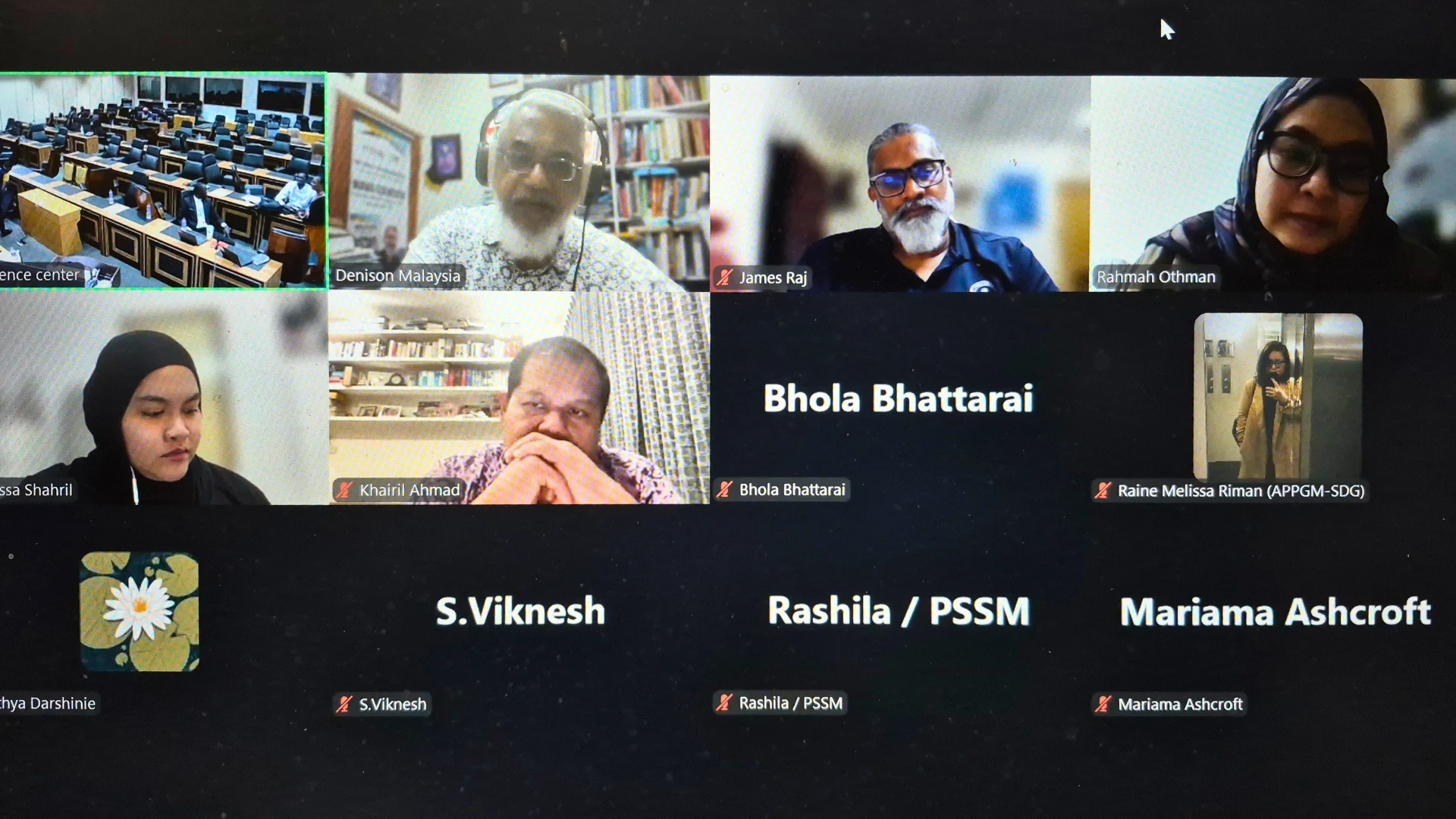
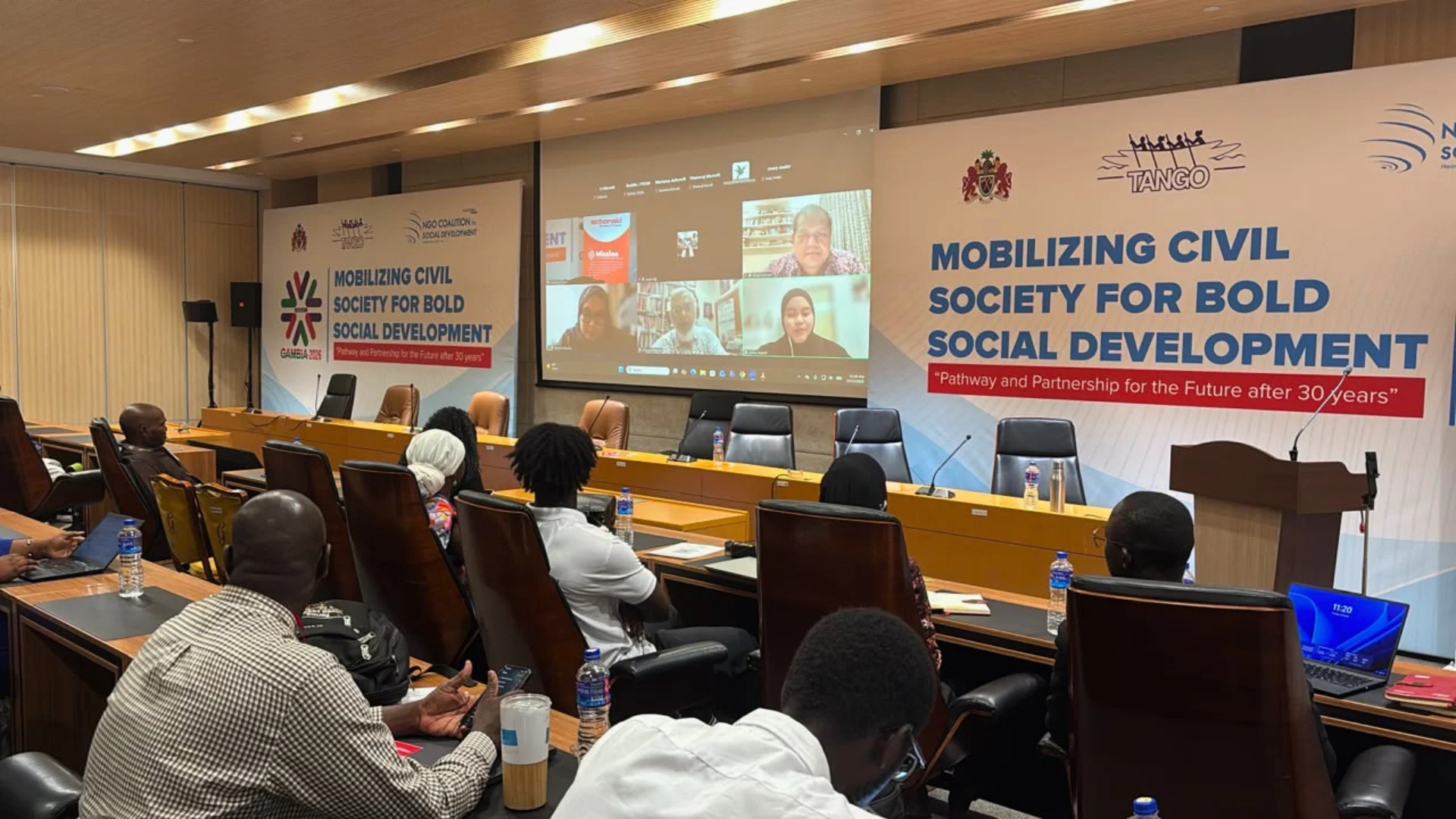
The All-Party Parliamentary Group Malaysia on Sustainable Development Goals (APPGM-SDG) shared Malaysia’s experiences and lessons learned from localising the Sustainable Development Goals (SDGs) at The Gambia NGO Action Week on 13 October 2026. The special session, titled “Localising SDGs through Community Empowerment: The Malaysian Experience,” brought together perspectives on social development, parliamentary engagement, community mobilisation, evidence-based interventions and regional cooperation. Gambia
The session showed how Malaysia has translated global development commitments into practical grassroots initiatives through partnerships involving parliamentarians, government agencies, civil society organisations, local communities, and solution providers.
Strengthening Global Civil Society Cooperation
The Gambia NGO Action Week forms part of a broader international civil society mobilisation initiative aimed at strengthening collective action on social development. The initiative is linked to the outcomes of the Second World Summit for Social Development in Doha in 2025 and the continuing global commitment to poverty eradication, decent work and social inclusion.
The NGO Affairs Agency under The Gambia’s Ministry of Lands, Regional Government and Religious Affairs, in partnership with the NGO Coalition for Social Development based in New York, is supporting a regional gathering scheduled for 19–23 October 2026 in Senegambia, The Gambia.
Under the theme “Pathways and Partnerships for the Future after 30 Years,” the initiative seeks to strengthen grassroots solidarity, civil society participation and accountability for international social development commitments.
An important objective is the development of a Civil Society Framework of Action to monitor progress towards the Doha commitments. The proposed NGO-Common Space initiative also aims to connect civil society organisations internationally for knowledge-sharing, advocacy and collective action.
Within this context, APPGM-SDG was invited to present Malaysia’s experience as a practical model of connecting national development policies with community realities.
Four Perspectives on Malaysia’s SDG Localisation Journey
The Malaysian session featured four presentations addressing complementary dimensions of sustainable development.
Prof. Datuk Dr Denison Jayasooria, Head of the APPGM-SDG Secretariat and Chair of the Society for the Promotion of SDGs, opened with a presentation examining the evolution of the global social development agenda from Copenhagen in 1995 through the adoption of the SDGs in 2015 to the Doha Declaration in 2025.
He emphasised the importance of people-centred development, multidimensional poverty measurement, social justice, decent work and the Social and Solidarity Economy (SSE). His presentation highlighted the need to move beyond welfare dependency towards community empowerment, self-reliance and sustainable livelihoods.
He also identified five priorities for accelerating the SDGs towards 2030: addressing multidimensional poverty, strengthening the solidarity economy, advancing social justice, protecting food security and mobilising ethical and faith-based action.
Mrs Nur Rahmah Othman, Executive Director of APPGM-SDG, presented Malaysia’s institutional and operational experience in translating the SDGs into local action.
She explained how the bipartisan parliamentary platform connects national policymaking with community needs through five interconnected components: issue mapping, community-based solution projects, capacity building, district-level policy interventions and parliamentary policy advocacy.
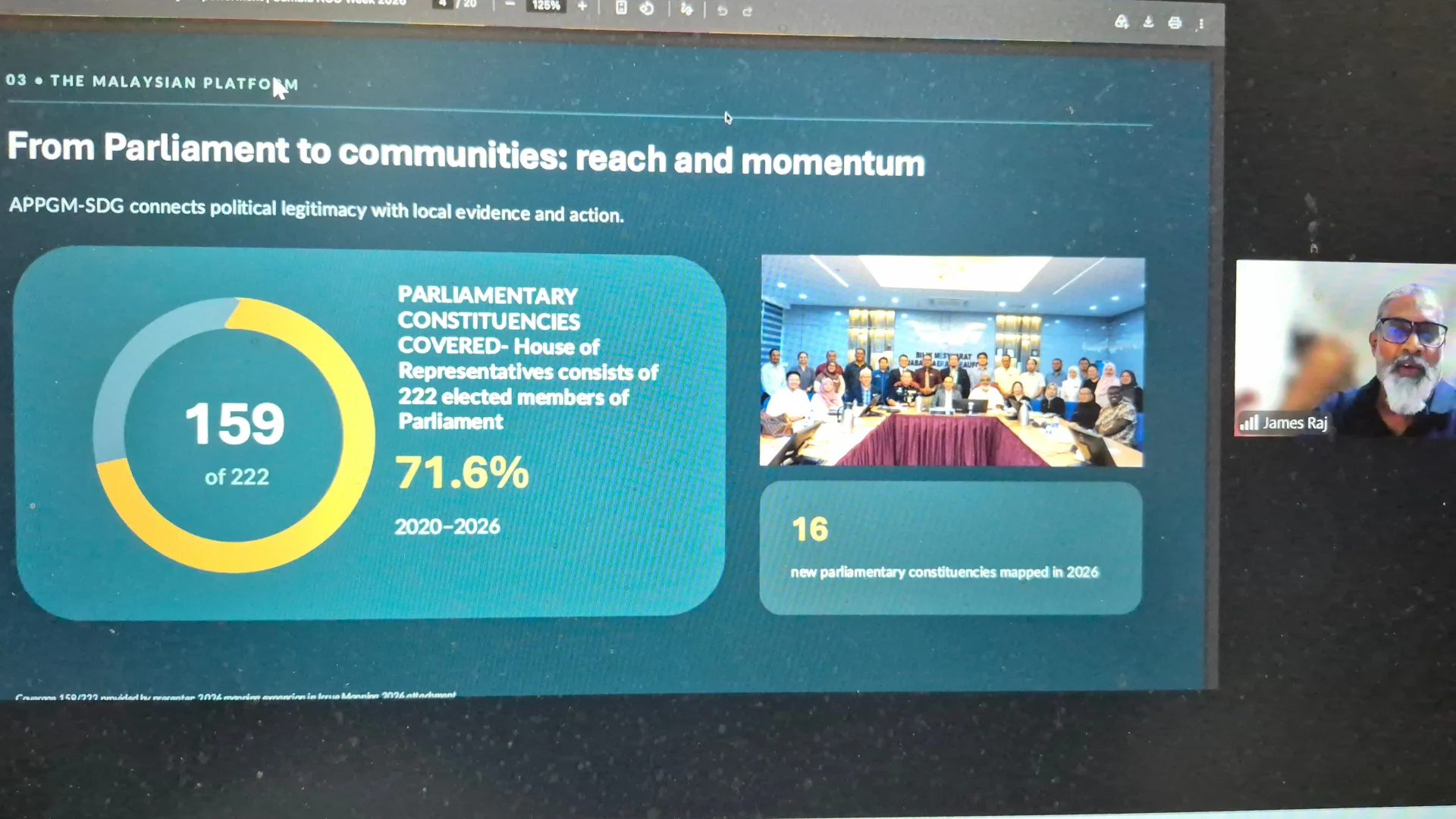
Between 2020 and 2026, APPGM-SDG expanded its engagement to 159 of Malaysia’s 222 parliamentary constituencies, representing 71.6% national constituency coverage. The presentation also highlighted 1,587 community SDG micro-projects and the importance of developing long-term institutional mechanisms rather than relying on isolated short-term interventions.
A central message was that SDG localisation must begin by listening to communities and understanding their lived realities before designing development interventions.
Mr James Ryan Raj, Deputy Executive Director of APPGM-SDG, stressed stakeholder mobilisation as the foundation of effective SDG localisation.
His presentation highlighted four principal actors: parliamentarians, government servants, local communities and solution providers. Each plays a distinctive yet complementary role in addressing development challenges.
Parliamentarians provide political leadership, institutional legitimacy and policy advocacy. Government agencies contribute technical knowledge, public resources and administrative solutions. Communities identify priorities and participate in designing responses, while solution providers bring expertise, innovation and implementation capacity.
Drawing on Malaysian field experiences, he illustrated how community mapping, grassroots participation, capacity building and district-level SDG committees can translate identified needs into practical solutions.
Examples included community food security initiatives, youth development programmes and interventions addressing administrative and structural barriers affecting vulnerable communities.
He also highlighted the importance of strengthening civil society sustainability through cooperative initiatives such as KOP SDG, which seeks to support community livelihoods, economic participation and greater local ownership.
The presentation reinforced a significant lesson: localising the SDGs is not simply about implementing projects; it is about building relationships, strengthening institutions and creating shared responsibility for sustainable development.
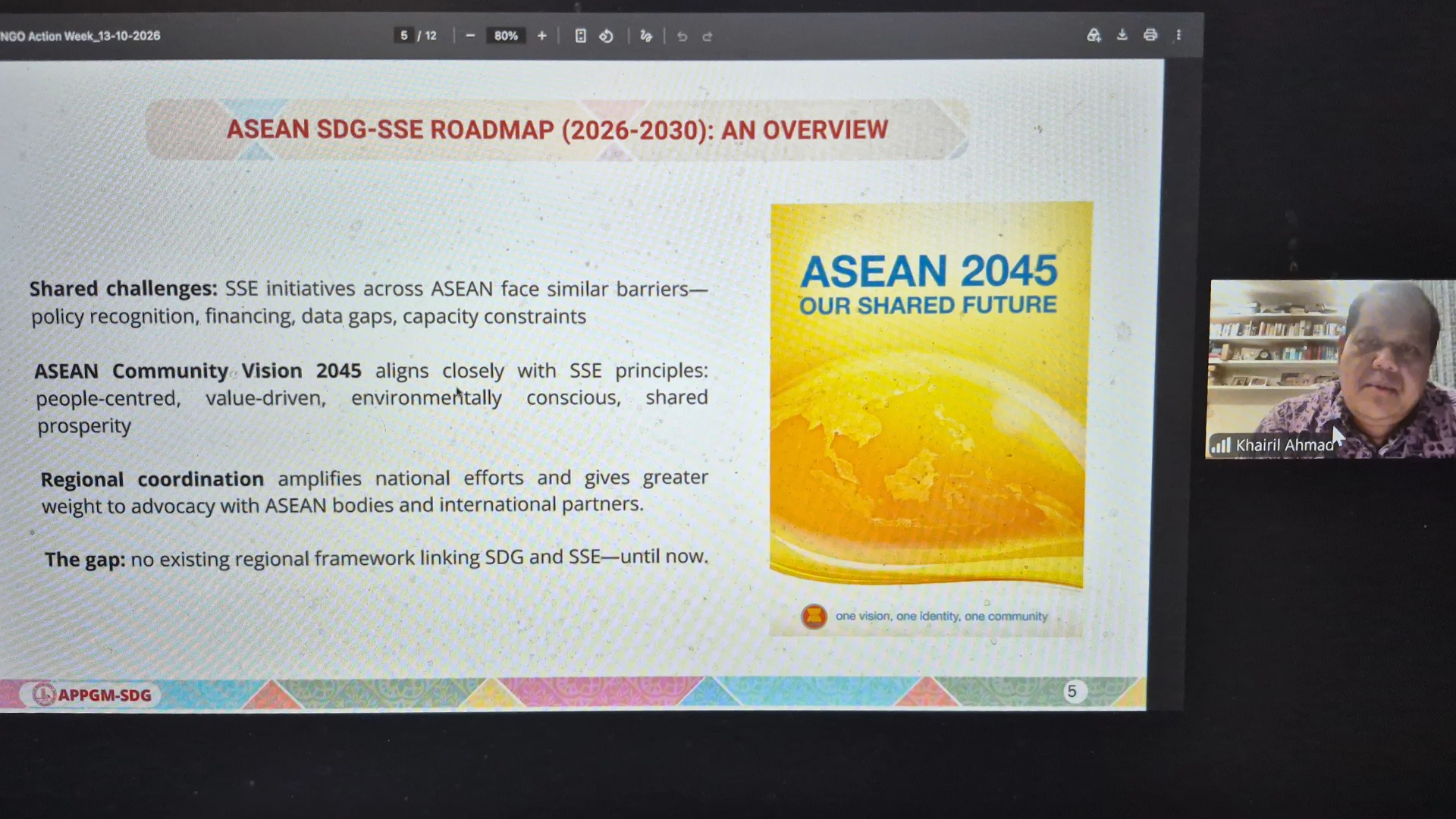
Dr Khairil Ahmad, Director of the Centre for Social Inclusion, presented the ASEAN SDG-SSE Roadmap 2026–2030 as an example of extending national experiences into regional cooperation.
He outlined how social enterprises, cooperatives, community organisations and civil society networks can contribute to inclusive economic development through social and solidarity economy principles.
The roadmap provides a regional framework for strengthening partnerships, developing community-generated data, improving financing and capacity building, and advancing policy recognition of the solidarity economy.
His presentation demonstrated the potential for countries to move beyond individual national initiatives towards regional learning, collective advocacy and shared development frameworks.
Discussion Highlights Opportunities for International Collaboration
The question-and-answer session was moderated by Kon Onn Sein, a founding member of the APPGM-SDG Secretariat and the Society for the Promotion of SDGs, who participated in person in The Gambia.
Two important questions emerged from the discussion.
The first concerned opportunities for collaboration with APPGM-SDG to learn from Malaysia’s SDG localisation model, particularly its approaches to stakeholder mobilisation, community mapping, institutional partnerships and grassroots interventions.
The second explored the possibility of establishing a shared platform or application through which countries could exchange SDG localisation models, document lessons, share community solutions and jointly monitor progress towards the 2030 Agenda.
These questions reflected growing interest in practical South-South cooperation and the potential for an international knowledge-sharing and SDG tracking mechanism rooted in community-generated evidence.
Although exploratory, the proposals highlighted possibilities for future partnerships, technical exchanges and collaborative monitoring among civil society organisations and development institutions.
Lessons for the Global SDG Movement
Malaysia’s experience offers several important lessons for countries seeking to accelerate sustainable development.
First, effective localisation must begin with communities rather than predetermined development programmes. Second, multi-stakeholder collaboration enables institutions to combine their resources and expertise. Third, bipartisan parliamentary support can help sustain development priorities beyond political differences.
Fourth, community interventions must be connected to institutional reforms and policy advocacy to address underlying structural challenges. Finally, sustainable localisation requires continuous monitoring, community ownership, capacity building and opportunities for cross-country learning.
The Gambia session demonstrated that meaningful international partnerships are built not merely through exchanging successful projects, but through sharing institutional experiences, implementation challenges and evidence of what works.
As the international community approaches the final years of the 2030 Agenda, the Malaysian experience reinforces a fundamental message: the SDGs can only be achieved when global commitments are translated into locally owned solutions, supported by accountable institutions and empowered communities.
The exchange provides a promising foundation for further cooperation between APPGM-SDG, Gambian civil society organisations and international partners in advancing inclusive, people-centred and sustainable development.
15 October 2026