
Moving from relief to development ensuring sustainable global action:
A day at the UN following the discussions & deliberations
(June 16, 2026, UN-HQ-NYC)
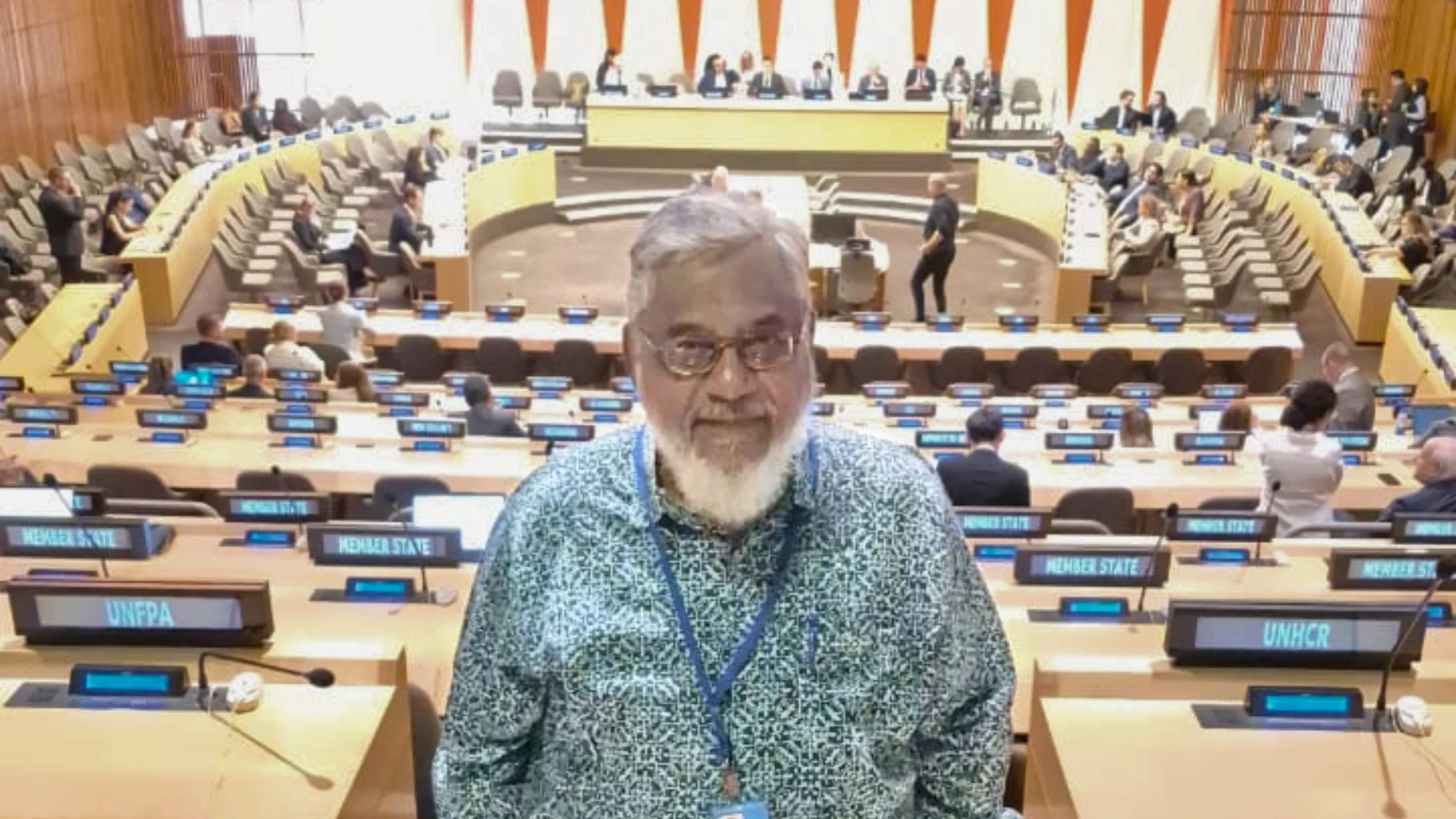
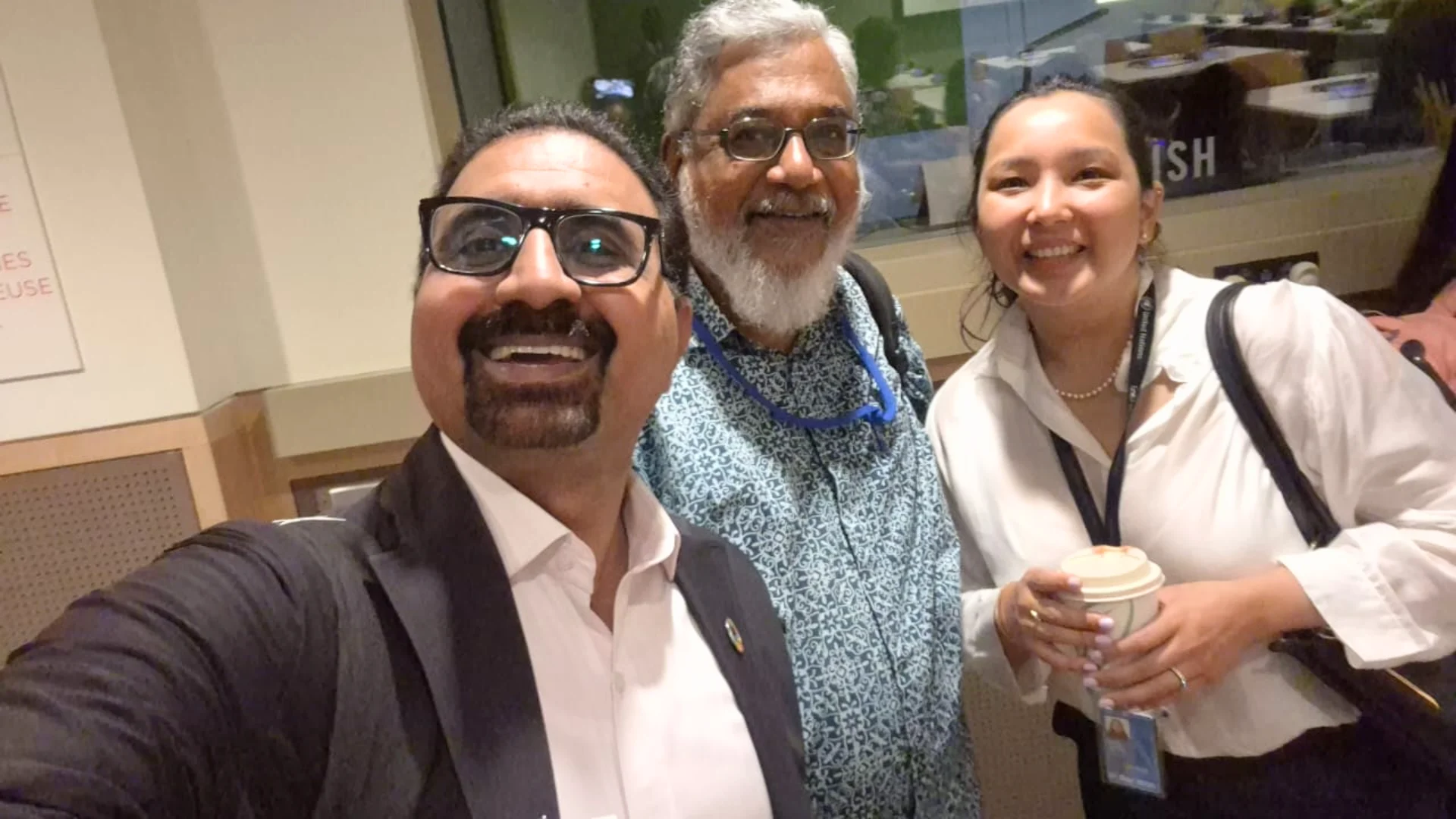
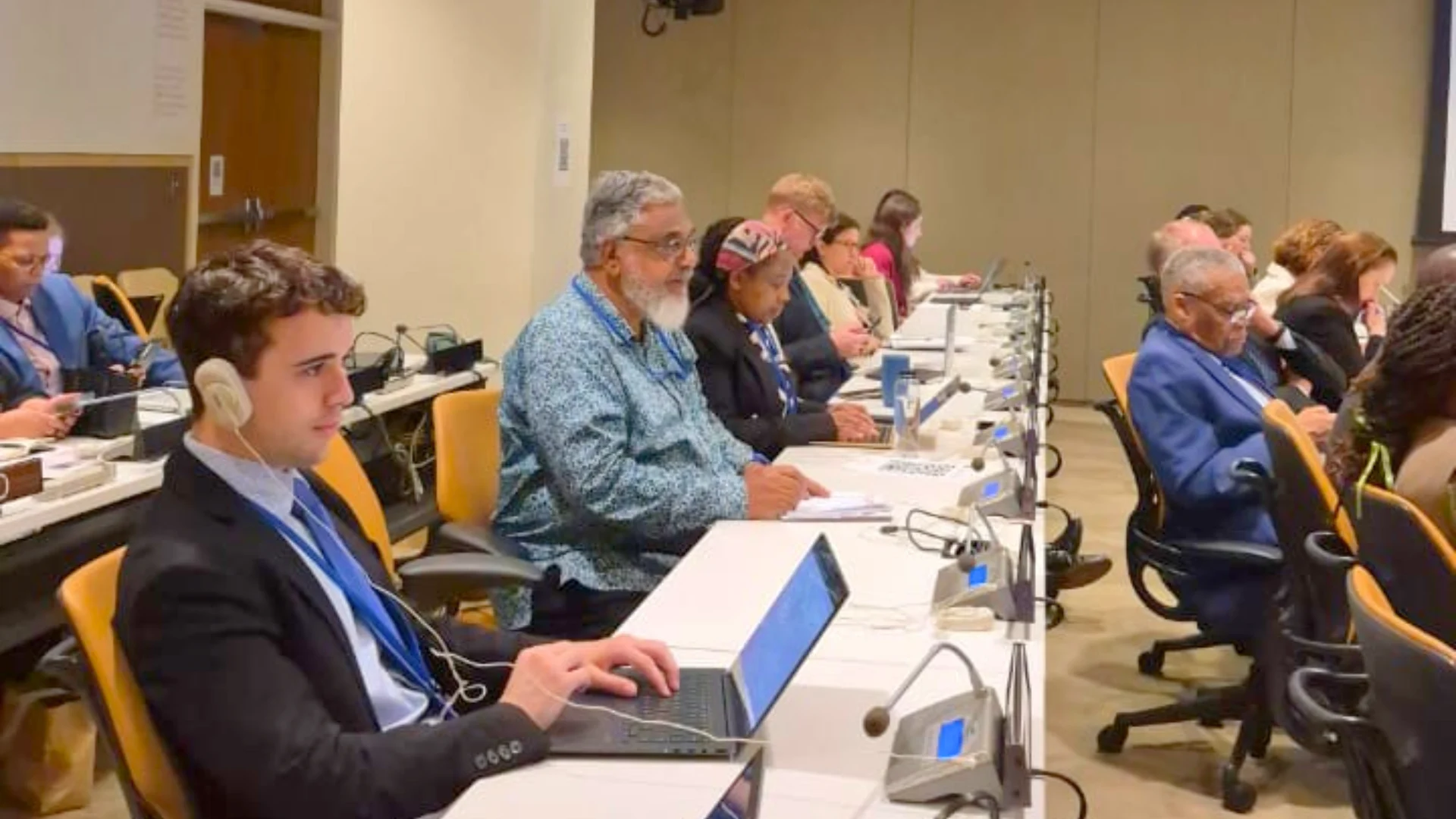
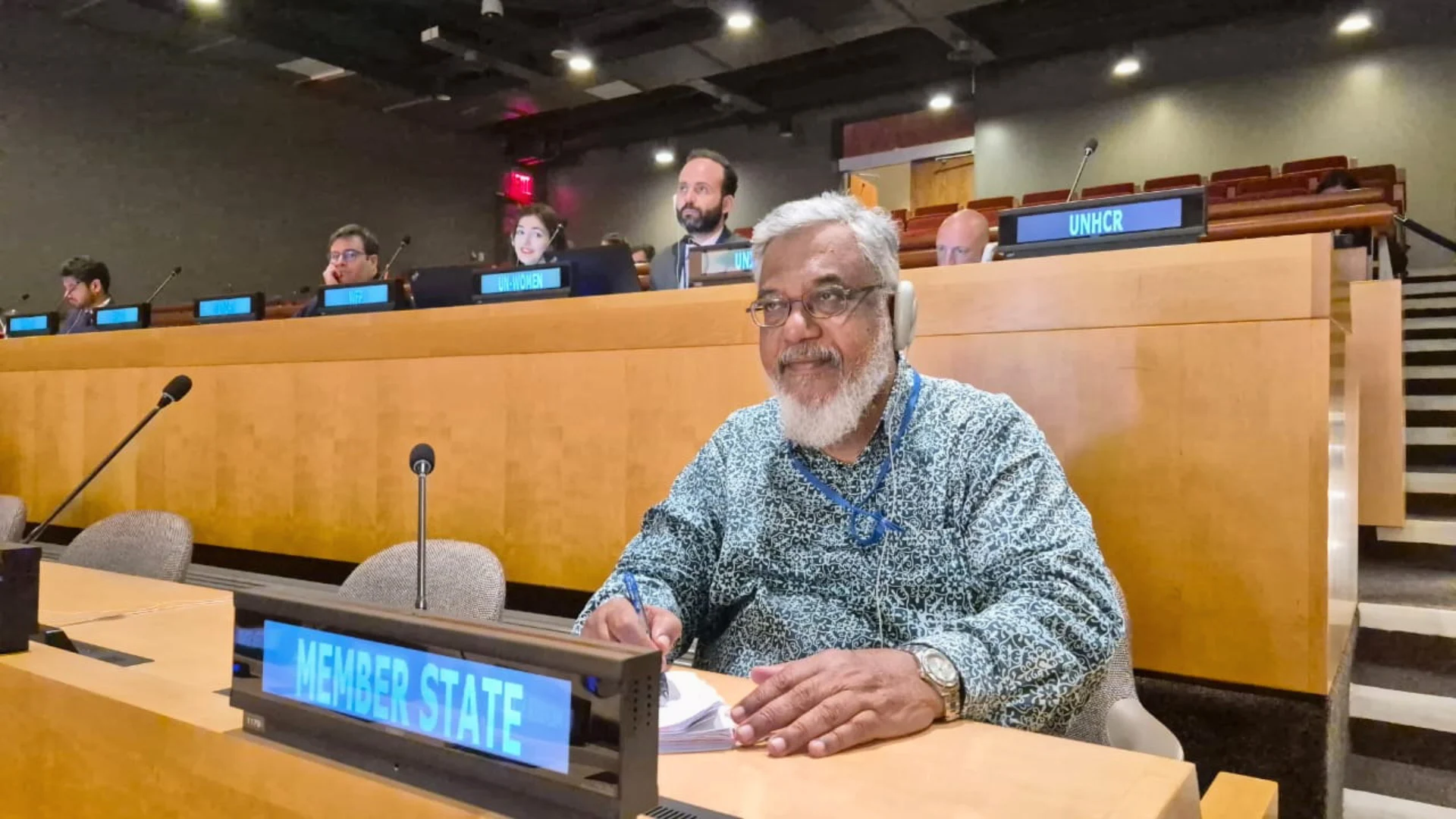
I had the privilege to follow several discussions on Monday June 16, 2026 at the United Nations (UN). I am visiting New York city on a family matter and could not resist visiting the UN to hear the discussions among world leaders and also meet some friends.
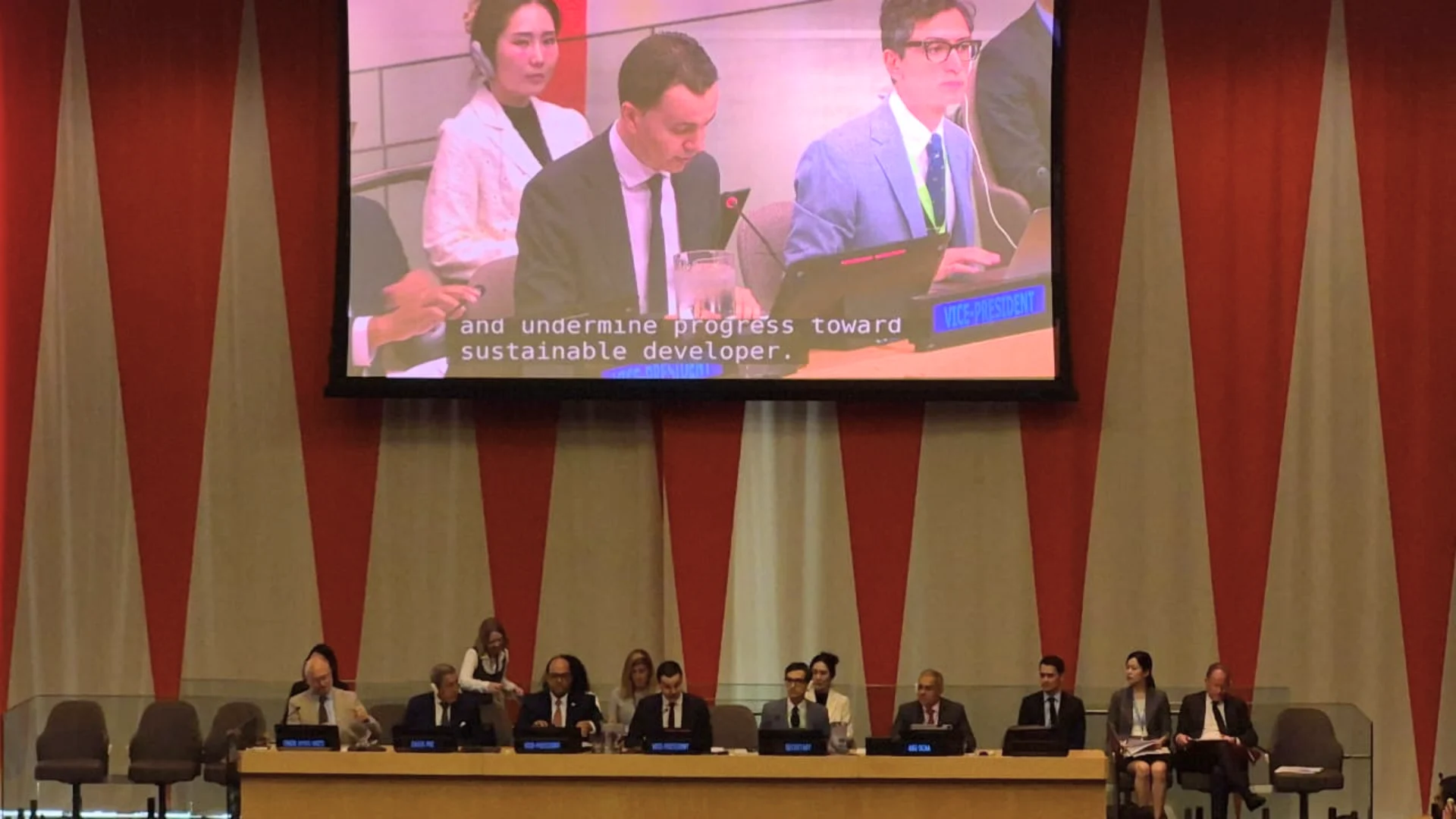
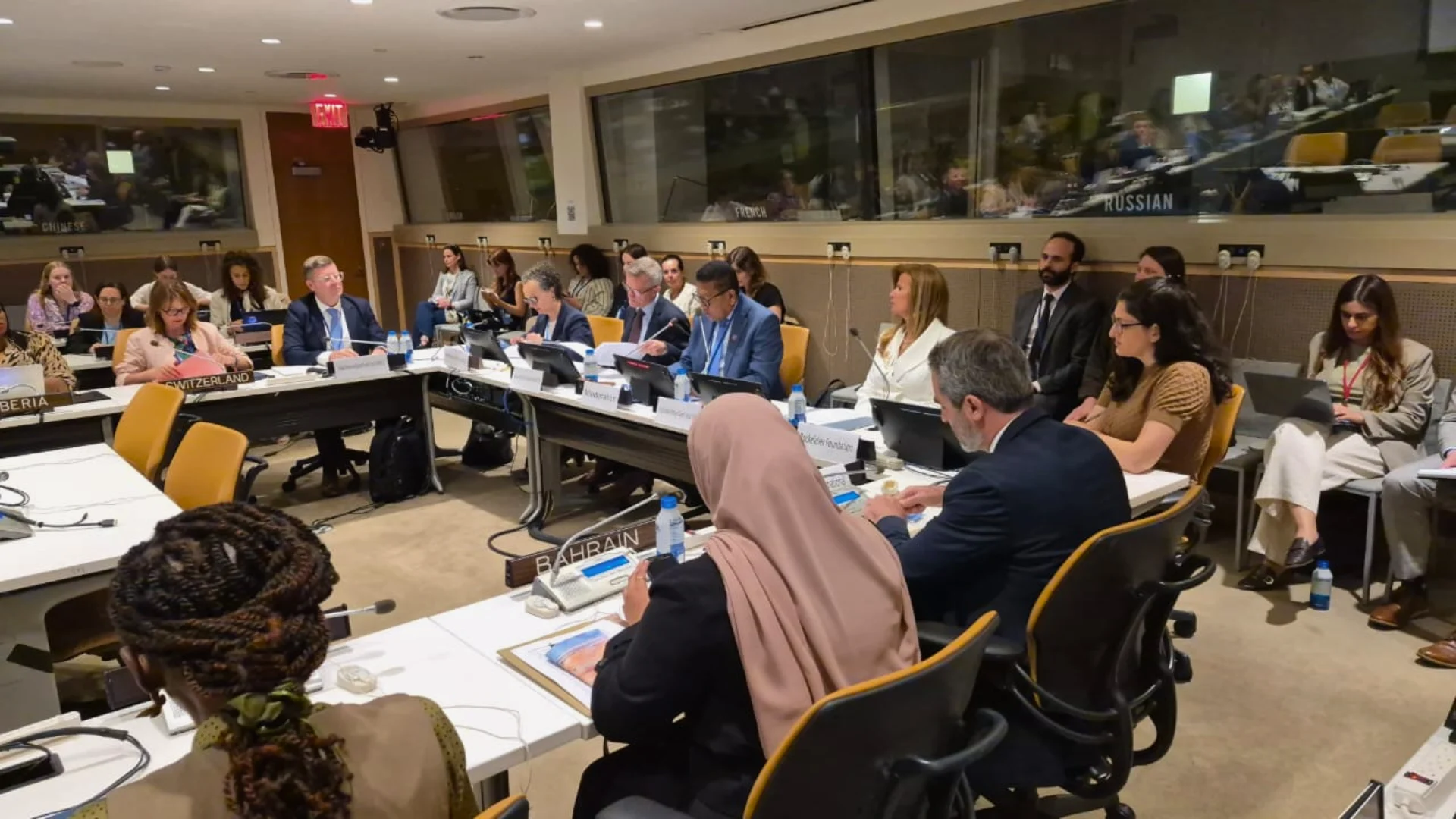
The First discussion participated: The 2026 UN Economic and Social Council (ECOSOC) Meeting on the Transition from Relief to Development takes place in New York on June 16, 2026. Joined them most of the morning especially the opening and the early part of the panel 1 presentations. I also plan to join the meetings on June18 and 19, 2026.
The focus of these sessions was to bridge immediate crisis response (relief) with long-term, sustainable poverty eradication (development). The panel speakers focused on how to bring crisis response in a more sustainable way including how to sustain political commitment and also the need for durable solutions. Most critical highlighted is the financing for development. The call is for greater collaboration, cooperation, sharing of data and analysis. It was also pointed out that people participation was key including national and community led initiatives. Some highlighted the need for strengthening local capacities.
Watch the video on the event:
For more details review the https://www.unocha.org/ecosoc-2026 as well as read the program details attached: -Draft Programme:- 2026 ECOSOC Meeting on the Transition from Relief to Development.
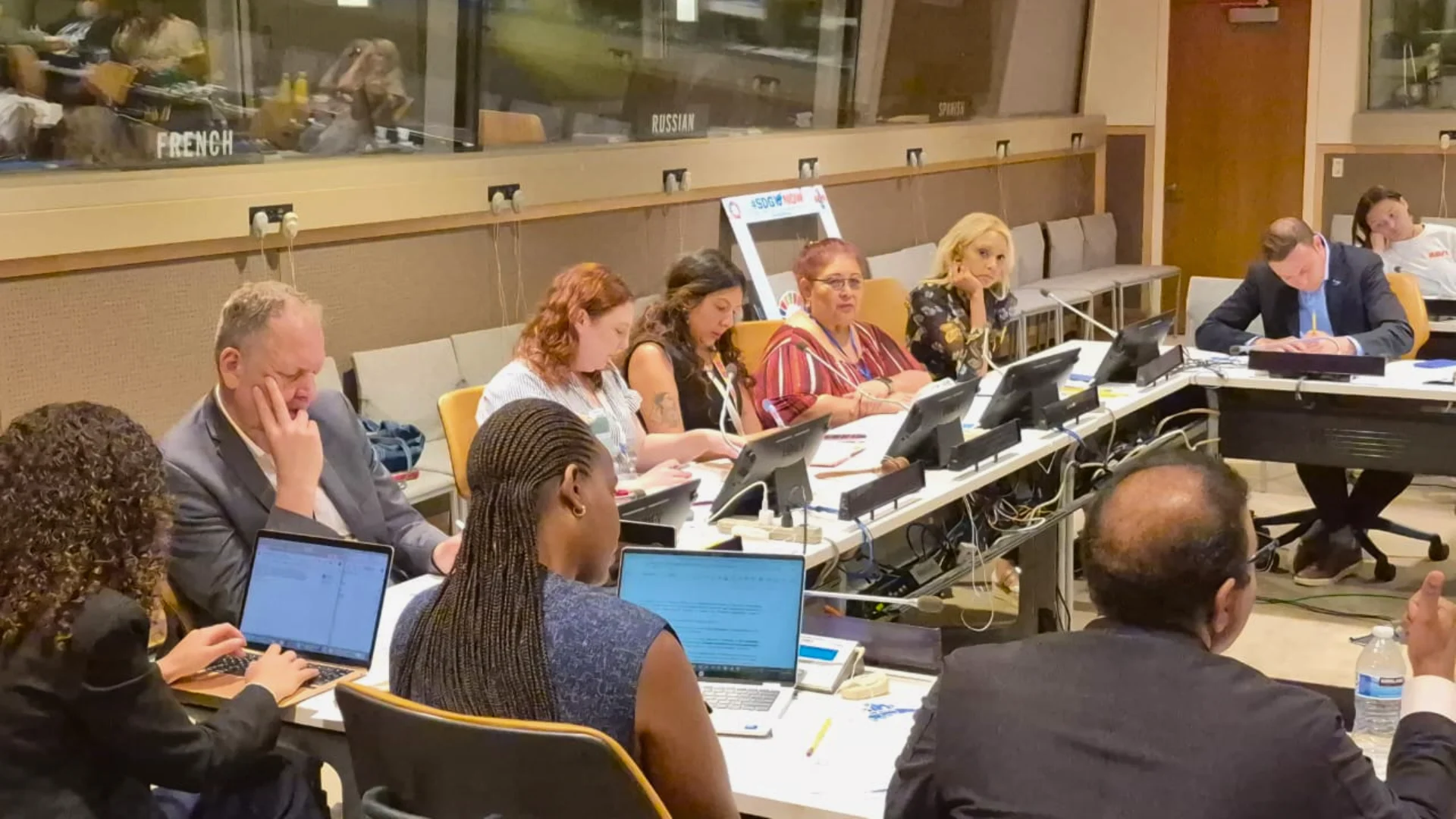
The Second discussion participated during the late morning and early afternoon was Civil Society Forum on SDG 16. This discussion serve a prelude to the main SDG 16 Conference (June 17, 2026), the forum gathered non-governmental organizations to review global progress on peace and justice.
One of the main highlights was the discussion on the 2026 Civil Society Declaration and the finalising of this document. The declaration which is an advocacy document highlighted that the SDGs are falling behind and urged world leaders to take immediate action. The discussion focused on five key areas namely strengthening civic space, economic justice, people-centred justice, peacebuilding, and human rights/inclusion.
Read the attached CSO Declaration:
Read the CSO Program (June 16 at the UN in NYC):-
The Third discussion participated was a side event From Global Reform to Local Leadership. This was held during the lunch break. The panel focused on combating global food insecurity and malnutrition by bridging the gap between multilateral reforms and grassroots action, with an emphasis on shifting resources to local responders. Key topics included the “Humanitarian Reset” for faster aid and reforming international finance for sustainable development. The call was for proactive actions and the need to change the operating model for greater efficiency and impact.
Watch the video:
Review the program and poster on global reform and local leadership
My main take aways:
These discussions seek to give the space for exchange of ideas, sharing of best practices, address global risk and challenges. Most meaningful is the global solidarity in collaborative action in building a better world for all.
However I also feel they were not asking or discussing the critical challenges faced by
- the position of some governments and their lack of commitment to UN standards,
- the internal governance issues such as corruption and the curtaining of democratic freedoms of journalistic and civil society and even their parliament in holding them in check and
- the negative effect of big global business entities not complying to good governance and ESG commitments.
Despite this the UN serves as a useful platform and vehicle to enhance global cooperation and in ensuring no one is left behind.
Denison Jayasooria
(New York City, June 17, 2026)
RIPESS takes part in the launch of the Group of Friends on the Social and Solidarity Economy in Geneva