
Regional Workshop on Climate–Health Governance and Cooperation in South and Southeast Asia
22–23 June 2026
At a regional workshop convening health officials from ten South and Southeast Asian countries, APPGM-SDG presented the view that the Social and Solidarity Economy is not merely adjacent to climate & health governance but is one of its most practical instruments.
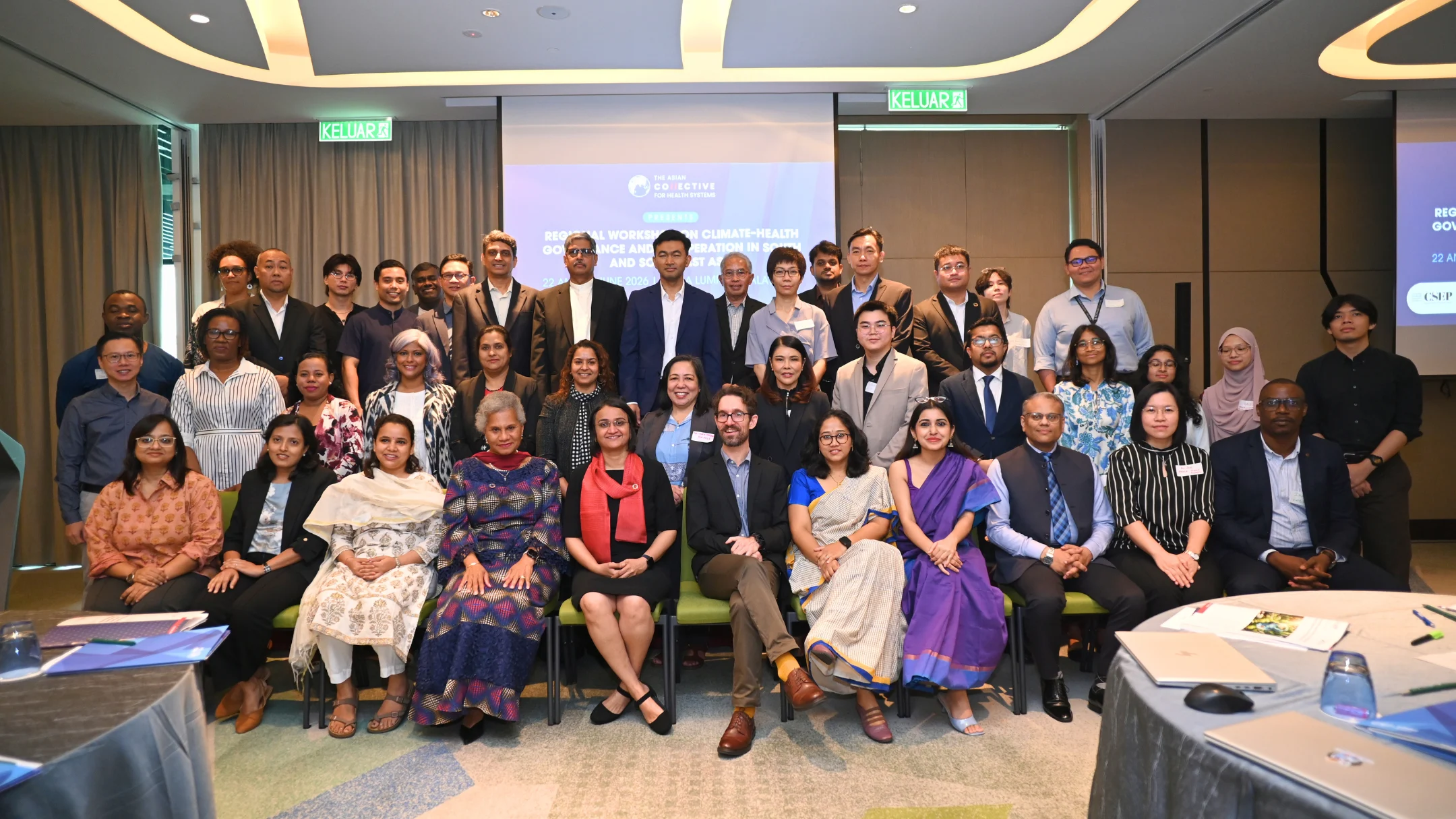
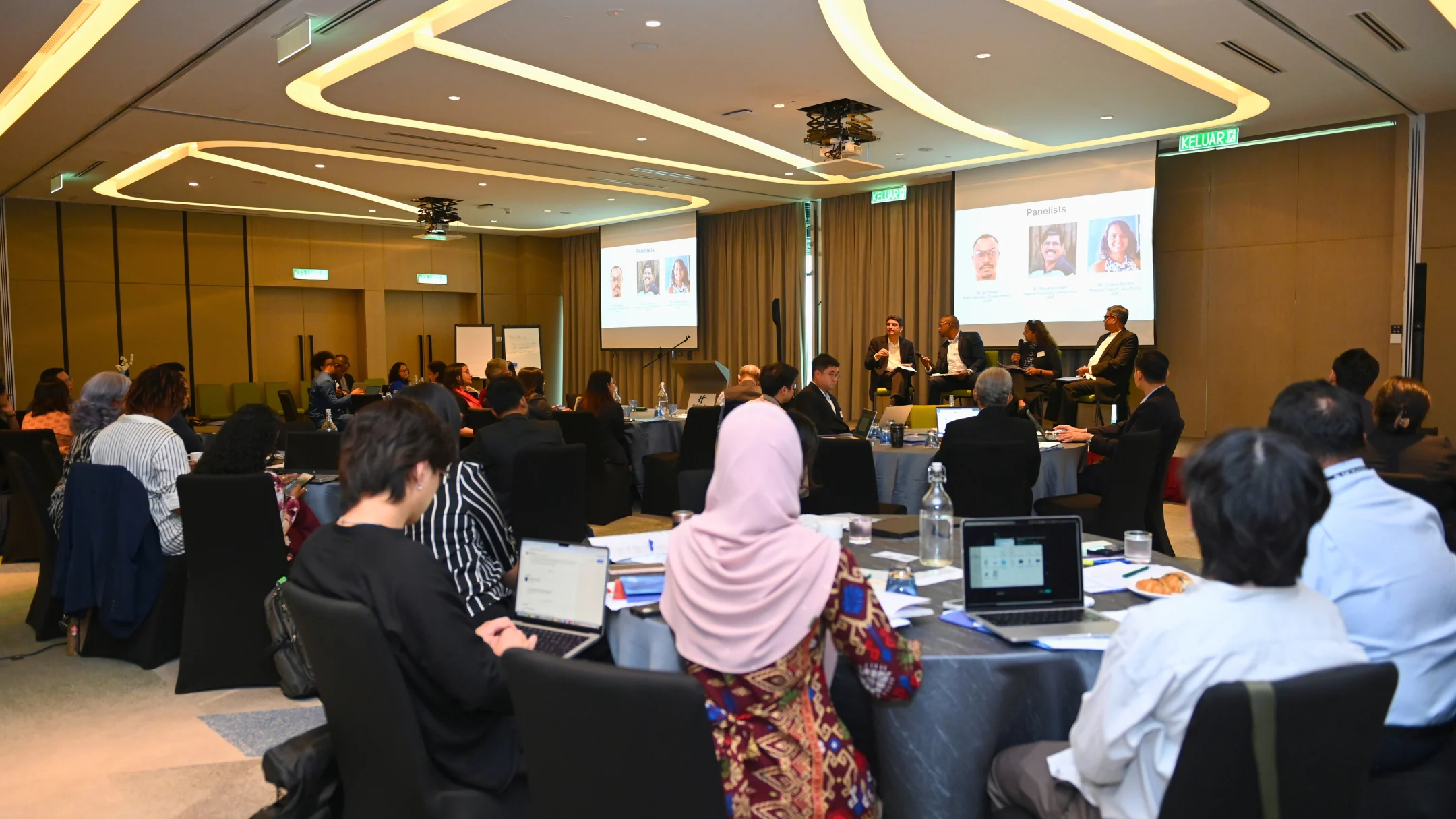
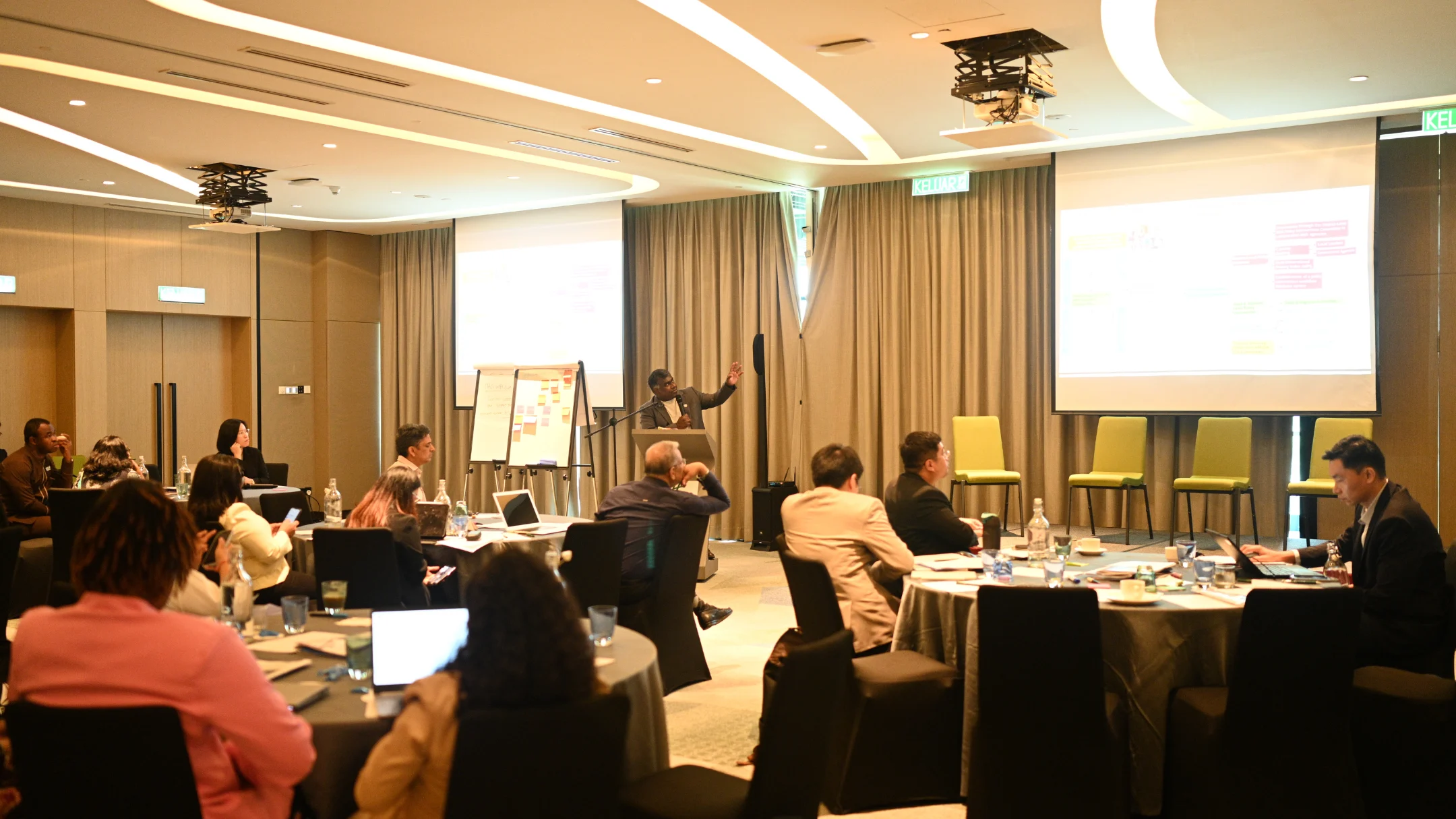
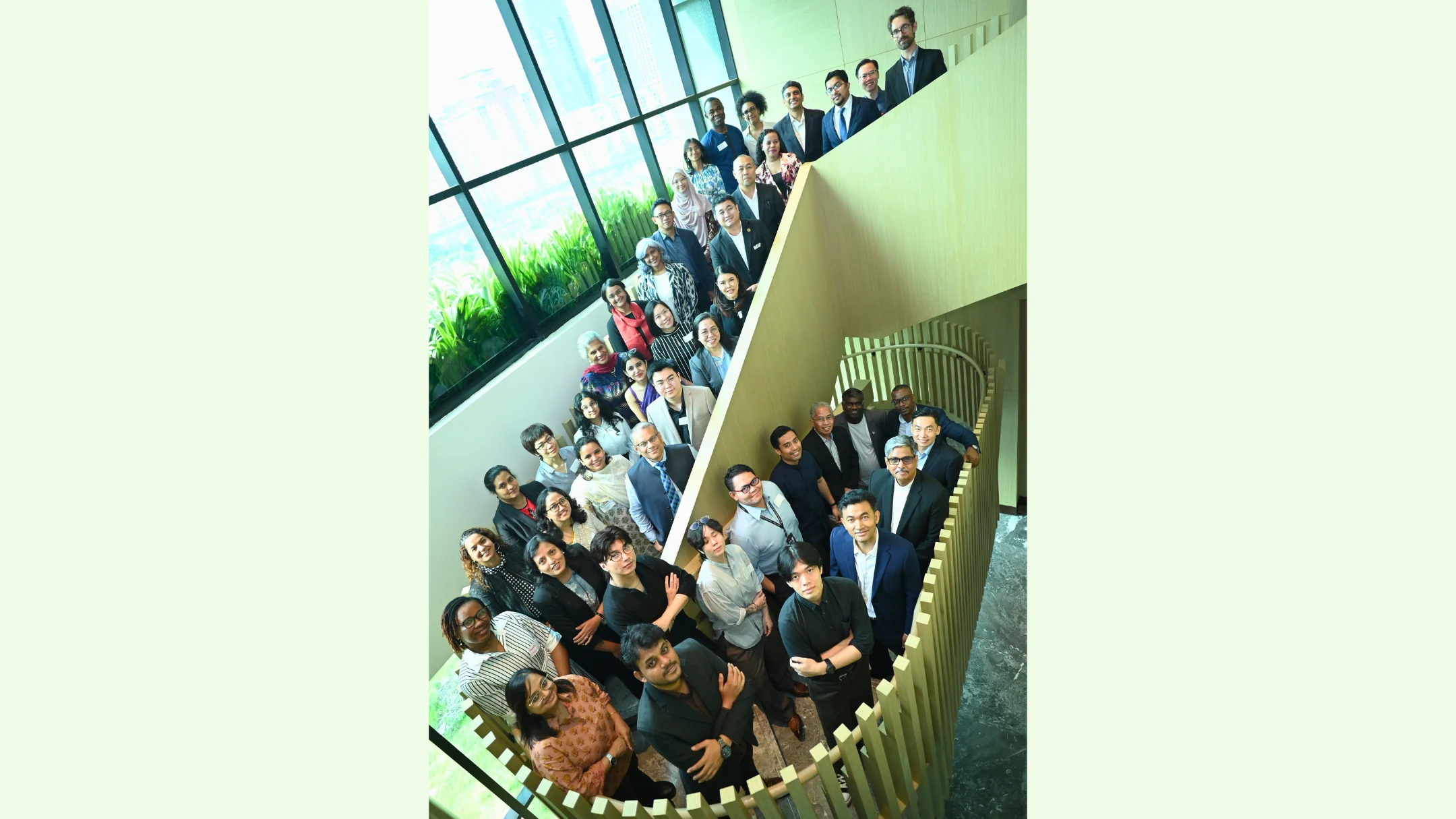
The Regional Workshop on Climate & Health Governance and Cooperation in South and Southeast Asia — jointly organised by The Asian Collective for Health Systems, Sunway Centre for Planetary Health, and partner institutions brought together government health officials from ten countries, UN agencies, universities, and civil society organisations for two days of knowledge exchange on transformative governance, financing models, service delivery, health equity, and community engagement.
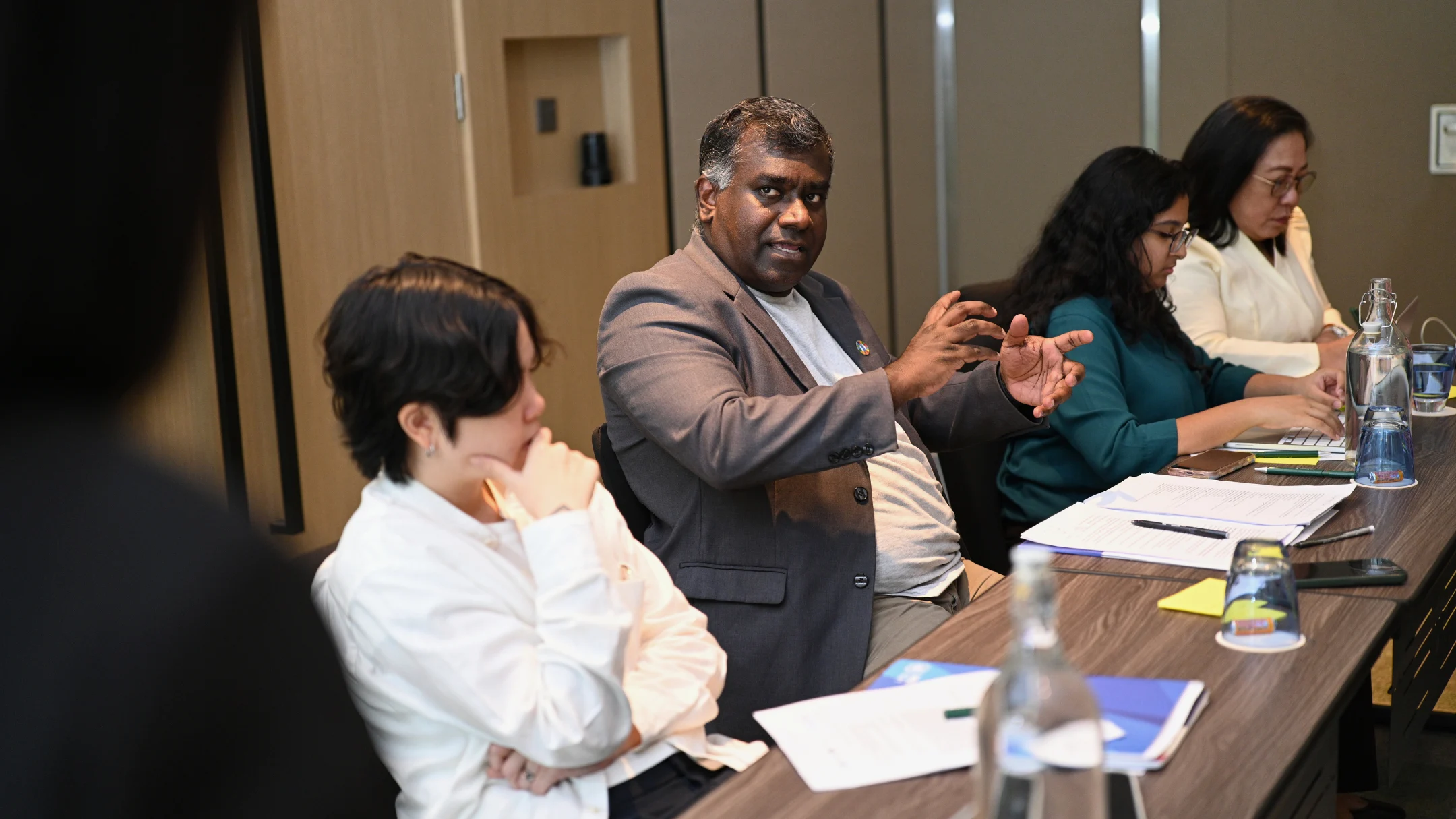
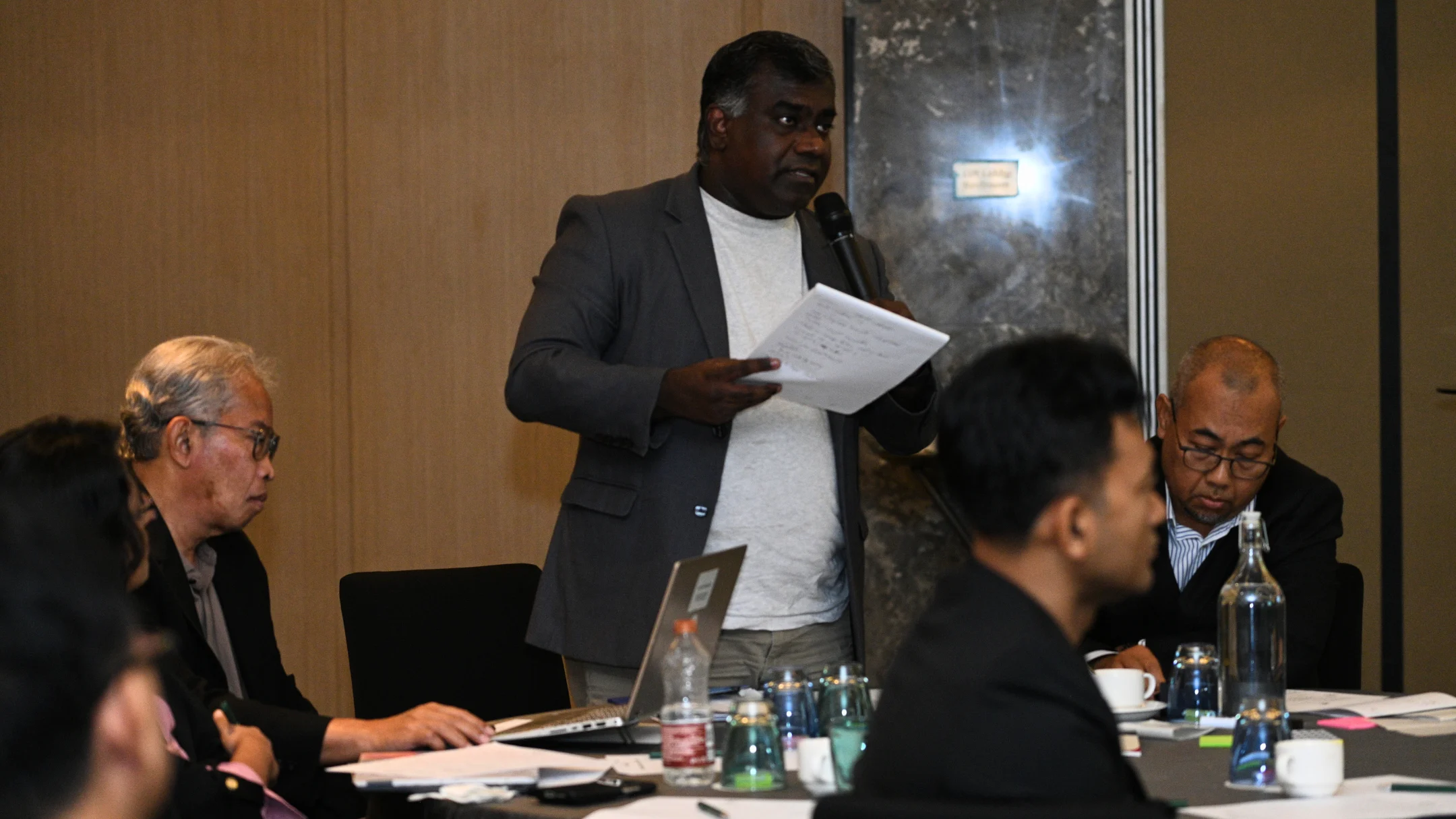
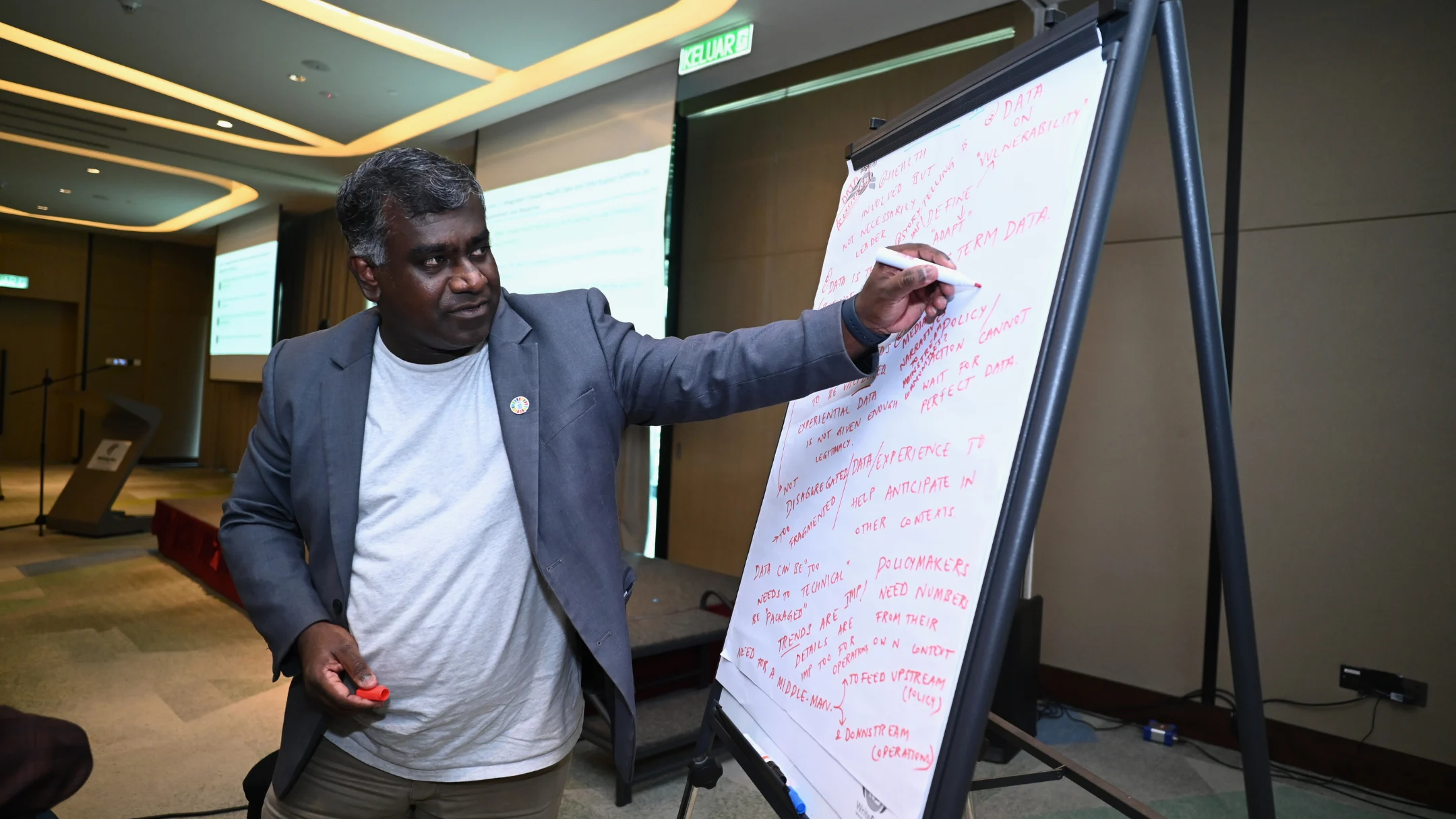
Representing APPGM-SDG (the All-Party Parliamentary Group Malaysia on Sustainable Development Goals), Paniirselvam Jayaraman, Director of the Policy Solutions Department, presented Malaysia’s experience with participatory, bottom-up policymaking. In the presentation, he made a deliberate intervention: placing the Social and Solidarity Economy (SSE) framework at the centre of the climate–health conversation.
Responsible Production and Consumption as Climate–Health Policy
In his presentation, Paniirselvam explained how the social economy offers a fundamentally different logic of economic activity, organised around people, communities, and the planet rather than around extraction and externalised harm. Where conventional production and consumption patterns drive the very vulnerabilities, the workshop set out to address, the waste mismanagement, heat stress, food insecurity as well as health inequity which the SSE enterprises internalise responsibility by fundamentals & design.
Responsible production and consumption, he argued, is where climate action and health protection converge. Community-owned enterprises that produce locally, minimise waste, and circulate wealth within the community reduce environmental harm while strengthening the social determinants of health. In this framing, SSE is not a welfare but an addition to climate & health governance; it is a delivery mechanism for it.
A notable mention was the forest management, audit & monitoring initiative in Nepal, called Community Forest Use Groups (CFUGs), that was mandated to the forest peoples in Nepal. Dr. Bhola Bhattarai, researcher & activist who is part of this SSE movement, has done detailed research on its effectiveness. Such stewardship is the foundation of participatory climate policymaking and action setting.
Case Study: The Taman Dato Harun Sanitary Pad Project, Petaling Jaya, Malaysia
The centrepiece of the SSE argument was a concrete case: the washable and reusable sanitary pad production project led by the Taman Dato Harun Women Community. The project is a joint initiative that demonstrates what happens when a community identifies its own need, organises its own production, and retains its own value.
The project was presented as an effective case study across three dimensions that sit at the heart of the SSE agenda:
- Social Economy in Practice
Community-organised production rooted in solidarity, meeting a real need — menstrual health — with dignity and affordability. - Community Collective Wealth Creation
Income and skills generated stay within the community, building shared economic capacity rather than extracting it. - Community-Based Climate Action
Washable, reusable products displace single-use waste — a micro solution with genuine climate and waste-reduction impact.
Participatory Policy-Making as the Enabling Environment
The SSE case was presented within APPGM-SDG’s wider account of its participatory policy model — the structures that make community-led economic action possible and connect it upward to national policy:
- A multi-stakeholder, bottom-up policy-making model built on APPGM-SDG’s 5-Tier Policy Solutions Approach — channelling community realities into parliamentary and ministerial deliberation.
- A community engagement model — making community leaders genuine partners in policy-making, rather than subjects of consultation.
- Micro solutions championed by communities — climate-resilient and eco-friendly innovations, of which the Taman Dato Harun project is a leading example.
Where SSE Meets the Workshop’s Way Forward
The workshop’s emerging consensus aligned strikingly with SSE principles. Across two days, participants converged on the need for participatory governance with multi-stakeholder involvement, community co-development of climate solutions, building social workers as eco-warriors, and pursuing micro solutions for macro impact. Discussions on climate co-financing, health equity, and nature-based solutions likewise point toward economic models that distribute both responsibility and benefit.
Country presentations reinforced the point. The Philippines’ “bibingka model” — integrating local government into national climate policy and funds — and Bangladesh’s integrated climate budget across 25 ministries both illustrate the institutional architecture within which community-scale solidarity economy initiatives can be financed and scaled.
SSE as Regional Climate–Health Infrastructure
APPGM-SDG’s intervention has placed a marker in the regional dialogue that the Social and Solidarity Economy belongs in the core toolkit of climate–health governance in Asia. When communities own the means of producing resilience — whether reusable sanitary pads, climate-resilient farming, or local circular enterprises — the region gains climate action that is durable, equitable, and health-protective by design.
For the SSE movement across Asia, the workshop signals a widening opening: governments and regional institutions are actively seeking governance models that are participatory, community-anchored, and economically regenerative. The solidarity economy is ready to answer & fit into the main framework of climate governance
Paniirselvam Jayaraman
Director, Policy Solutions, APPGM-SDG Secretariat
Membe, ASEC & SSE Practicioner
2 July 2026
Regional Workshop on Climate & Public Health