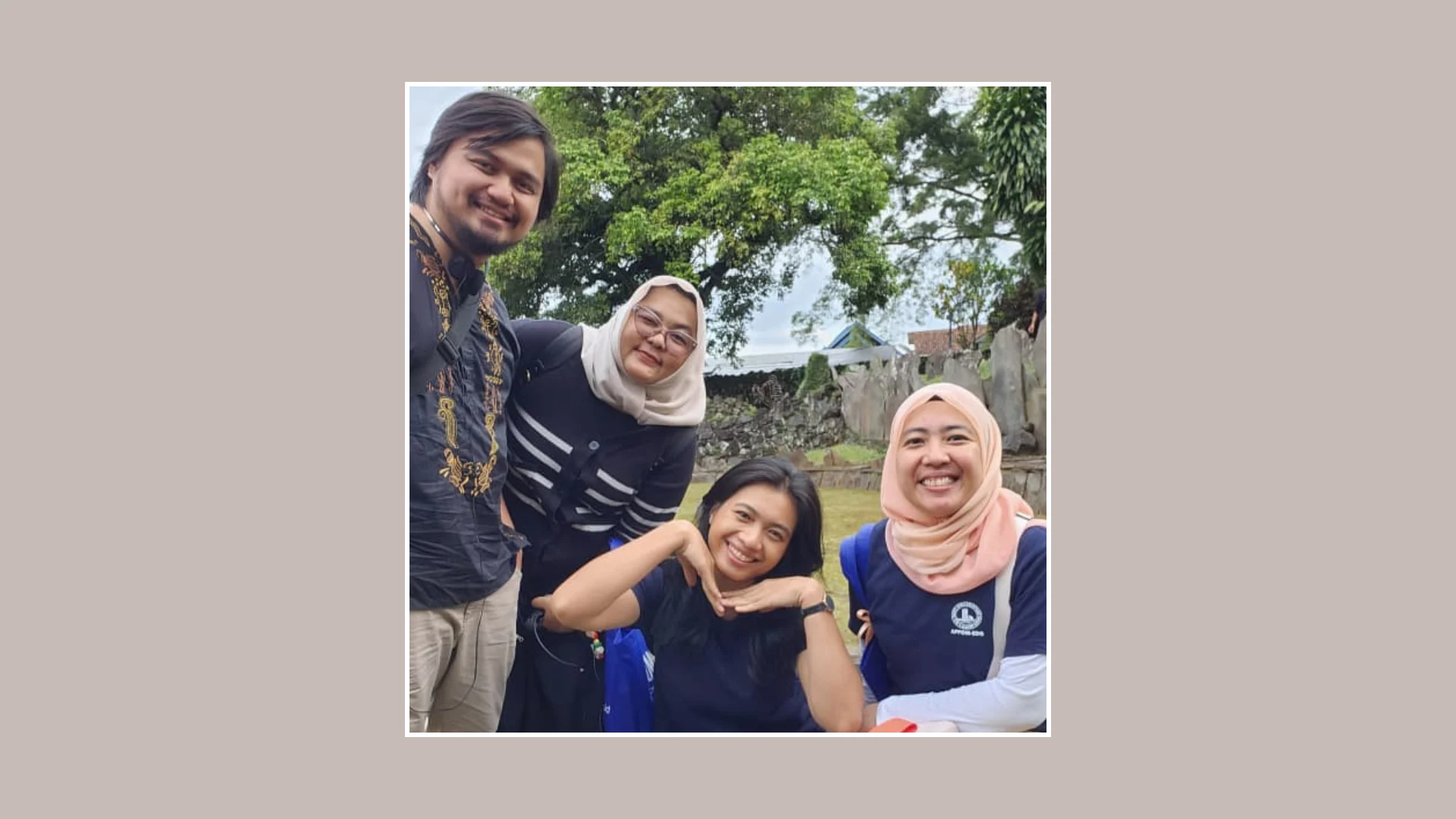

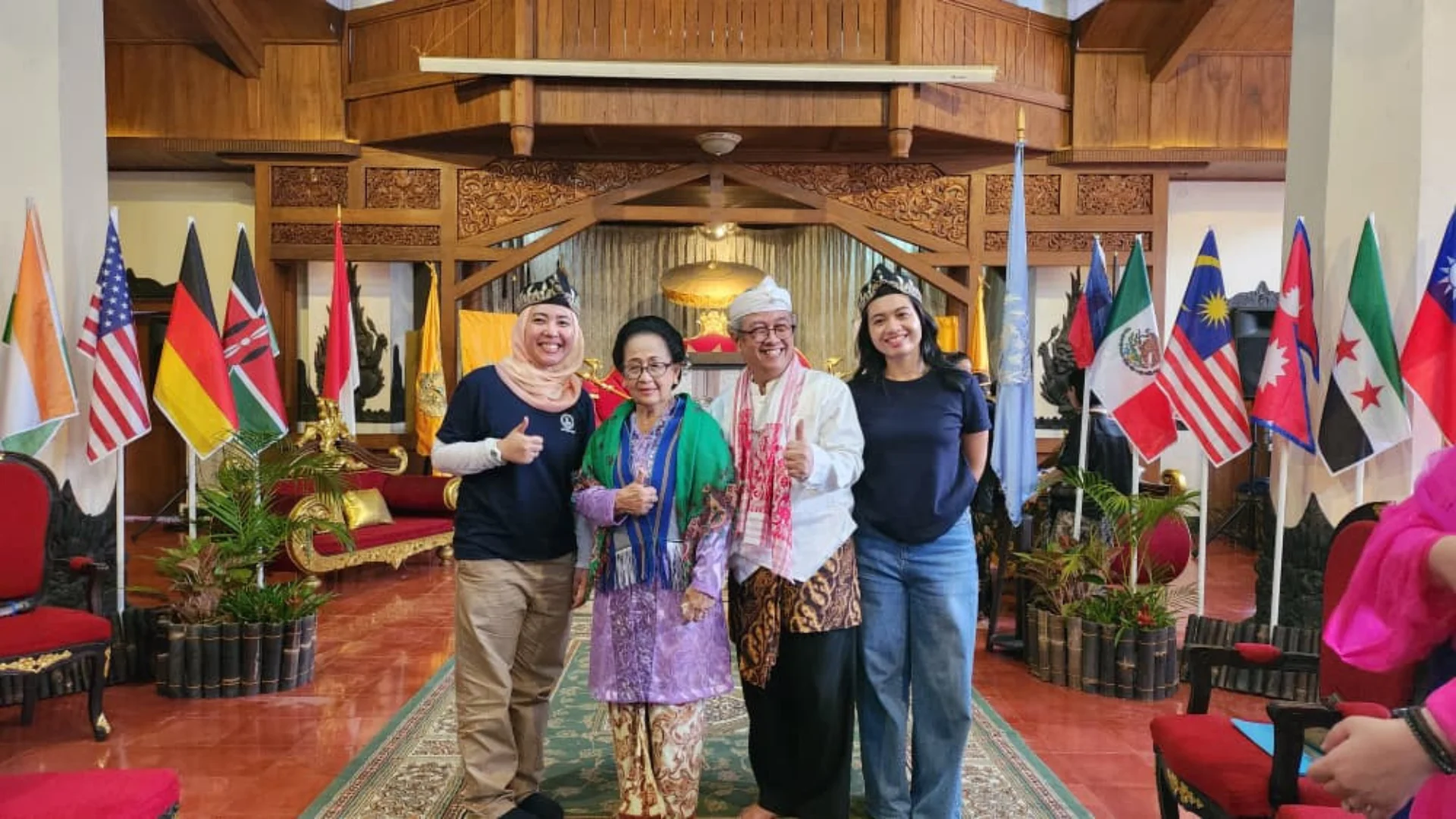
Hirzawati Atikah, Assistant Director for Communications with the All-party parliamentary group in Malaysia (APPGM-SDG) is in Bandung for the GTA assembly.
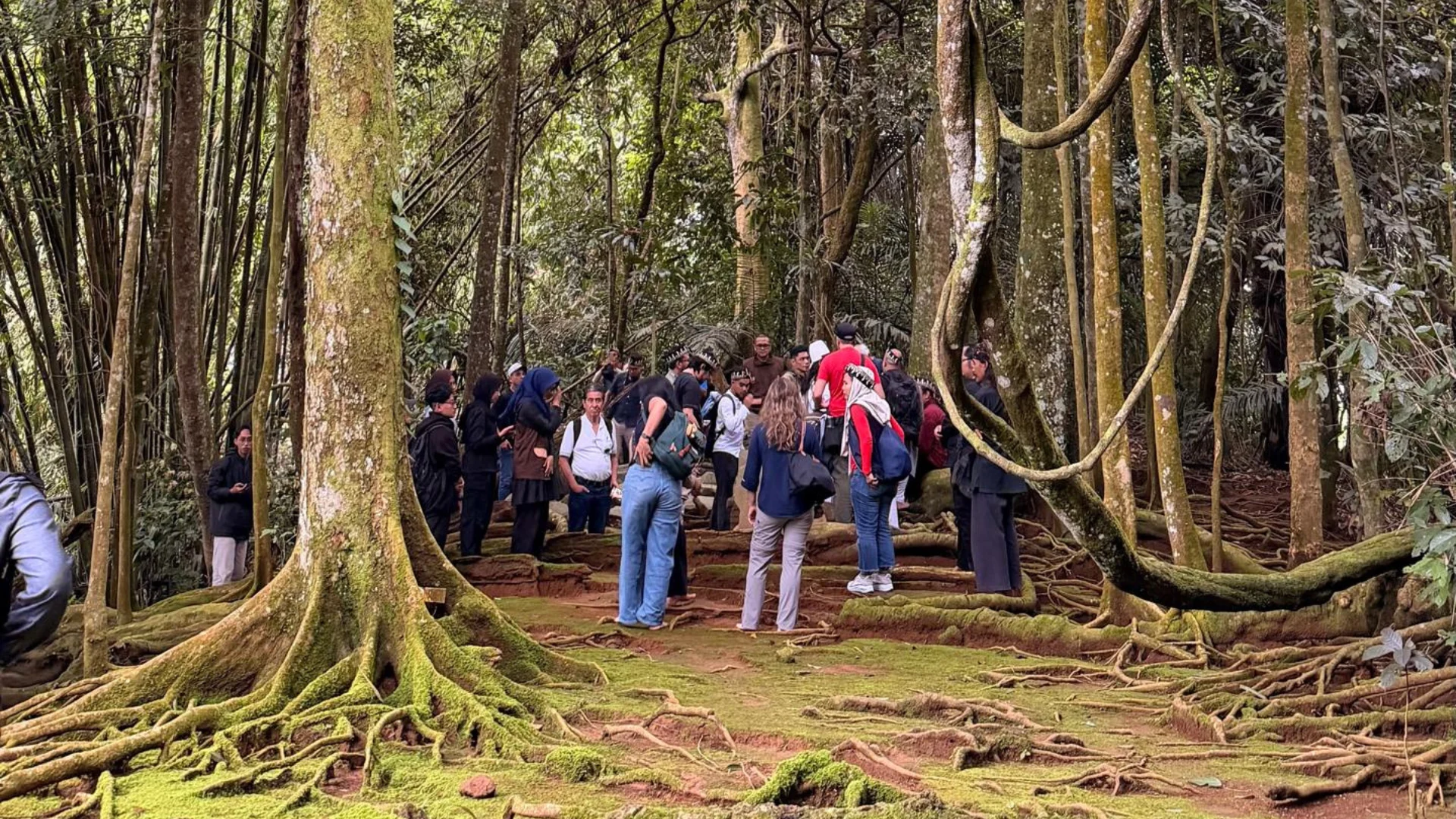
She joined participants for a field visit on day one (April 11, 2026). She is there representing ASEC on the invitation of Dr Eri Trinurini, the chair of ASEC.
The Global Tapestry of Alternatives (GTA) is a process launched in 2019 that seeks to create solidarity networks and strategic alliances among existing and emerging radical and transformative alternatives across local, regional, and global levels. GTA understands the current global context as one marked by intersecting crises: deepening inequalities, ecological destruction, climate change, social fragmentation, war, and dispossession. At the same time, it recognizes the growing presence of resistance movements and alternative ways of organizing life that challenge the dominant systems responsible for these crises. Rather than proposing a single solution, GTA is grounded in the idea of a pluriverse: many alternatives, rooted in different territories and histories, each unique yet connected by shared values and aspirations. GTA is not a centralized organization, a political party, or an advocacy NGO. It does not represent movements or speak on behalf of others. Instead, it functions as a space for connection, learning, collaboration, and solidarity among diverse alternatives.
This Assembly is hosted by Konfederasi Pergerakan Rakyat Indonesia (KPRI) together with the Southeast Asia weaver MASSA – Movement for Alternatives and Solidarity in South-East Asia. KPRI is a long-standing organisation rooted in labour, agrarian, women’s, and community struggles in Indonesia, with strong experience in people-centred organising and movement-building. MASSA is one of the GTA weavers and a vibrant regional formation working to build people-led alternative regionalism across Southeast Asia.
*Visit 1: Paseban Tri Panca Tunggal*
She participated in a field visit to Sunda Wiwitan community at Cigugur Kuningan, West Jawa. This place is known as a centre of Sundanese culture that still upholds ancestral customs (or ‘Madraism” or Agama Jawa Sunda) since 1848 amidst modernisation. The community is also a symbol of diversity, tolerance, and local wisdom at the foot of Mount Ciremai. Despite so, Sunda Wiwitan is not being recognised as one of the indigenous communities in Indonesia and still facing governmental and societal discrimination due to its different belief.
The community has been resisting forced labour, maintaining their agricultural culture and caring for the water, mountains, and environment. To this day, this community continues to fight alongside youth and community groups against geothermal projects that threaten their living space and ancestral land.
*Visit 2: Sagarahiang*
After having lunch at the Paseban, the group then visited Sagarahiang by van. Sagarahiang is an agro-tourism village in Darma District, Kuningan Regency, West Java, famous for its ancient historical sites, stunning natural scenery on the slopes of Mount Gegerhalang (at the foot of Mount Ciremai), and its nickname “Sea of the Gods.” Participants had to hike for about 10 minutes, barefoot, to respect the site.
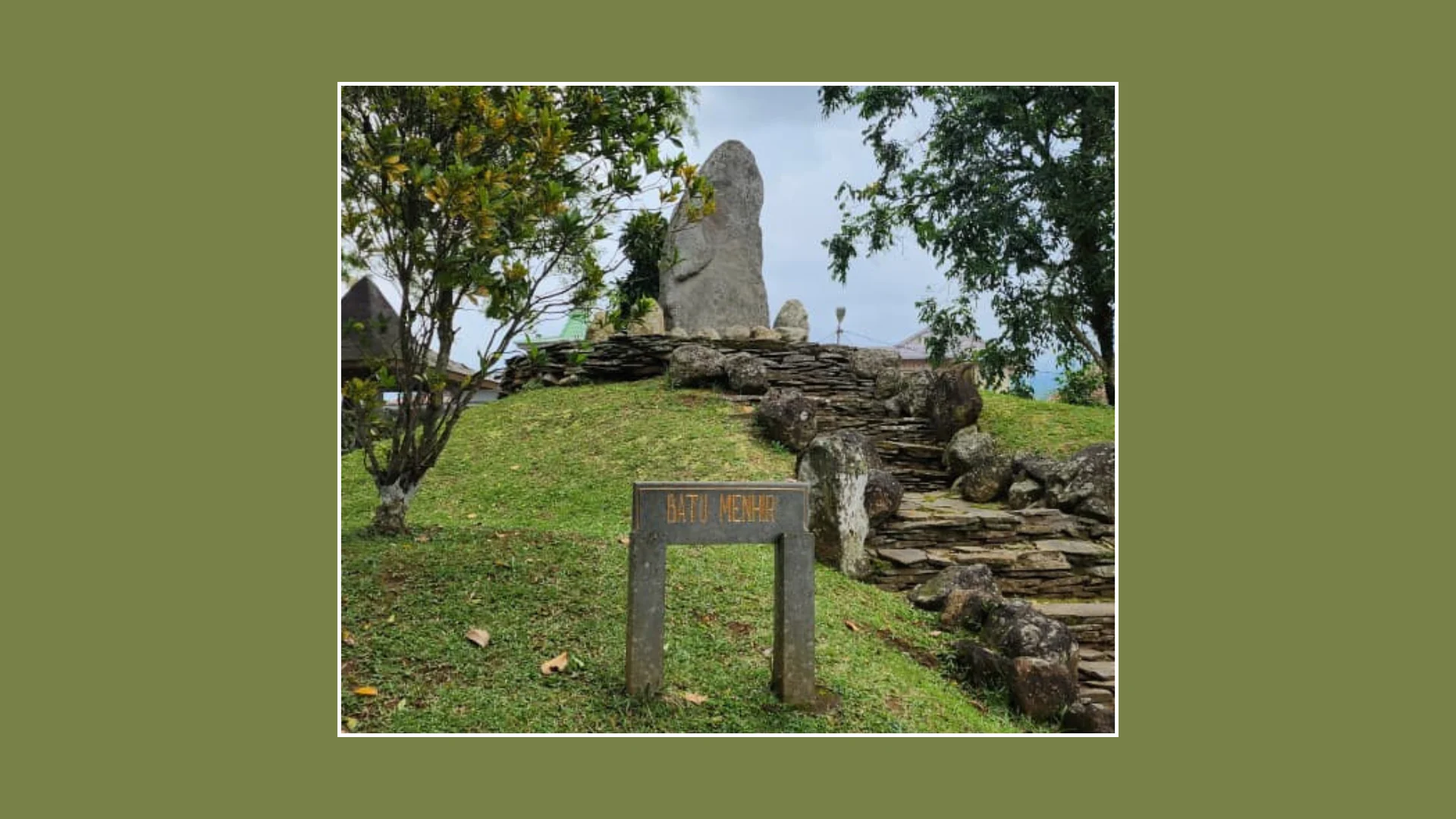
This village is home to the oldest megalithic site, the Sang Hiang site, which contains ancient stones, including lingga yoni, menhirs, dolmens, and Nandi statues, dating from the 7th to 8th centuries AD.
*Visit 3: Cipari Archaeological Park Museum Site*
The Cipari Archaeological Park Museum Site, located 20 minutes away from Sagarahiang demonstrates a unique blend of the Neolithic and Megalithic periods. The discovery of bronze artifacts indicates significant technological developments, while the presence of large stones indicates the community’s spiritual belief in ancestors. It also indicates that the people of that era not only possessed advanced agricultural skills but also possessed a fairly complex social structure.