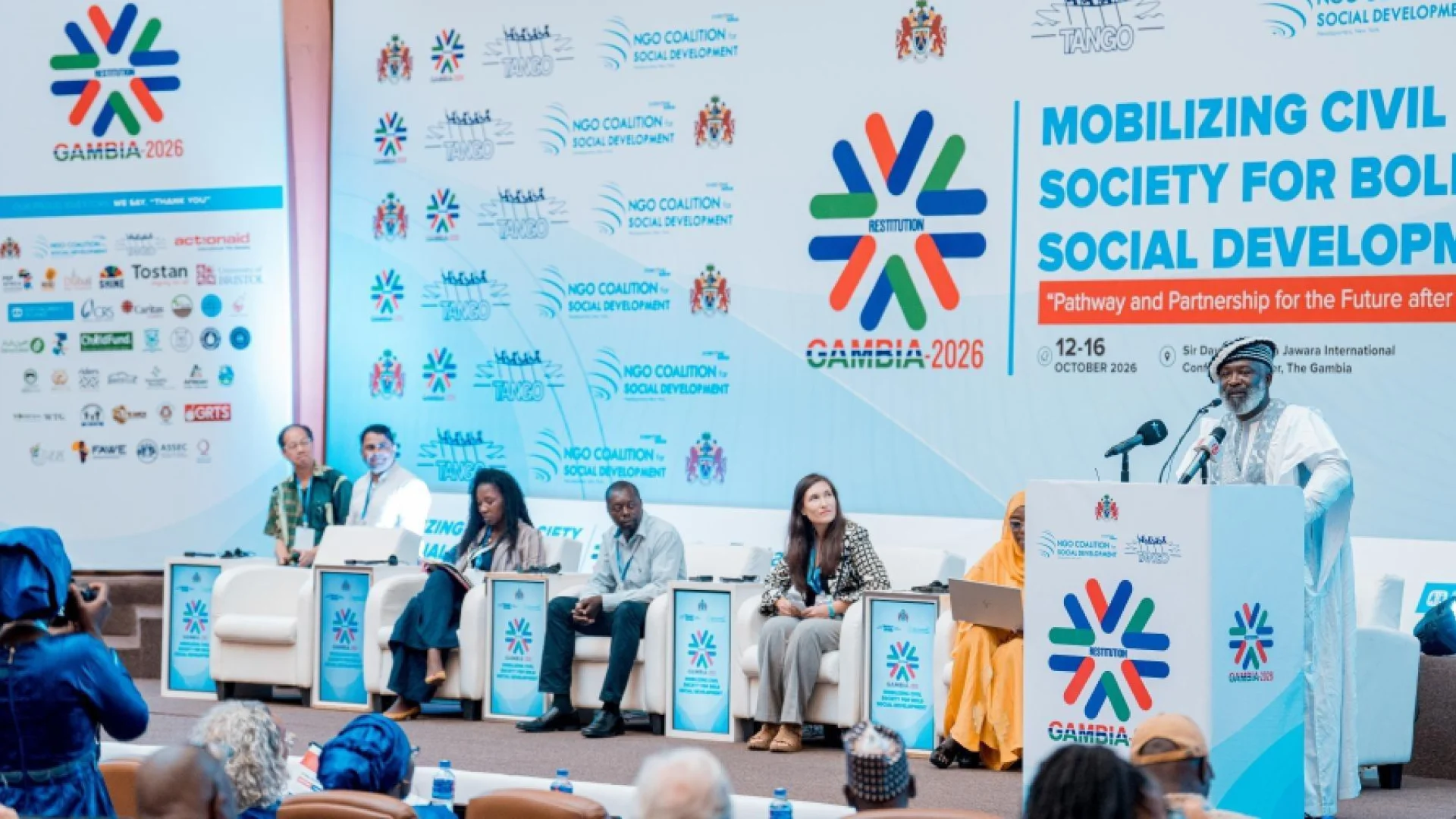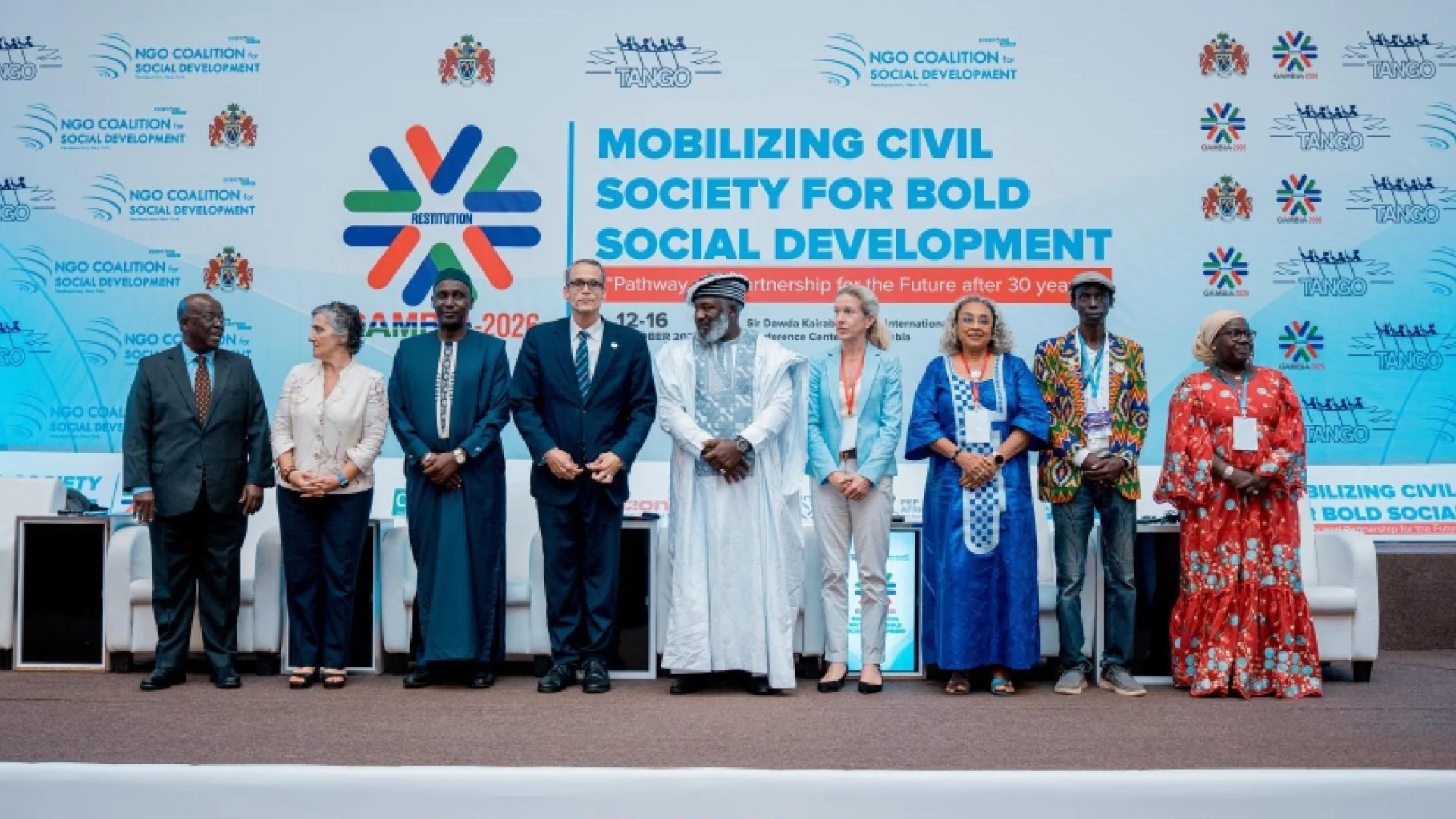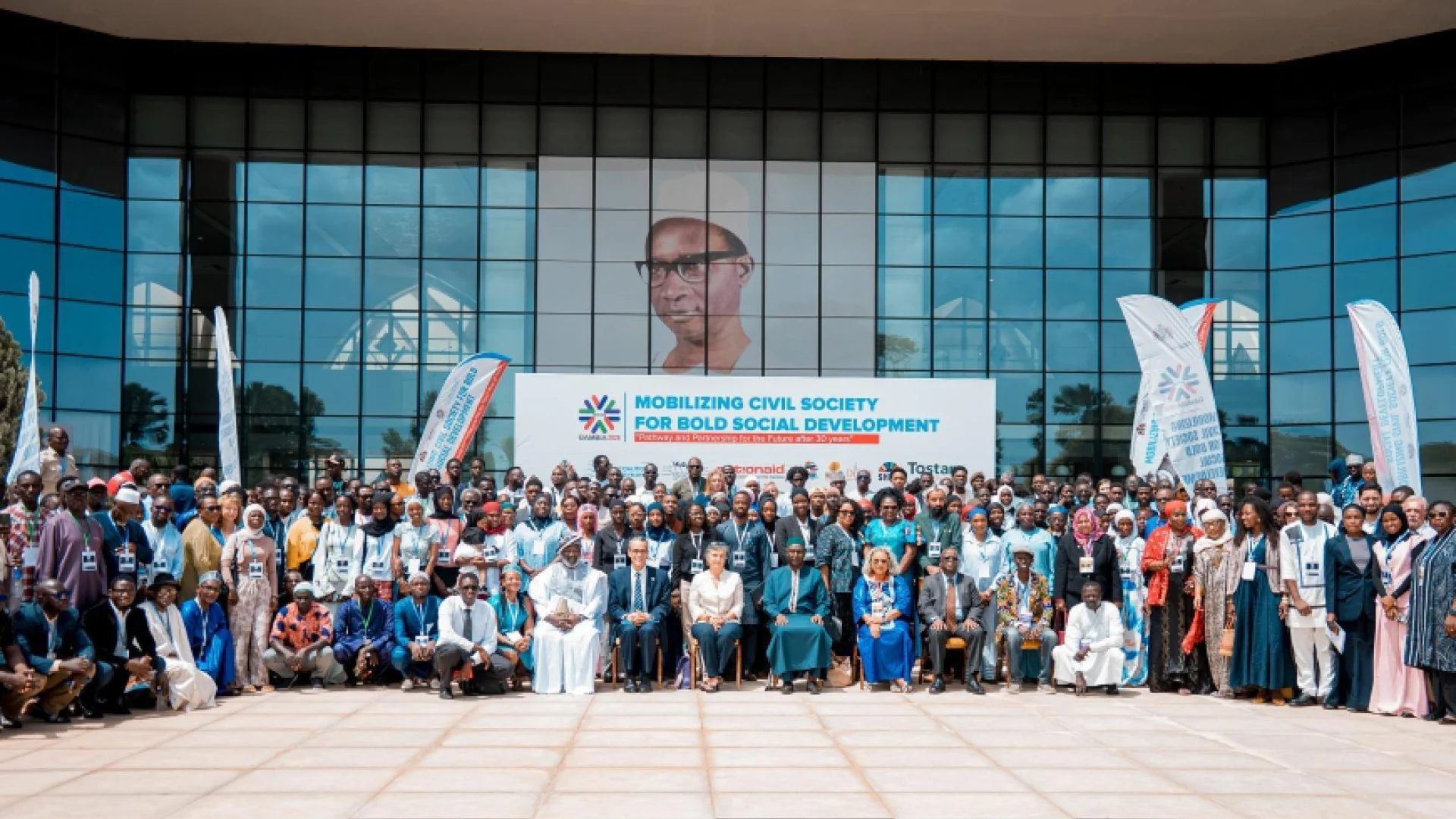

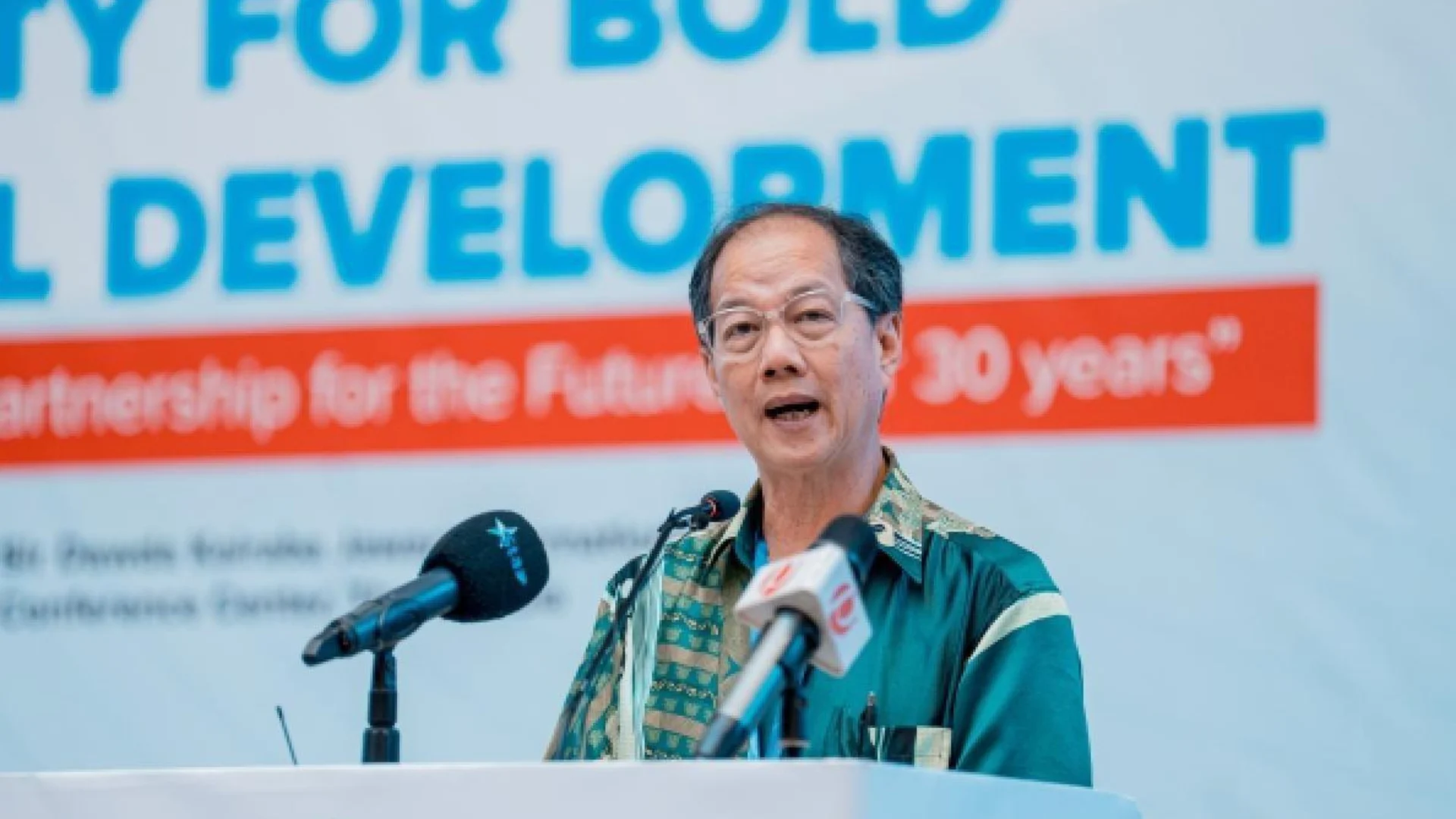
By Kon Onn Sein, Chair of ASEC, Treasurer, Society for the Promotions of SDGs & Director of YKPM. He participated at the Gambia CSO global meet from Oct 12-16. 2026
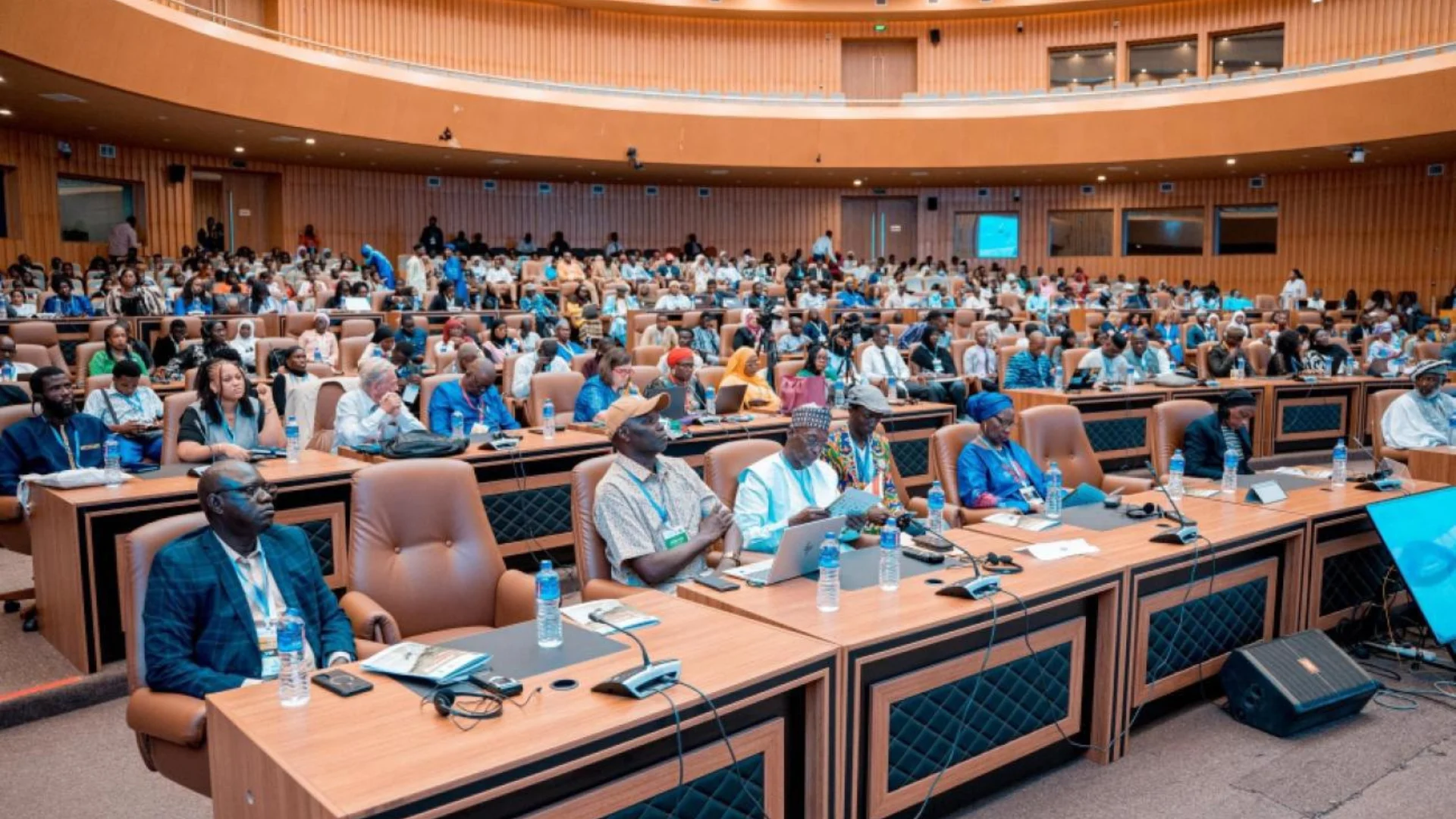
The World NGO Coalition for Social Development convened GAMBIA 2026 as a landmark gathering of civil society leaders, bringing together more than 814 delegates from 53 countries. It was the largest such gathering since the 2025 Doha World Summit for Social Development. Representatives of the United Nations, World Bank, European Union and Gambian Government joined participants in reaffirming the importance of collective action to advance social development.
Through 23 exhibitions and 62 side-event sessions during NGO Action Week, civil society organisations shared practical experiences and strategies for tackling poverty, creating decent jobs, reducing inequality, strengthening social inclusion and improving access to essential services.
The Summit culminated in the adoption of The Banjul Civil Society Framework of Action, a practical framework to monitor and report on the implementation of the Doha Political Declaration for Social Development. It brings together civil society around six pillars, including poverty eradication, inequality reduction, social integration, international cooperation, peace and security, and sustainable development.
Importantly, the Framework recognises that economic development, social progress and environmental protection are inseparable. It also places communities at the centre of development—not merely as beneficiaries of assistance, but as leaders, partners and agents of change.
This is a significant achievement. Without waiting for external financing from UN agencies, civil society demonstrated its ability to develop a common framework grounded in the lived experiences and aspirations of communities.
The framework, further enables civil society to promote an acceleration of SDG social development outcomes across the Global South and least developed countries, and the mobilizing of resources for social progress. At its heart is the conviction that economic development, social progress, and environmental protection are inseparable foundations of sustainable development.
The monitoring reports can be brought up in the UN Commission on Social Development and be used to identify bottle necks and shape timely solutions to achieve more even and effective SDG outcomes. An example of this reporting target “by 31 December 2028: at least 20 per cent of adaptation and loss-and-damage finance reaches community-based organizations, local governments and Indigenous organizations directly.” A complete table can be seen in the annex.
From Global Promises to Accountability
The real test, however, is implementation. This can be seen in the example of climate change goals.
Over the years, the international community has adopted many important agreements, including the SDGs, The Paris Agreement on climate change, the Kunming-Montreal Global Biodiversity Framework and the Doha Political Declaration. Yet, translating these commitments into action remains a major challenge. Many promises, particularly those involving financial support and international cooperation, have not been delivered at the scale or speed required.
This is especially evident in the relationship between developed and developing countries. Developing nations are expected to protect forests, conserve biodiversity and transition towards greener economies. However, these responsibilities often come with significant economic costs. Protecting forests may mean foregoing logging revenues, while adopting cleaner technologies and sustainable production methods can require substantial investment.
Without adequate financial support from wealthier nations, developing countries face difficult choices: divert scarce public funds towards environmental commitments, reduce spending elsewhere, or continue relying on economic activities that may damage natural resources.
These choices have direct consequences for ordinary people through higher living costs, reduced public services and fewer economic opportunities.
Meanwhile, developing countries cannot reasonably be expected to shoulder the global environmental burden alone while international climate and biodiversity financing commitments remain unfulfilled.
The Banjul Framework’s proposed monitoring and reporting mechanism is therefore important. By introducing calenders with measurable intermediate targets aligned to shorter time-based reporting and deadlines, it can help reveal whether governments and international partners are delivering on their commitments. While reporting and monitoring implementation alone cannot compel compliance, greater transparency can strengthen public accountability, it can provide civil society with evidence to engage governments, international agencies and other stakeholders. See table in appendix below on the calender aligned to measurable intermediate targets as stated in the Banjul Framework.
There is guarded optimism that this framework can turn global commitments into a more meaningful process of dialogue, negotiation and action at the global level. Nonetheless, forming this framework into a tighter progressive time line matched with progressive measurable indicators is a commendable step up for greater accountability and clarifying bottle necks and need for collaborative action.
GAMBIA 2026 has fired up the imagination that civil society in the global south can organise themselves with little international financing to help turn global aspirations into practical instruments for accountability. The Banjul Civil Society Framework of Action establishes an architecture for monitoring and reporting government implementation of the Doha commitments across poverty eradication; full and productive employment and decent work; social inclusion; human rights and equality; social protection and essential services; financing and international cooperation; and participation, institutions, and accountability. This calls for a transformation of values, priorities, and institutions so that social progress, dignity, well-being, and opportunity become realities for all.
Above all, it places communities at the centre of development—not merely as beneficiaries, but as leaders, partners, and agents of change—through full, meaningful, and inclusive community dialogue. Hopefully, this framework makes it even more possible to strengthen the voices of the global south and let these NGOs be more credibly represented in the solution and decision making table in the UN Commission of Social Development and global bodies .
Annex I – Commitments, targets, baselines and verifiers