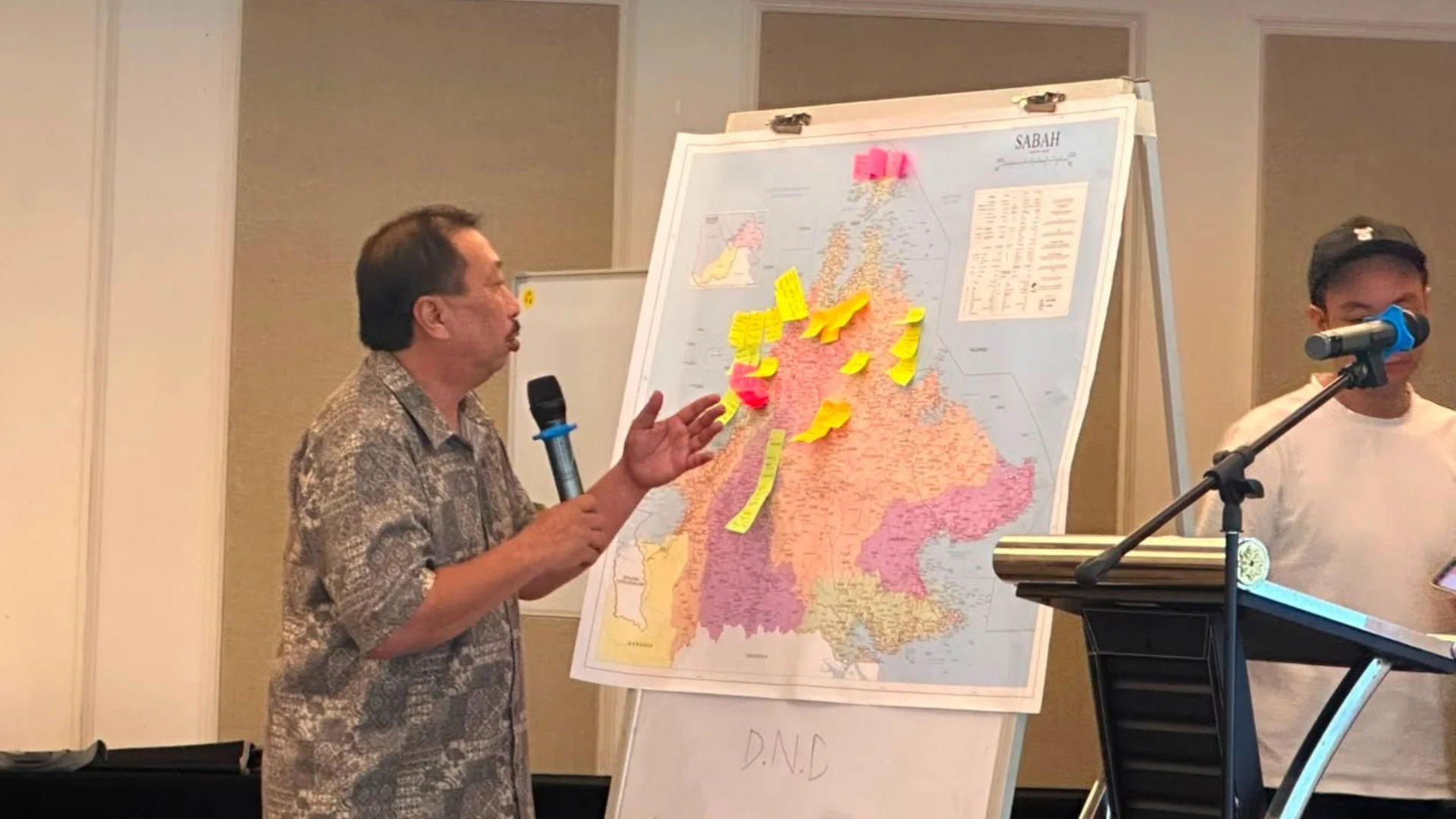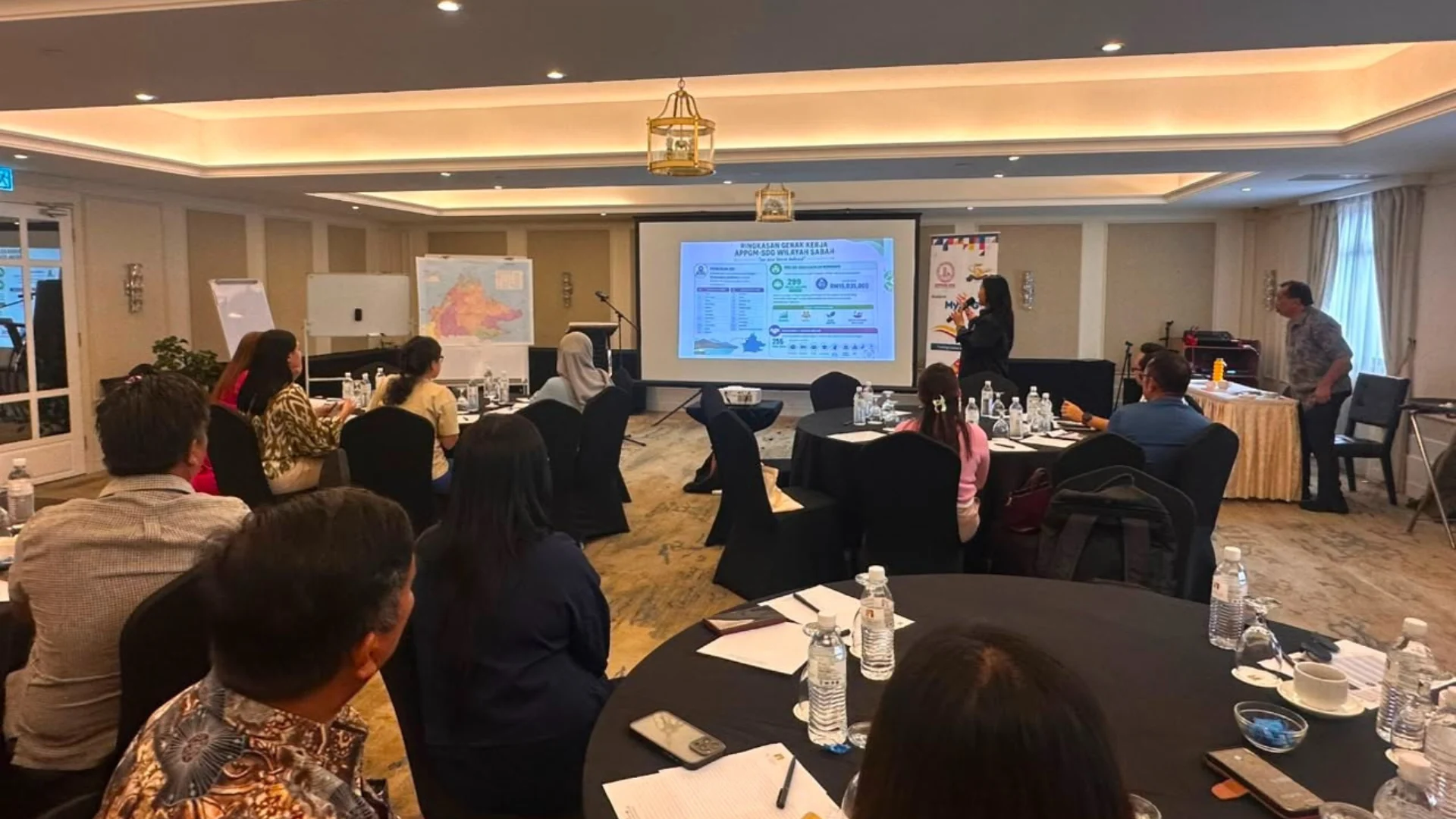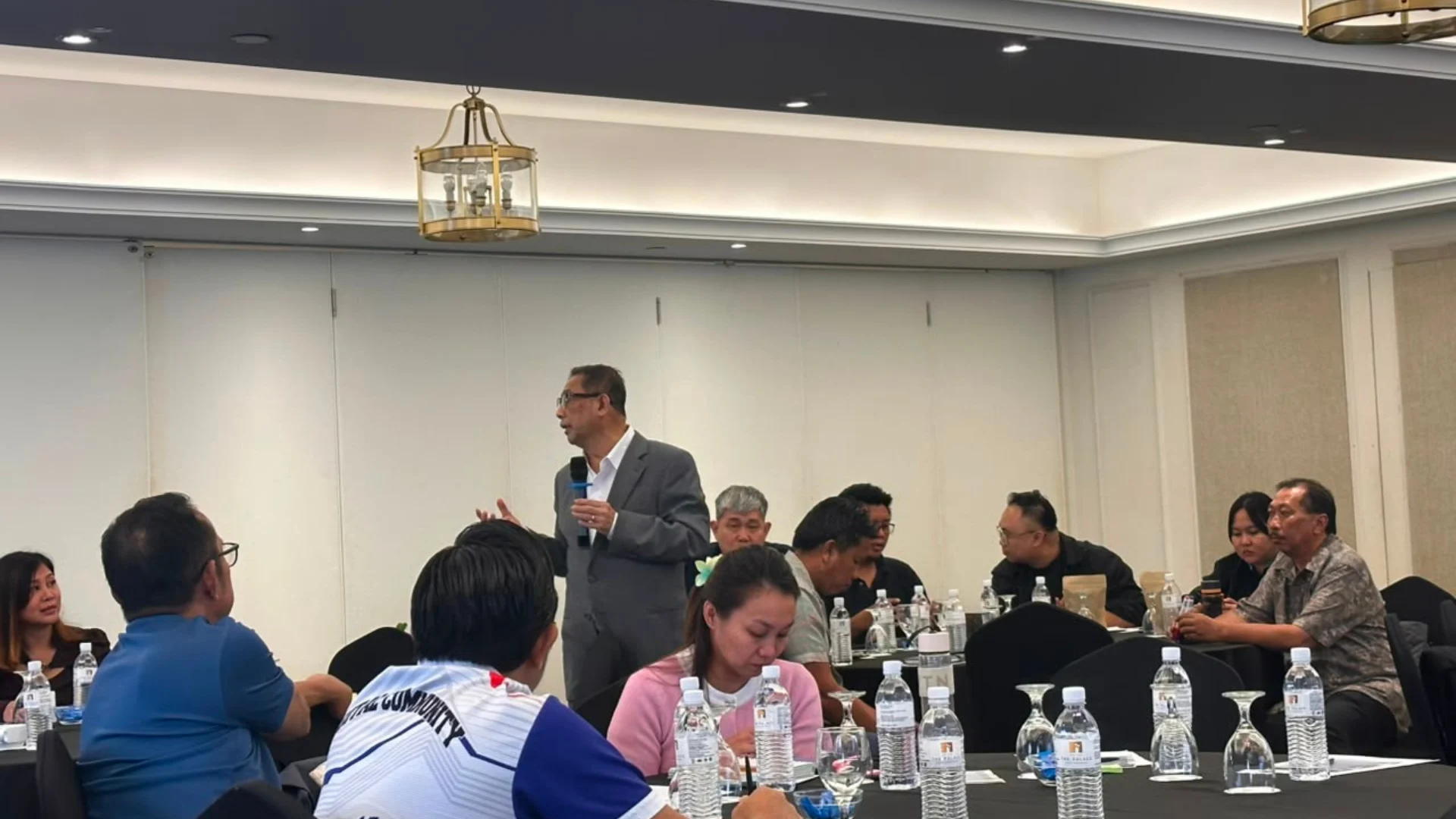

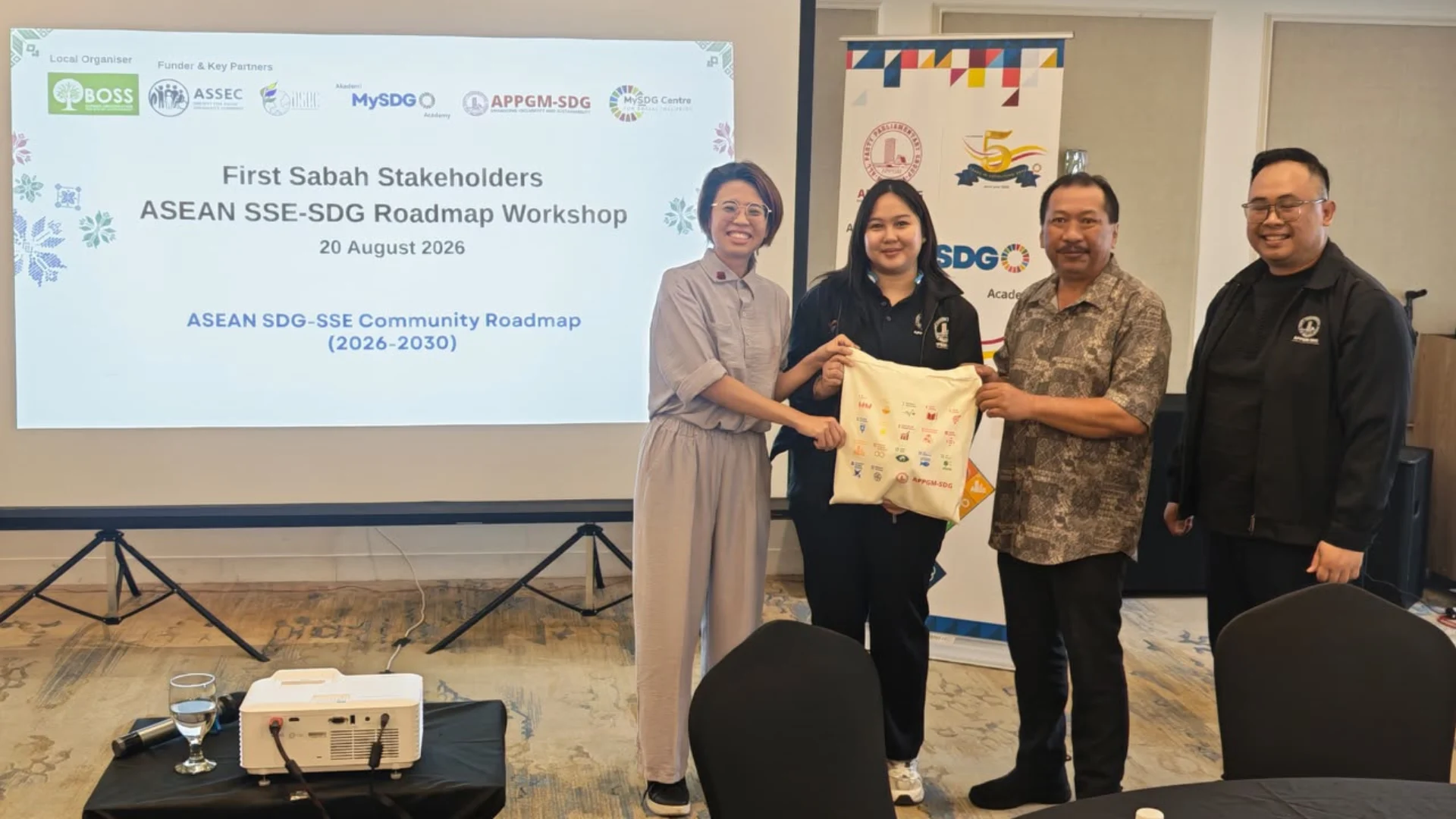
Around 25 social entrepreneurs, cooperative leaders, civil society representatives and other stakeholders gathered in Kota Kinabalu, Sabah on 20 August 2026 to explore how Sabah’s Social and Solidarity Economy can become more connected, supported and scalable.
The Sabah Stakeholders Workshop on the ASEAN SDG–Social and Solidarity Economy Roadmap 2026–2030, jointly organised by Sabah-based NGO Bantuan Orang Susah Sabah (BOSS) and MySDG Academy, created a space for local stakeholders to discuss how a regional framework can be translated into practical action in Sabah.
A key focus was the proposed Borneo Social Solidarity Economy Observatory (Borneo SSEO) — a potential long-term platform to connect the many people and organisations already generating social, economic and environmental value across Sabah and, eventually, the wider Borneo region.
From a regional roadmap to local action
The ASEAN SDG-SSE Roadmap 2026–2030 was developed through a participatory process involving SDG and SSE practitioners, beginning with a major drafting session at the ASEAN SDG-SSE Forum in Kuala Lumpur in May 2025. It was further consulted on and refined before being soft-launched in January 2026.
The Roadmap is not a binding ASEAN treaty or government policy instrument. Rather, it is a community and third-sector action framework intended to encourage collaboration and practical implementation across the region.
For Sabah, the workshop raised a simple but important question: What would it take to turn a regional SSE agenda into a locally owned ecosystem that responds to Sabah’s realities? Leonard Alaza, BOSS’ Social Solidarity Economy ecosystem builder, said:
“Sabah does not lack people who are already creating change. What we lack is the connective tissue that allows these efforts to see one another, learn from one another and grow together.
“What could we achieve if we stopped working as isolated initiatives and started building an ecosystem together?”
From isolated initiatives to an ecosystem
Across Sabah, many actors are already contributing to inclusive development.Social enterprises create employment and address community needs. Cooperatives organise resources and livelihoods. Universities generate knowledge and research. Government agencies support development programmes, while businesses, funders and impact investors look for credible initiatives to support.
Yet these actors do not always find one another. A social enterprise may have a good product but limited access to markets. A cooperative may have strong community resources but lack technical expertise. A university may have valuable research but limited community connections. An investor may want to support impactful initiatives but struggle to identify suitable partners.
The proposed Borneo SSEO seeks to explore how this fragmentation could be reduced. Potential functions include mapping SSE organisations and resources, facilitating market and supply-chain connections, identifying financing opportunities, enabling knowledge exchange, supporting impact measurement and generating data that can inform policy making.
However, organisers emphasised that technology is not the starting point. The ecosystem is. The workshop therefore focused on stakeholder needs, ecosystem gaps and opportunities, and what services a future Observatory should actually provide.
Datuk Kenny Chua, founder of BOSS, said:
“We should not think of this as simply building another platform or database. The real opportunity is to unlock the value that already exists in our communities.
“When a social entrepreneur can find a cooperative, when a cooperative can reach a market, when knowledge can reach the people who need it, and when responsible capital can find credible initiatives, the whole ecosystem becomes stronger.”
Building an economy that serves people
The broader vision is closely aligned with the principles of the Social and Solidarity Economy.
SSE includes cooperatives, social enterprises, community-owned businesses, mutual associations, self-help organisations and indigenous enterprises. These organisations engage in economic activity while also generating social, cultural and environmental value.
This approach is particularly relevant to Sabah, where rural and indigenous communities, women, young people and grassroots organisations play an important role in shaping local development.
Strengthening the SSE therefore creates an opportunity to connect livelihood development, community ownership, sustainability and the Sustainable Development Goals within one ecosystem.
Connecting Sabah to the wider ASEAN movement
Although the workshop focused on Sabah, the proposed observatory has a broader ambition. Organisers envision the possibility of a Borneo-wide ecosystem connecting Sabah and Sarawak, with future linkages to the wider ASEAN Social and Solidarity Economy movement.
Such an ecosystem could connect community enterprises and social entrepreneurs with universities, development organisations, philanthropic institutions, impact investors, responsible businesses and public-sector institutions.
Zoel Ng of MySDG Academy said:
“The Sustainable Development Goals will only become real when they move beyond policy documents and into the lives, livelihoods and communities of people.
“This initiative creates a bridge between the ASEAN and SDG agenda and the people already doing this work on the ground. Sabah has the opportunity not only to participate in that conversation, but to demonstrate what a connected Social and Solidarity Economy can look like in practice.”
A first step
The proposed Borneo SSEO remains at an early concept-validation stage. The immediate priority is to listen to stakeholders, understand their needs and determine whether there is sufficient demand before moving towards a larger development programme. The outcomes are expected to inform a future pilot, including its possible services, governance, data requirements and ecosystem partnerships.
Ultimately, the initiative asks a bigger question:
Can Sabah build an economy in which people, communities and the environment are not simply beneficiaries of development, but active owners and creators of value?
If successful, the initiative could strengthen collaboration among Sabah’s social enterprises, cooperatives, community organisations, government, academia, businesses and impact-oriented capital — while offering a practical contribution to the wider ASEAN ambition of advancing SSE as a pathway towards achieving the SDGs.
The Kota Kinabalu workshop is therefore not simply about creating another digital platform. It is an early step towards building the connective infrastructure of an ecosystem — where people, knowledge, markets and resources can come together to generate shared prosperity.
About the organisers
Bantuan Orang Susah Sabah (BOSS) is a Sabah-based non-governmental organisation supporting Sabahans in need and building partnerships that contribute to shared prosperity.
MySDG Academy is a training and ecosystem-building platform focused on empowering individuals and organisations to localise the SDGs and ESG principles from grassroots and district levels to state, national and ASEAN-level action.