
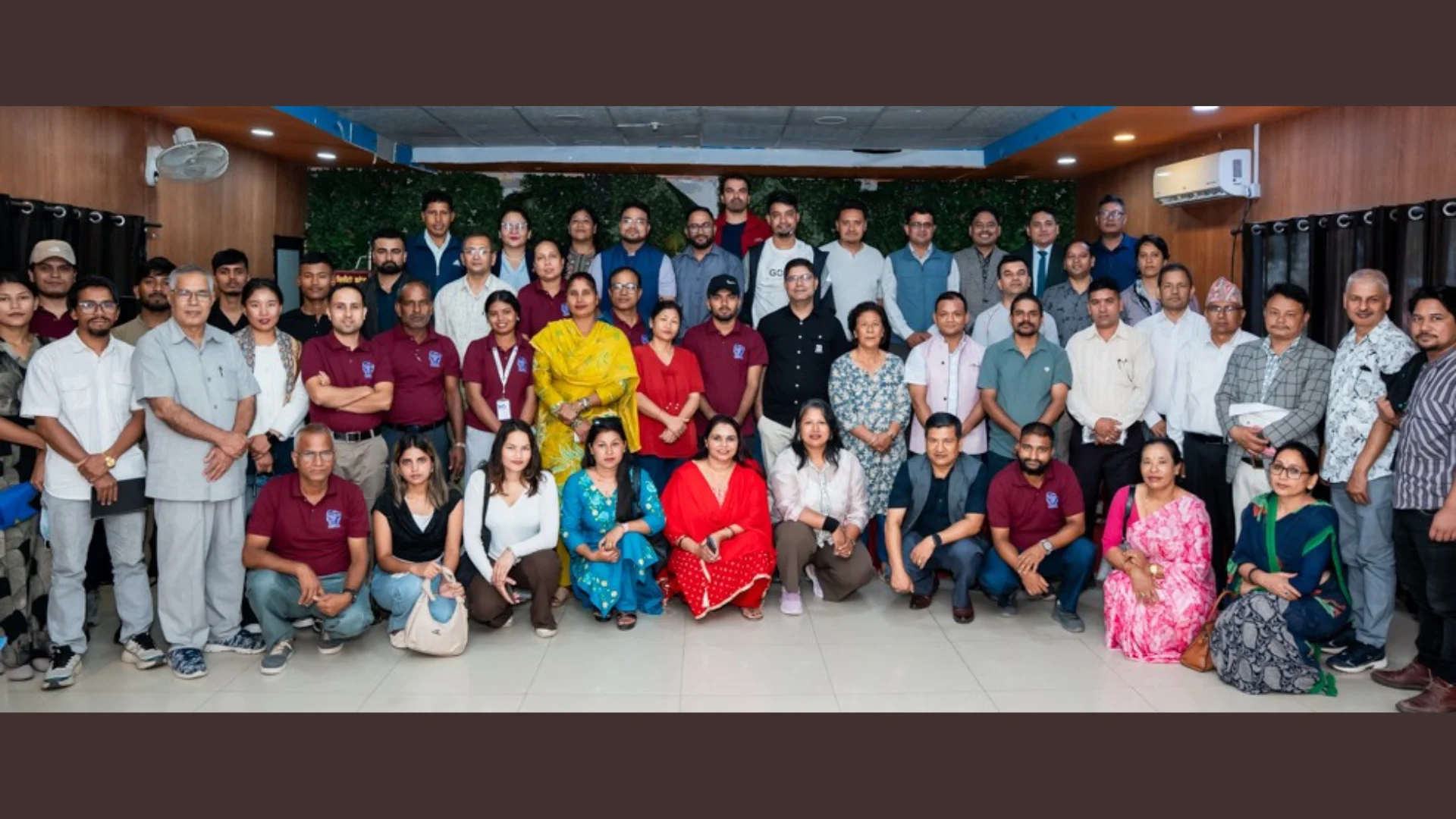
Organized The National Forum for Advocacy Nepal (NAFAN)
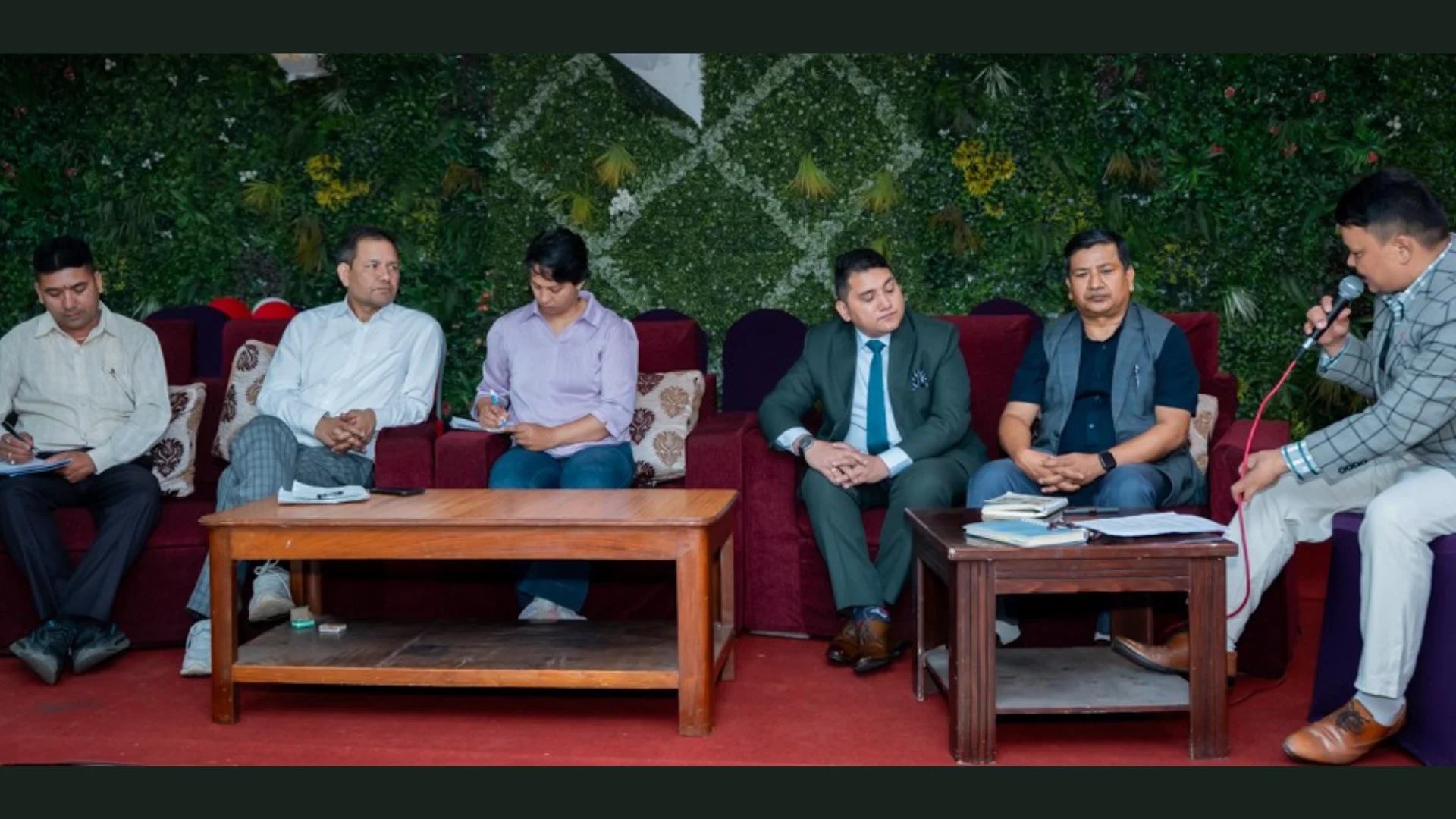
On August 23, 2026, the National Forum for Advocacy Nepal (NAFAN) organized a panel discussion on land use and land rights issues in Kathmandu, Nepal. The discussion comes at a time when land issues have become increasingly contentious, particularly following the forced eviction of squatters and landless people by the current government. More than 1.2 million people have been identified as landless in Nepal, with Dalits, historically marginalized and discriminated against under the caste system, facing particularly severe barriers to access to and ownership of land.
Keynote Speaker: Mr. Bhola Bhattarai
During the discussion, land use and land rights scholar Mr. Bhola Bhattarai presented a paper highlighting the history, use, and importance of land for human society and nature. He described the changing relationship between humans and land from the Stone Age and agricultural era to the present modern age. He argued that land, which historically functioned largely as a common resource supporting communities and livelihoods, is increasingly being converted into an asset and commodity in the modern economy. This transformation, he noted, is contributing to growing conflicts between smallholder farmers, local communities, the state, and large corporations.
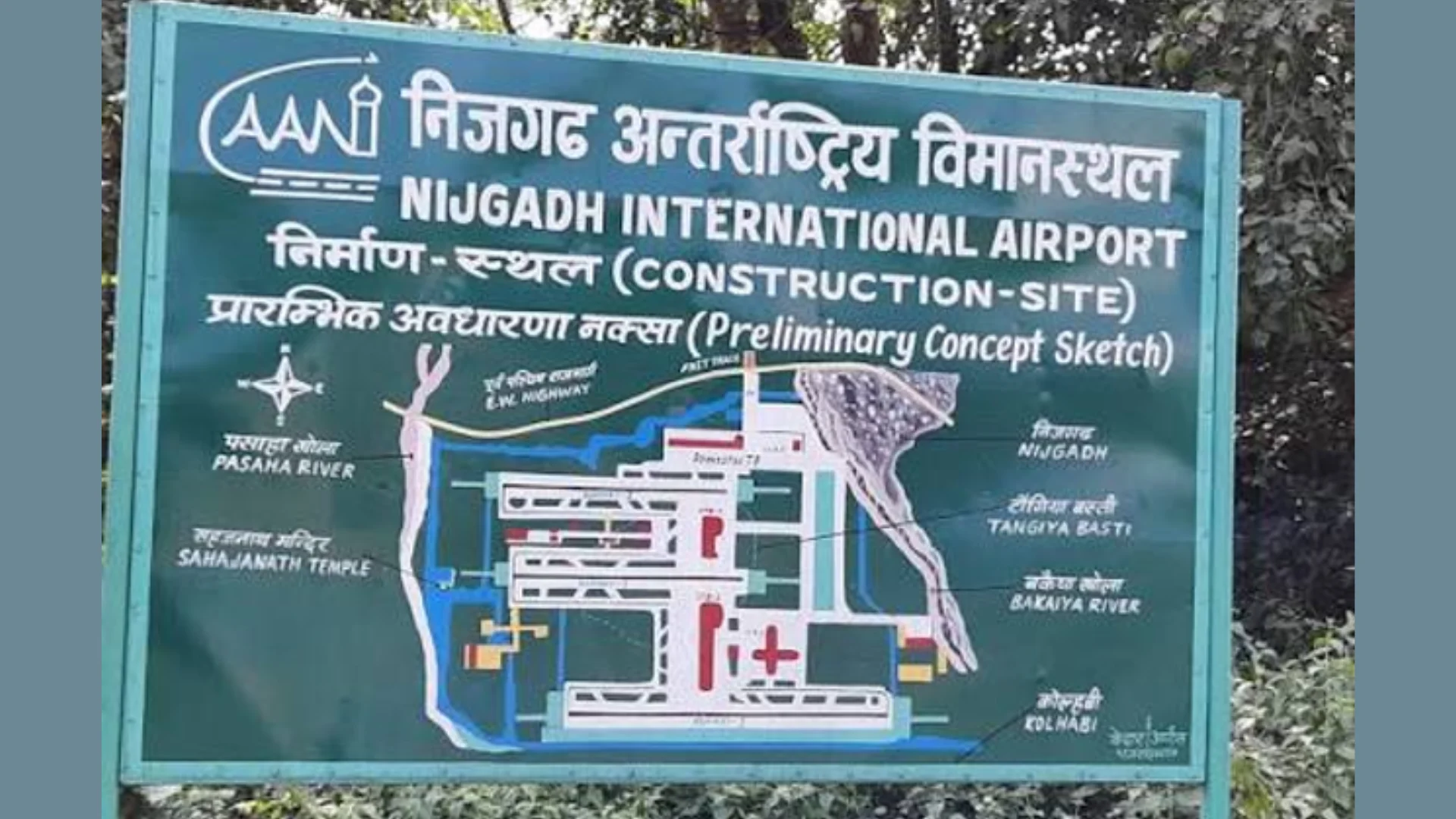
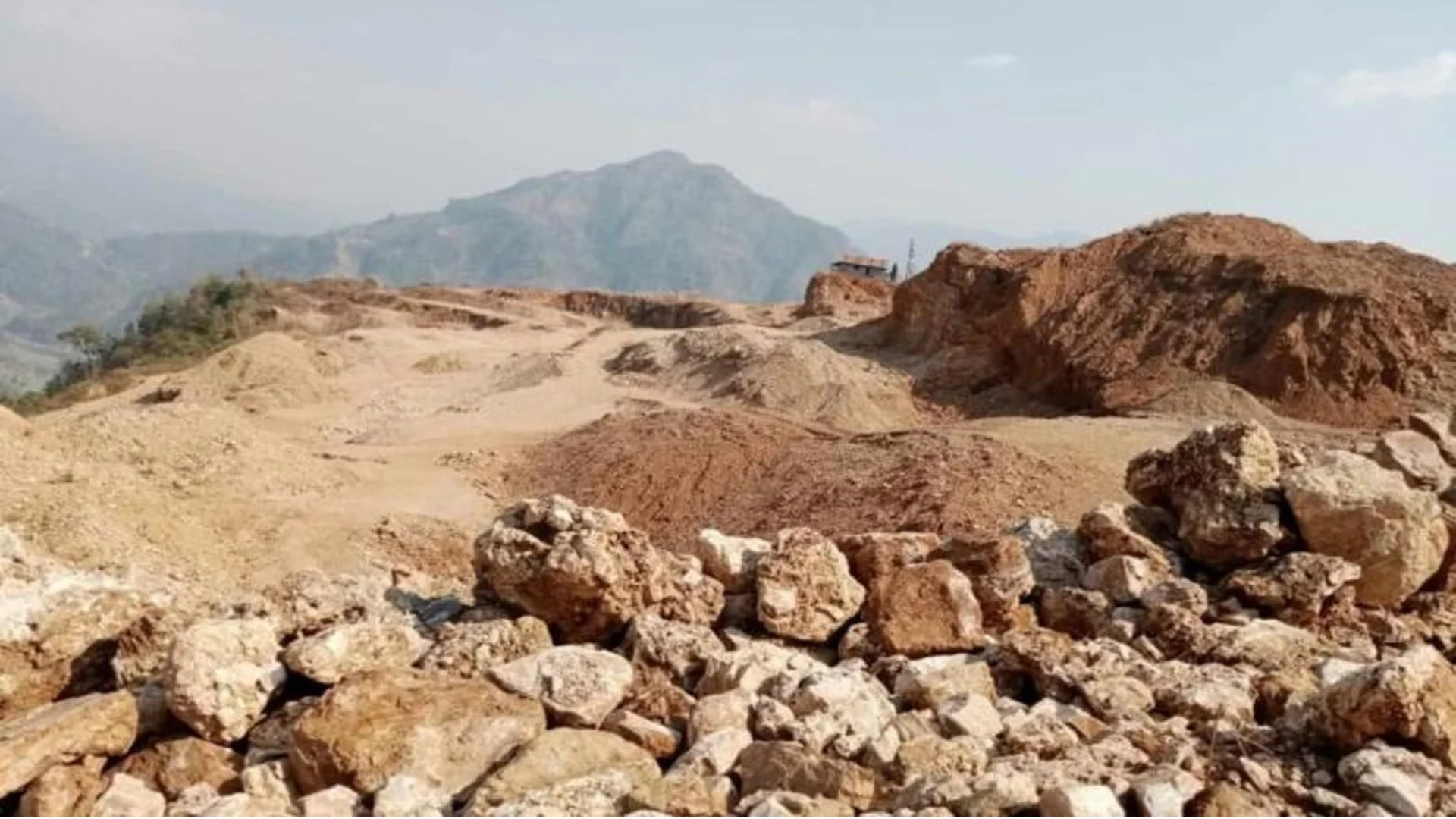
Mr. Bhattarai further highlighted the negative impacts of modern development and unplanned land use. He pointed to large infrastructure and extractive projects, including the proposed Nijgadh International Airport and limestone mining operations in Nepal’s Mahabharat range, as examples of development activities that can affect ecosystems, land, and the lives and livelihoods of Indigenous and local communities. He also emphasized that traditional settlers in the Tarai, particularly Dalit communities, continue to experience landlessness due to structural inequalities, discriminatory norms, and long-standing social practices.
Mr. Bhattarai argued that the Government of Nepal and concerned stakeholders must develop a common and comprehensive position on land use and land rights as soon as possible. Such a framework should promote proper and sustainable land management while ensuring the land rights and dignity of marginalized and land-dependent communities.
Sharing by five land rights advocates, activists, and experts
Following the keynote presentation, five land rights advocates, activists, and experts shared their perspectives on different aspects of land rights.
Mr. Jagat Deuja emphasized that the government must address the situation of the identified 1.2 million landless people by following the due process developed by the National Land Commission.
Ms. Bhagawati Adhikari raised concerns about the forced displacement of squatters, landless Dalits, and other vulnerable communities whose human rights are at risk. She urged the government to protect the rights of squatters and landless people with dignity and justice.
Mr. Dilli Giri, a forest activist, highlighted disputes between community forest user groups and landless people and called for dialogue and appropriate mechanisms to resolve such conflicts.
Mr. Pradeep Budhathoky of RECOFTC highlighted the apparent contradiction between Nepal having around 46 percent forest cover while many people remain landless. He questioned whether the country can adequately balance forest conservation with the legitimate land needs of landless and marginalized communities.
Similarly, Dr. Pramod KC of Habitat for Humanity presented a global perspective on land issues and stressed the need to effectively implement land-use plans at the local level.
During the session, youth, women, Dalits, Madhesi communities, landless people, and representatives from diverse communities raised their concerns, shared their experiences, and called on the government to resolve long-standing land disputes as soon as possible.
In conclusion, the discussion highlighted the historical and structural nature of land inequality in Nepal. Dalits, who constitute around 14 percent of Nepal’s population, have historically been marginalized in access to land and other resources. Article 40 of the Constitution of Nepal guarantees the rights of Dalits, including proportional representation, free education, provisions related to land, and social security aimed at addressing historical caste-based discrimination. However, many of these constitutional commitments have yet to be fully implemented.
The discussion also raised serious concerns about mineral extraction and other development activities being undertaken without adequate consultation, Free, Prior and Informed Consent (FPIC), and meaningful participation of affected communities. Participants emphasized that land cannot be viewed merely as an economic commodity. It is closely connected to livelihood, identity, culture, social justice, ecology, and human dignity.
The Kathmandu discourse therefore called for a more inclusive, rights-based, participatory, and ecologically responsible approach to land use and land rights in Nepal. The participants agreed that resolving land-related conflicts requires urgent action, but such action must also protect the rights, dignity, livelihoods, and future of marginalized communities.