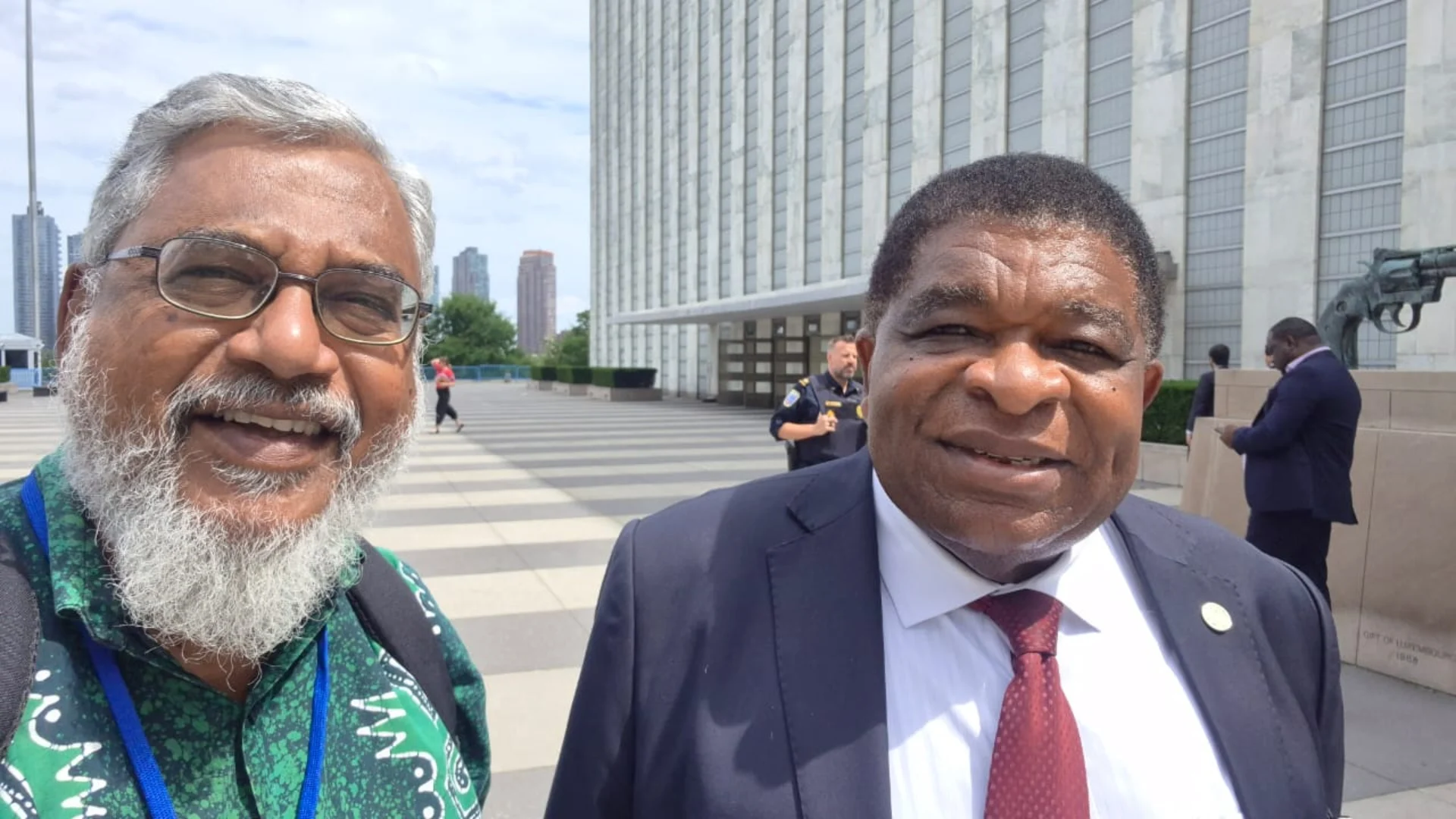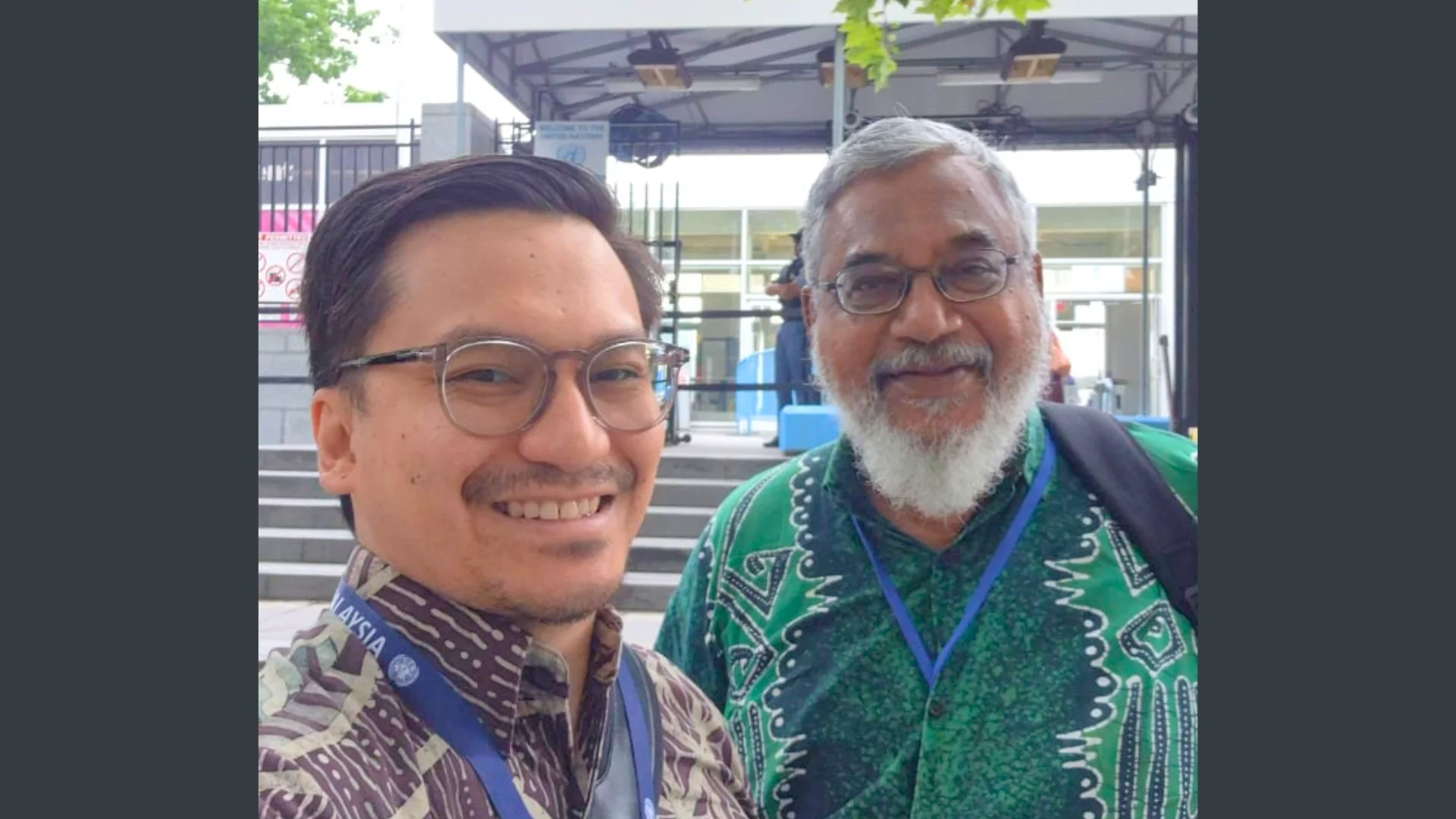
Another day (June 18, 2026 – Thursday) of participating in meetings and chatting with diplomats and fellow activist at the UN in New York. Some would feel this is a waste of time as its member states, UN agencies, Civil society are only making statements on critical global themes and calling on the international community to take a collective stand. While there seems to be consensus of the issues and how we can resolve them, however the global body is unable to enforce it. This is due to the current arrangements of governance with the members of the security council and the sovereign rights of member states.
On June 18, 2026, I attended three different meetings to personally hear the speakers. All these sessions are well documented and can be viewed through UNTV. An amazing number of meetings and events covered by the UN though out the year. At the point I had completed the meetings and walking back I recollected several reflective points.
First, there are sufficient normative guidelines, rules and international law on all the matters being discussed such as protection of health care workers and health facilities including hospitals, clinics, ambulances and needed infrastructure such as electricity and water during time of conflict. These have been formulated through consensus and collective decisions as international standards and laws to be respected by all member states.
Second, the violators in the Ukraine, Gaza, and other conflict situations are member states who are not complying to the standards set and violating international law. This could be USA, Israel, Russia and other groups. How does the UN enforce them. It has international procedures, modalities and international courts but unfortunately, they are being undermined by some governments and are underfunded.
Third, in all the three events I participated the human suffering of civilians and health care workers becoming victimised, killed, arrested, imprisoned and abused. These are the very people on duty to save humanity and restore peace but there is no respect nor protection for them during times of conflict.
Fourth, I was really impressed with some of the guest speakers from both the UN agencies such as WHO, UNHCR and international organisations such as the Physicians for Human Rights for their professional and factual presentations. Also, for the spokespersons for doctors in Gaza and Sudan in presenting the human side of the suffering of both civilians and health care professionals.
Fifth and finally, I felt sad that Malaysia was missing in all these discussions. We have so much to offer to the global community of our domestic experiences as well as our international assistance in peace keep and crisis intervention. We also have so much to learn from other countries. At this stage of our national development, Malaysians must move away from just a focus on domestic concerns and contribute to humanity at the global stage.
As Malaysia is elected to ECOSOC for a two-year term (2027-2029) it can form a panel of Malaysians from government, private sector CSO-NGO, academics and parliamentarians who can activity support the government in this role to make a major impact especially for the SDG agenda beyond 2030
Denison Jayasooria (20 June, 2026, NYC)
Meeting One participated: High-Level Panel Discussion 2 Transition from Relief to Development
From commitments to practice: mobilizing action to protect civilians, strengthen respect for international humanitarian law and uphold humanitarian principles
Thursday 18 June 2026 at 10:00-13:00 / ECOSOC Chamber
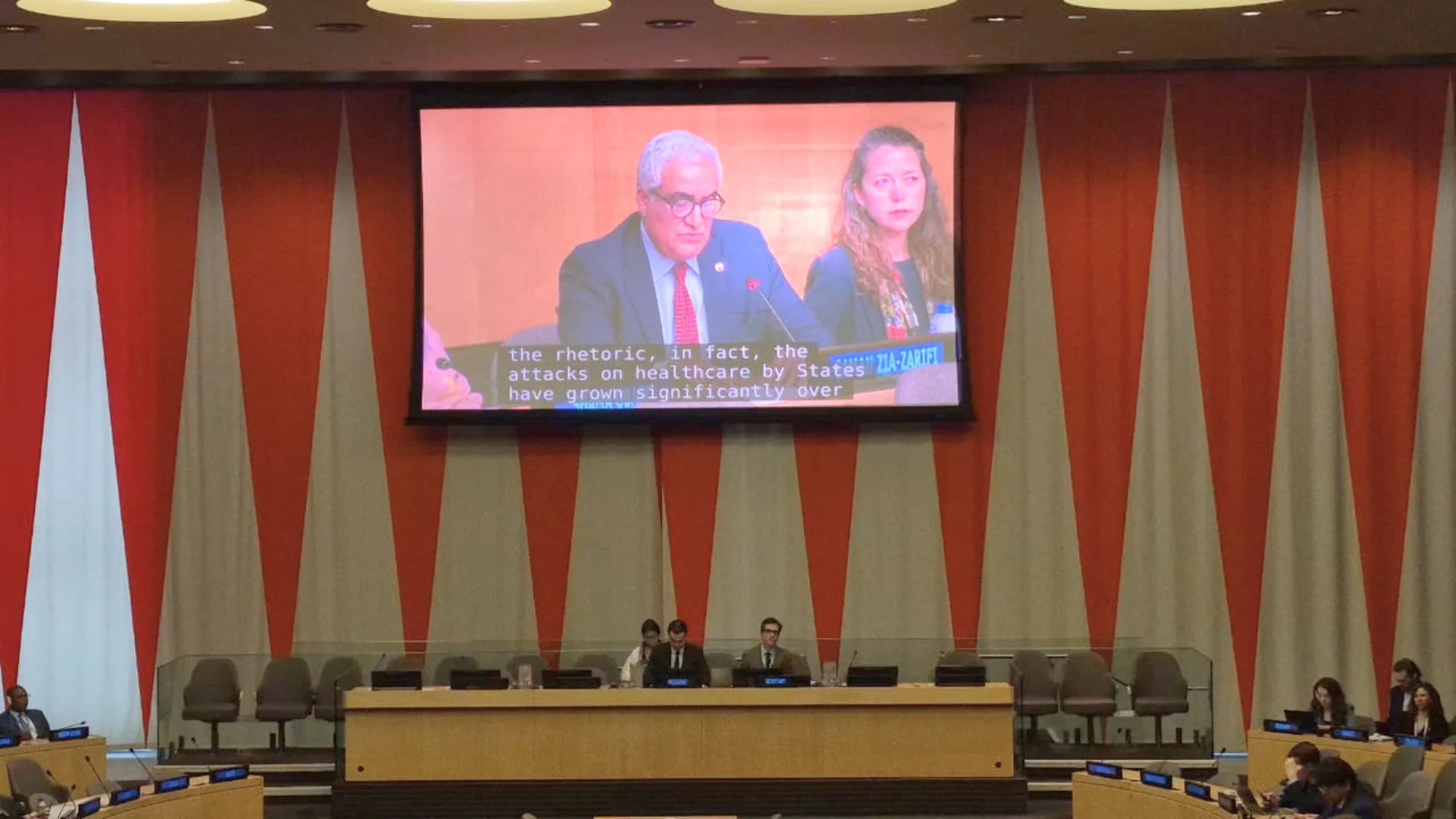
This panel addressed the erosion of norms and the urgent need to strengthen the protection of civilians in armed conflict and respect for international humanitarian law. At a time when violence has reached levels not seen in recent history, civilians, including humanitarian workers, continue to bear the brunt of conflict. The panel will examine how Member States and parties to conflict must translate commitments and obligations into concrete actions that uphold humanitarian principles and norms, protect civilians and humanitarian personnel, and enable safe, effective and principled humanitarian assistance.
This erosion of norms carries devastating human consequences, as civilians face displacement, injury and loss of life, while access to essential services and protection is increasingly constrained. Violations of international humanitarian law not only harm those directly affected but also delay, restrict and at times prevent the delivery of life-saving assistance, undermining the ability of humanitarian actors to operate safely, effectively and at scale. The cumulative impact is measured not only in unmet needs, but in lives placed further at risk due to preventable barriers to aid. Ultimately, the responsibility to uphold international humanitarian law – and to ensure accountability for its violation – rests with Member States and parties to conflict, whose consistent action is essential to reversing current trends and restoring respect for humanitarian norms.
Chair and Moderator: H.E. Ambassador Héctor Gómez, Permanent Representative of Spain to the United Nations in New York & Vice-President of ECOSOC responsible for the 2026 Humanitarian Affairs Segment
Invited panellists:
- H.E. Ms. Shama Obaed, Minister of State for Foreign Affairs, Bangladesh
- Mr. Saman Zia-Zarifi, Executive Director, Physicians for Human Rights
- Mr. Raouf Mazou, Assistant High Commissioner for Operations, United Nations High Commissioner for Refugees
- Ms. Lucia Elmi, Director, Office of Emergency Programmes, United Nations Children’s Fund
- Ms. Lisa Doughten, Director, Financing and Outreach Division, OCHA
- Ms. Elyse Mosquini, Permanent Observer, International Committee of the Red Cross
- Ms. Mervat Hamadelneil, Founder and Director General, Sudanese Center on People and Empowerment [virtual]
Watch the video of the session:
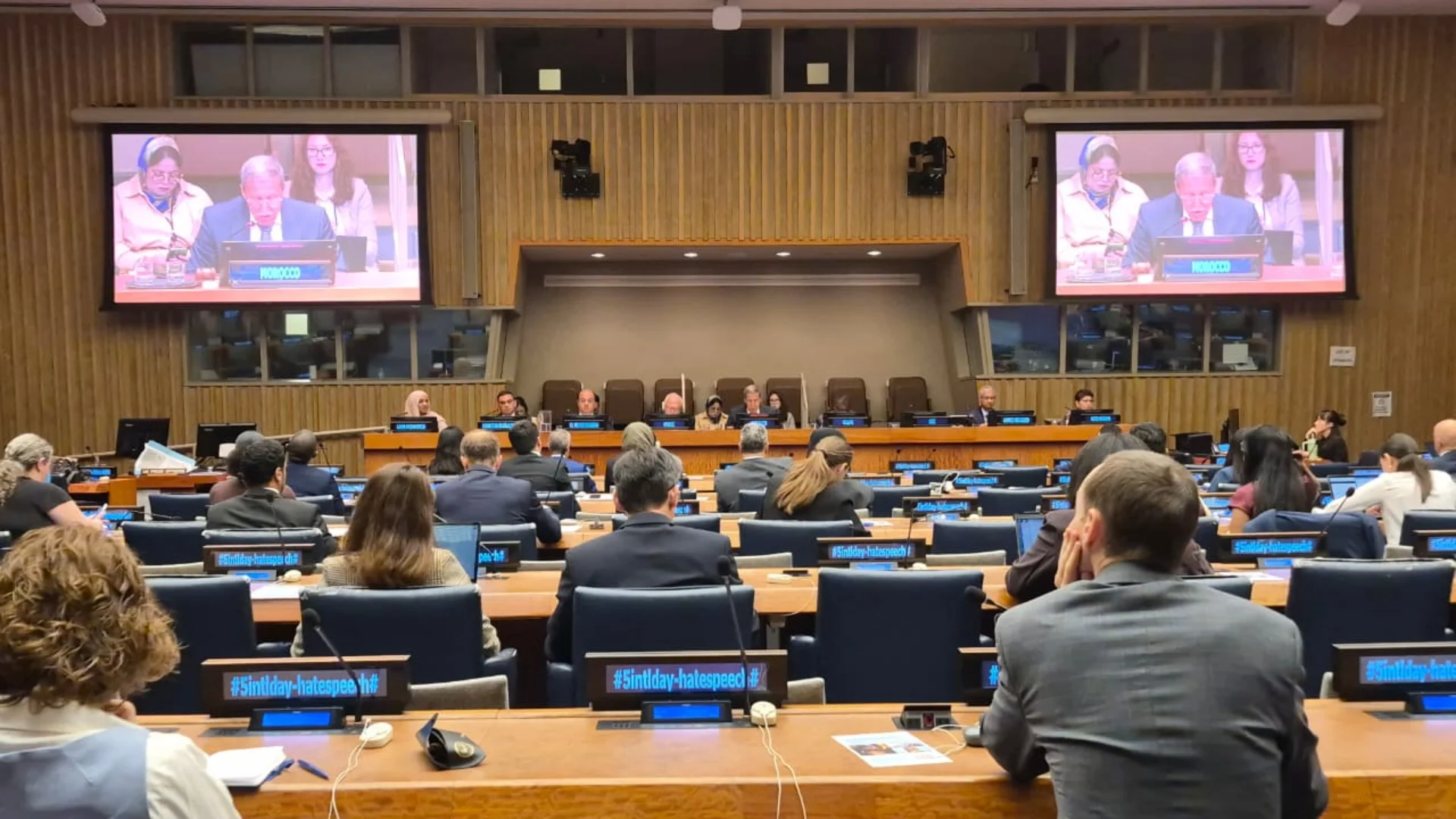
Meeting Two participated: International Day for Countering Hate Speech.
The 5th International Day for Countering Hate Speech, the power of partnerships in countering speech was hosted by The Permanent Mission of the Kingdom of Morocco to the United Nations and the United Nations Office on the Prevention of Genocide and the Responsibility to Protect, on June 18, 2026 at the UN (Room 4)
The session focused on partnerships and coalition building, with emphasis on practical approaches and tools for countering hate speech. The call is to increase their efforts to counter discrimination and hate speech. Tackling hate speech remains a key priority through the implementation of the United Nations Strategy and Plan of Action on Hate Speech. It underscores the importance of partnerships in the fight against hate speech. Indeed, as hate speech affects the whole society, a whole-of-society approach is necessary to address this phenomenon.
Concept note:
Please read details of this initiative:-
Watch the video of the session:
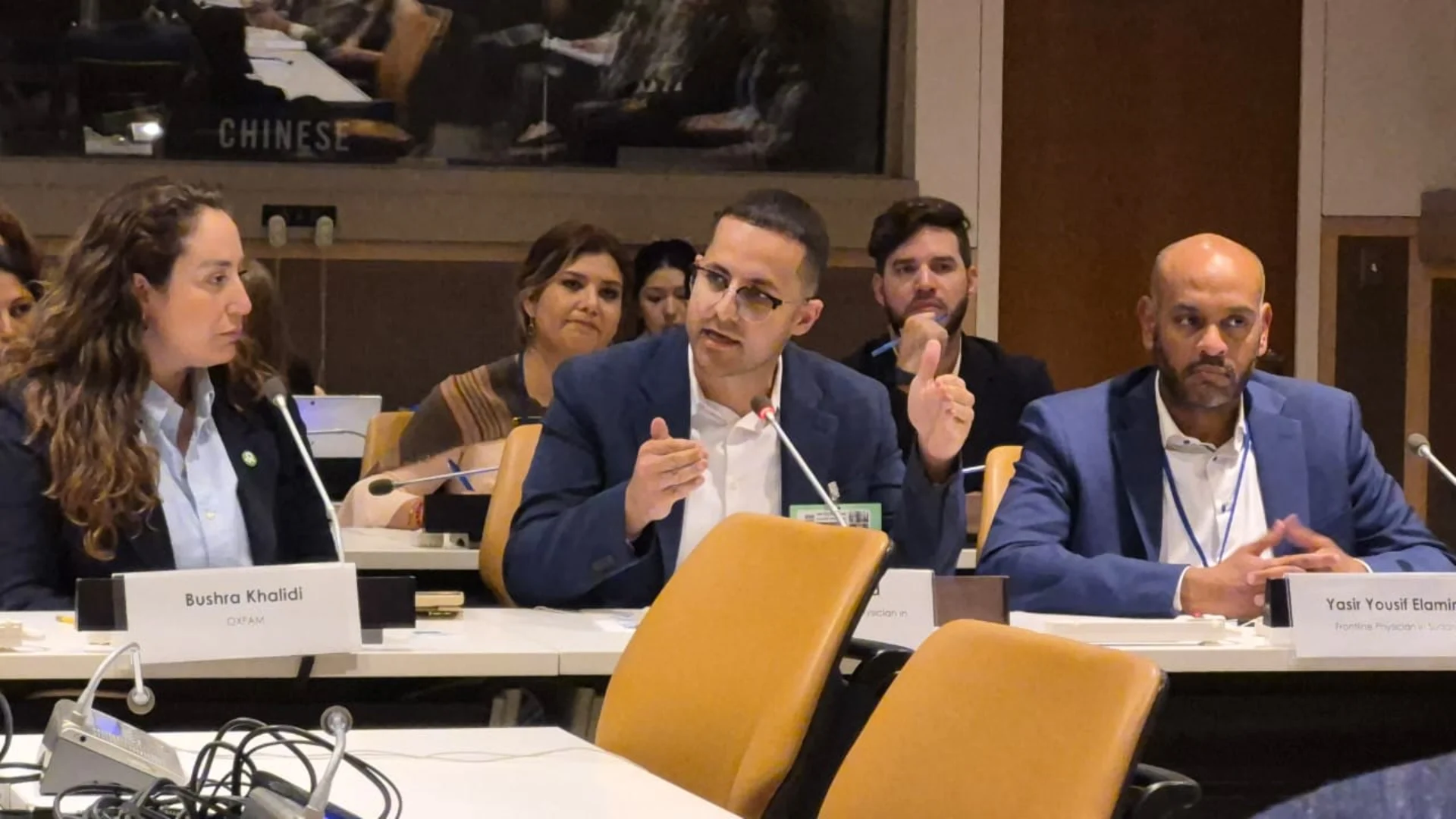
Meeting Three participated – A side event on humanitarian law and protection of health care workers
A side event on June 18, 2026 on “Delivering on international humanitarian law: Mobilizing action to protect health care in conflict”. Held in Conference Room 11 at the UN Headquarters during the ECOSOC Humanitarian Affairs Segment (HAS). The side event was hosted by the Permanent Mission of Spain to the United Nations
The session focused on concrete steps to enforce Security Council Resolution 2286 and mitigate the mounting attacks on medical facilities in war zones. These were real life stories of doctors and health care workers killed, arrested and abused while on duty saving lives during armed conflict. Stories from Gaza, Sudan and Lebanon.
Read concept note on this event (as attached)