
By James Ryan Raj, Deputy Director APPGM-SDG & Secretary of ASSEC
The 5th Malaysian Sustainability Leadership Summit, held on 15 September 2026 at the Majestic Hotel Kuala Lumpur, brought together voices concerned with Malaysia’s sustainable future. Jointly organised by APPGM-SDG, KSI and ECKL, the summit was officiated by YB Dato’ Sri Hajah Nancy Shukri, Minister of Women, Family and Community Development.
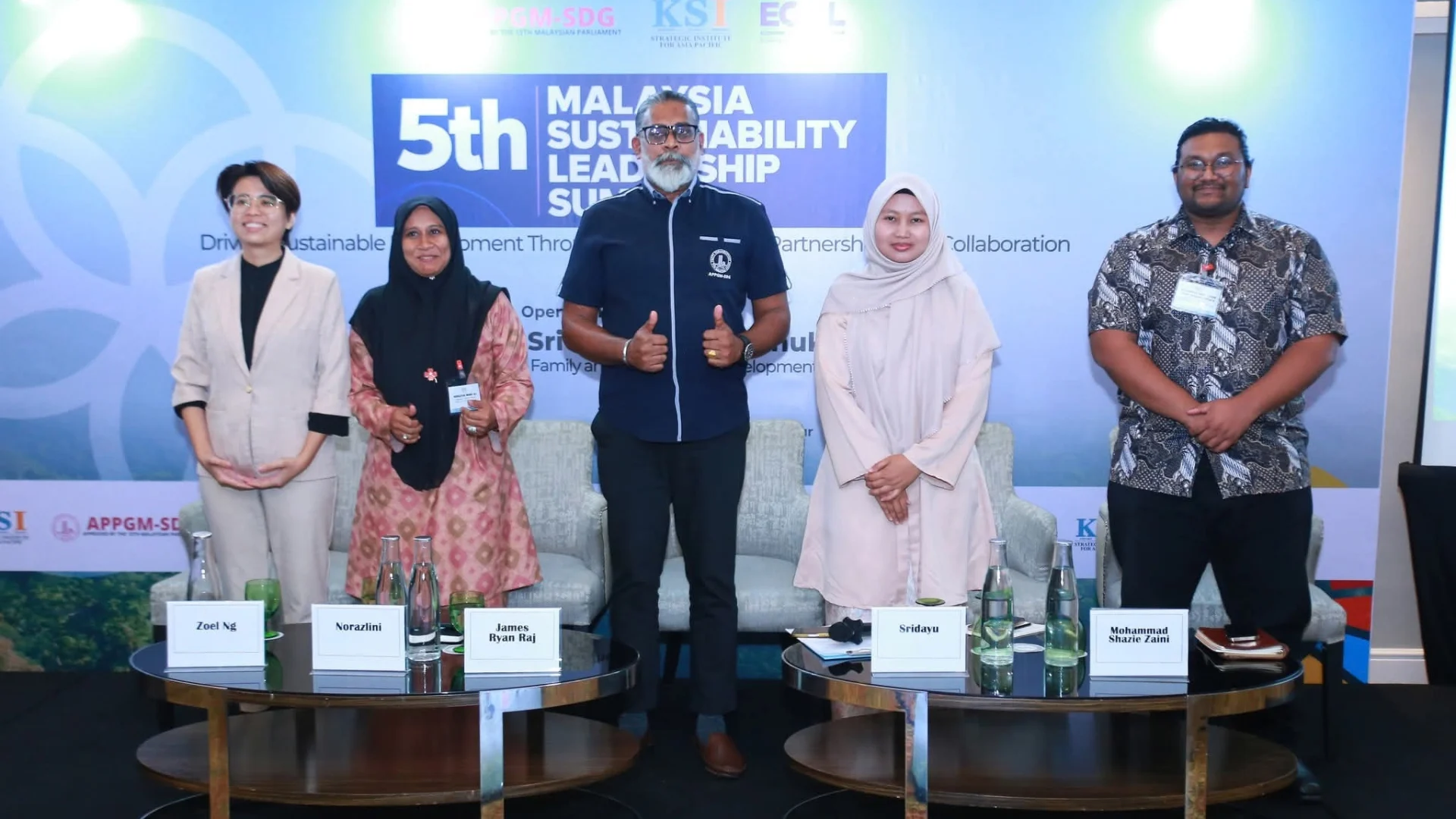
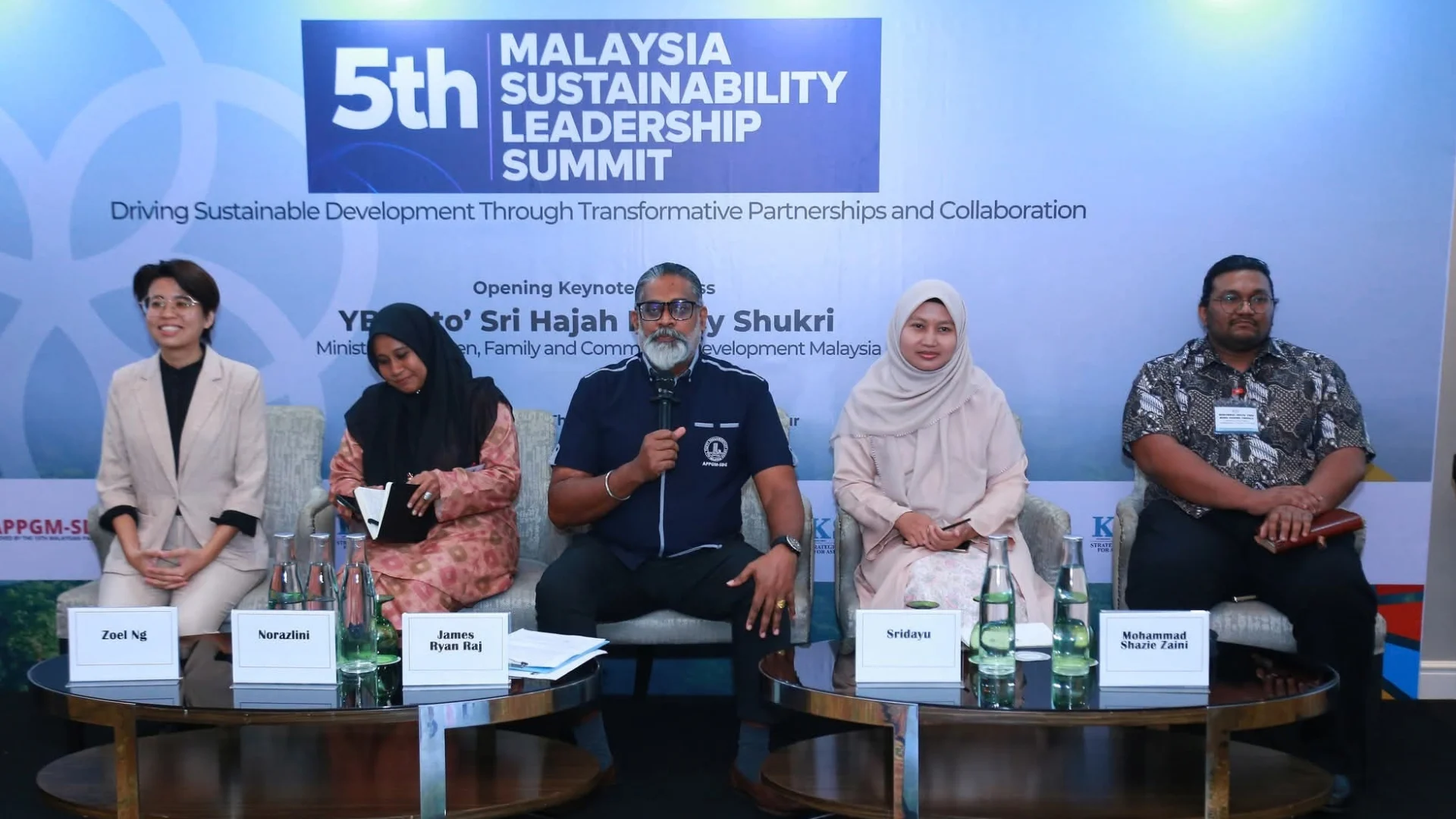
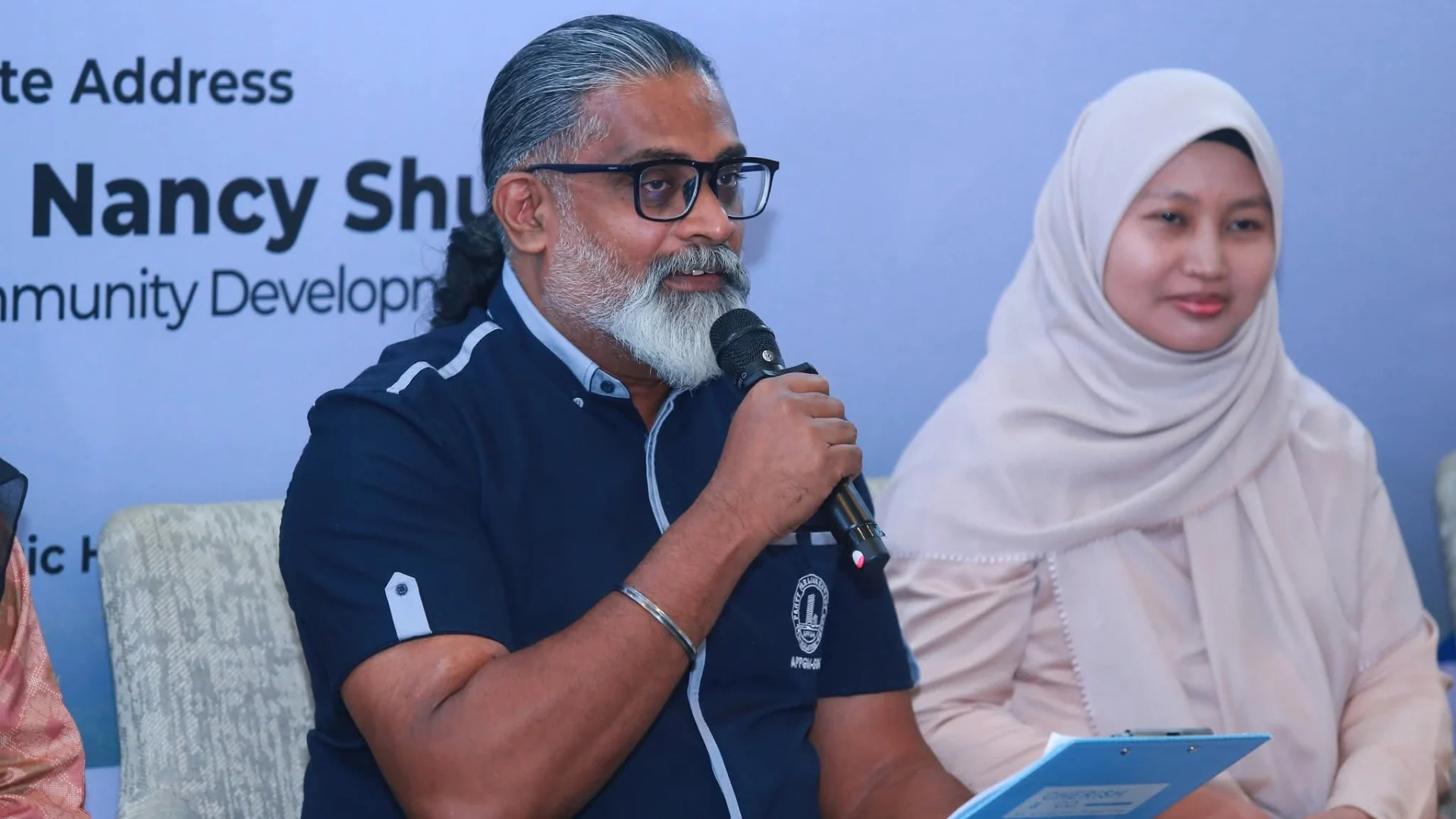
Its final session, “Social Economy and the Third Sector: Empowering Communities for Inclusive Growth and Wellbeing,” placed communities at the centre of that future. Moderated by James Ryan Raj, Deputy Executive Director of APPGM-SDG, the discussion examined how civil society organisations, social enterprises, cooperatives and community groups can improve livelihoods while creating lasting social value.
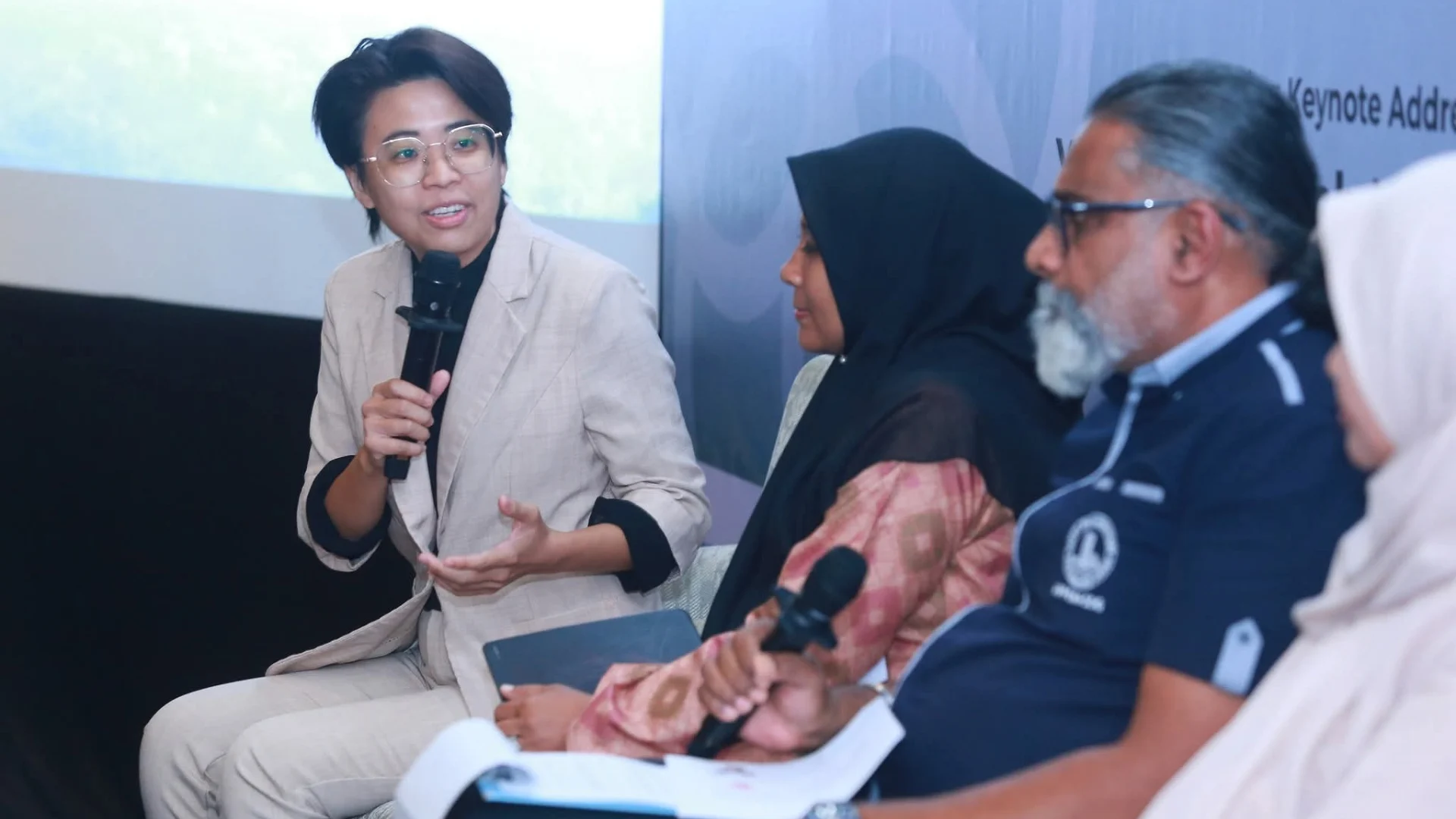
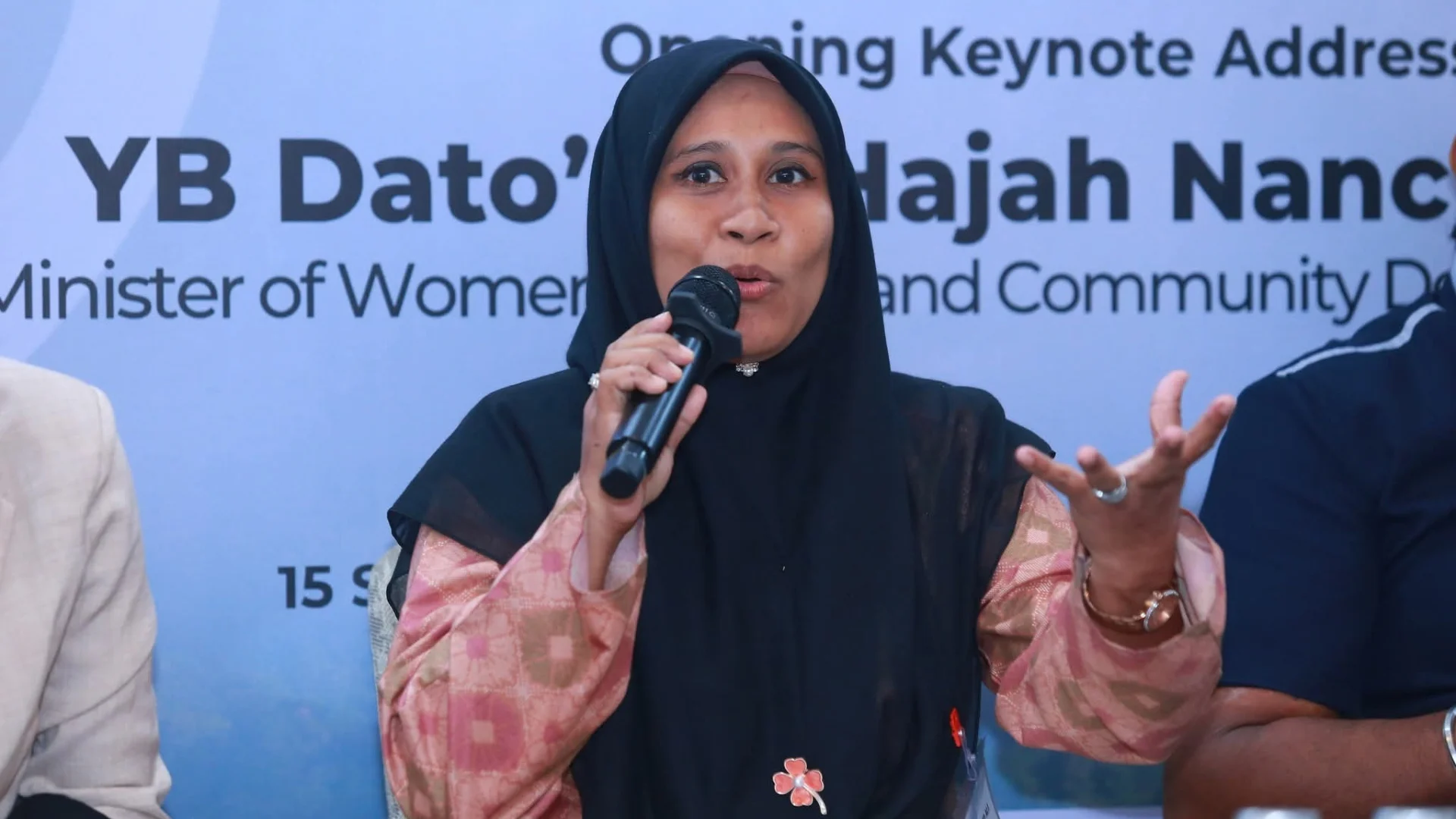
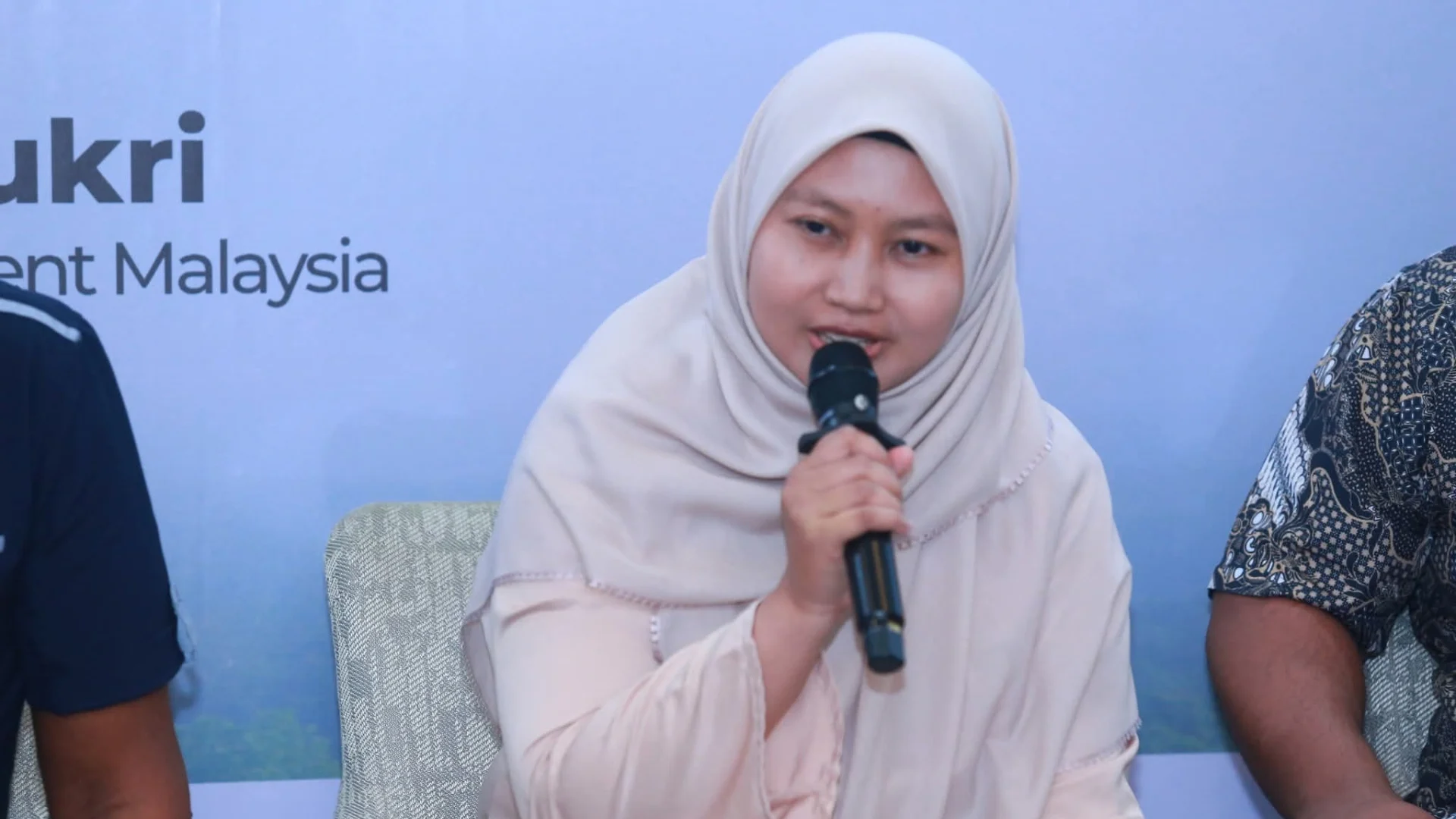
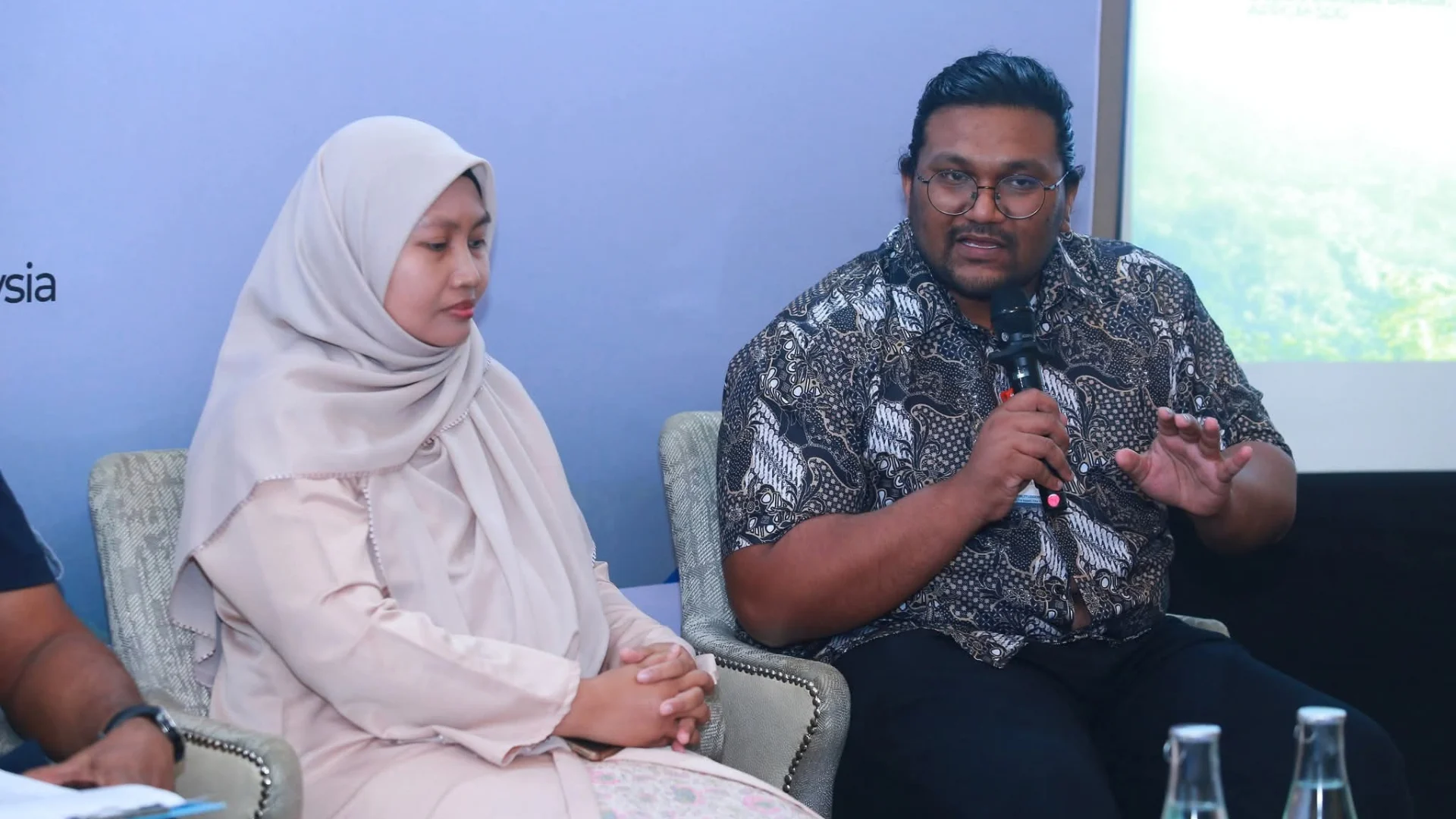
The four panellists brought distinct experience to the subject: Zoel Ng, Director of MySDG Academy, APPGM-SDG; Norazlini Mohd Ali, Chairperson of Koperasi Pelancongan Hanya D’ Pasoh Berhad and an APPGM-SDG Solution Partner through ATOA Enterprise; Sridayu Samsuri, Chairperson of Persatuan Wanita Inspirasi Kuantan (WINK) also an APPGM-SDG Solution Partner and Founder of Teja Station; and Mohammad Shazie Zaini Mohd Shahril Firdaus, Chairman of Koperasi Matlamat Pembangunan Lestari Berhad (KOP SDG).
From local needs to community solutions
The session began with a practical question: what unique role does each organisation play in the social economy, and how can its work improve livelihoods and wellbeing? It invited the panellists to consider the difference between delivering a programme to a community and building a solution with that community.
That distinction shaped the discussion. People closest to a challenge often understand its causes, available resources and workable solutions. Their knowledge can guide initiatives in skills development, tourism, enterprise and other areas of local economic life. For such initiatives to last, community members need a meaningful part in identifying priorities, making decisions and sustaining the work.
James’s questions therefore asked the panellists to look beyond participation as attendance. How can organisations build trust? How can residents become leaders, producers and decision-makers? How can a promising project continue when its initial support ends? These questions gave the session a shared purpose across four different fields of practice.
Four perspectives on the social economy
Zoel Ng’s work with MySDG Academy brought education and capacity building into focus. Third Sector organisations may already contribute to the Sustainable Development Goals through their daily work, yet need support to connect local activities with those wider goals. The question directed to Zoel explored how training can help organisations plan their work, assess results, and explain their contribution more clearly. Stronger skills in these areas could help community organisations learn from experience and build more effective partnerships.
Norazlini Mohd Ali’s experience in tourism and cooperative leadership offered a perspective rooted in place. Community-based tourism has the potential to generate income through local knowledge, culture and enterprise. The question posed to her examined how that potential can be developed while protecting the environment and keeping communities involved in decisions and benefits. It also raised a wider issue for the social economy: growth is most valuable when local people have a stake in shaping it.
For Sridayu Samsuri, the focus was social enterprise and the challenge of sustaining both an organisation and its purpose. Through her roles with WINK and Teja Station, she represented a perspective on creating economic opportunities alongside social impact. The moderator’s question asked what motivates such an enterprise and how it can balance commercial needs with its mission. That balance matters to many Third Sector organisations seeking dependable income without losing sight of the people they aim to serve.
Mohammad Shazie Zaini Mohd Shahril Firdaus brought the cooperative perspective through Koperasi Matlamat Pembangunan Lestari Berhad. His question looked at how a cooperative could support local solution providers and community entrepreneurs through access to markets, procurement opportunities, partnerships and financing. It pointed to a challenge faced by many small initiatives: a good product or service needs a reliable route to customers and opportunities if it is to grow.
Together, these perspectives showed the breadth of the social economy. Training can strengthen an organisation’s capabilities. Tourism can create opportunities tied to local assets. Social enterprises can pursue income and social purpose together. Cooperatives can help members organise and reach markets. Each approach depends on communities having a real role in decisions about their future.
Building the conditions for lasting impact
The session also addressed financial resilience. Grants can help an initiative begin, but short funding cycles make it difficult to retain staff, develop skills and plan. The moderator invited all four panellists to consider models such as cooperative enterprise, community businesses, partnerships and other forms of financing that could support longer-term work. The central question was how organisations can earn and sustain income while remaining accountable to their social mission.
Partnership was another thread running through the questions. Government, businesses, academia and civil society each have resources that community initiatives may need, from policy support and research to training, purchasing opportunities and funding. Effective collaboration starts by listening to what communities are trying to achieve, then helping them gain the capacity and access to carry it forward.
The final question asked each panellist to identify one practical action that government, business or civil society could take within the next year to strengthen Malaysia’s social economy and Third Sector. It brought the session back to action. Better support for community organisations requires more than recognition of their value; it requires opportunities to develop skills, secure sustainable resources, reach markets and show the difference their work makes.
The energy of the session lay in the range of possibilities its panellists represented. Their fields of work pointed towards a future in which community organisations are supported as development partners with knowledge, initiative and leadership of their own. As James Ryan Raj emphasised in his closing message, empowerment grows when institutions work with communities, strengthen their capabilities and enable them to take ownership of development.
For Malaysia’s social economy, the direction is clear: connect local leadership with practical support, build partnerships that respond to community priorities, and create conditions in which successful initiatives can endure. That is how inclusive growth can become something communities help design and sustain.