
Connecting decent incomes, environmental protection, climate justice and food security
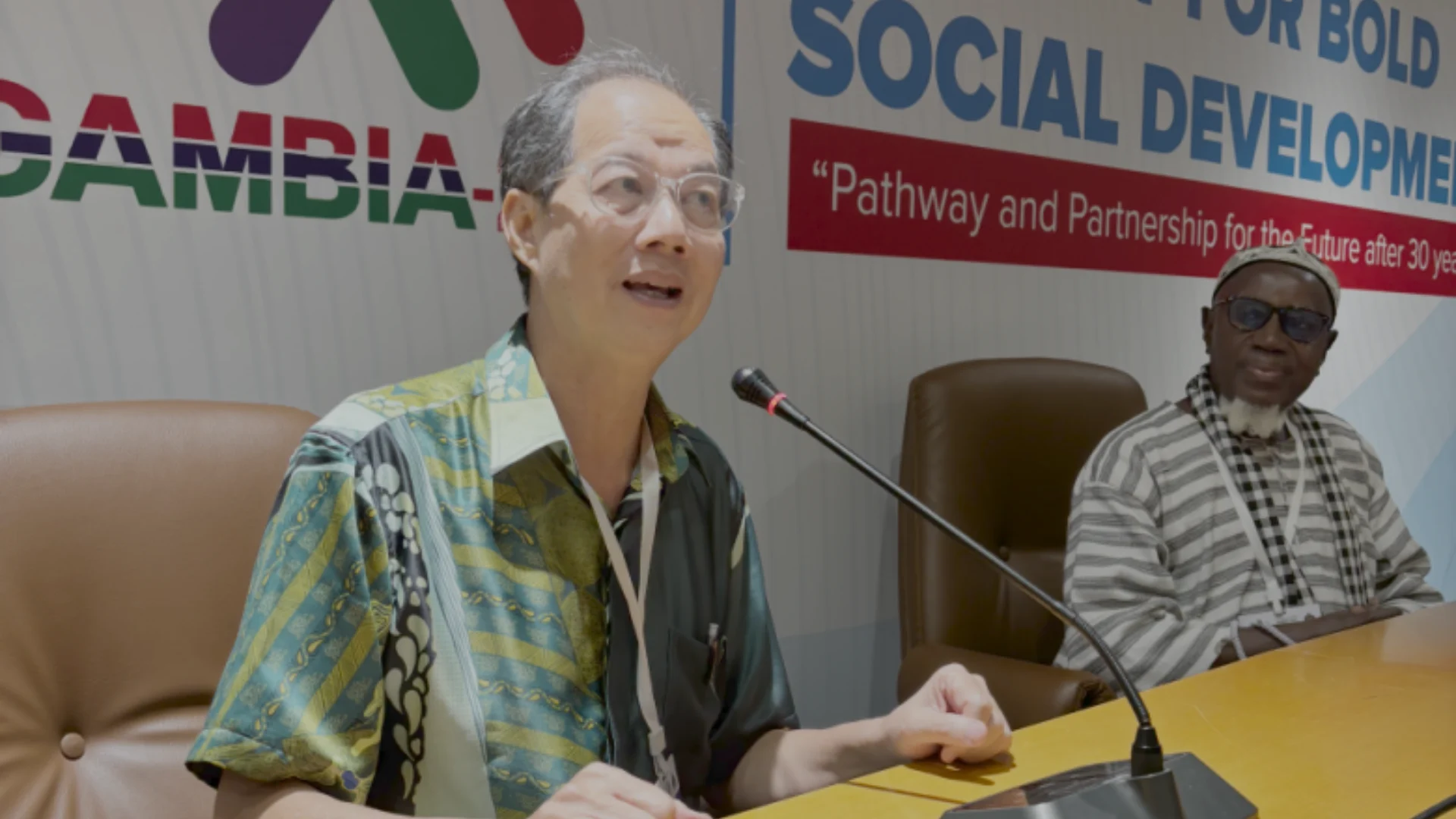
At the Gambia Summit on Social Development 2026 and side event on 15 October 2026, three Malaysian Indigenous development initiatives demonstrated how Indigenous knowledge, cultural values, environmental conservation and social enterprise can contribute to sustainable livelihoods and inclusive development.
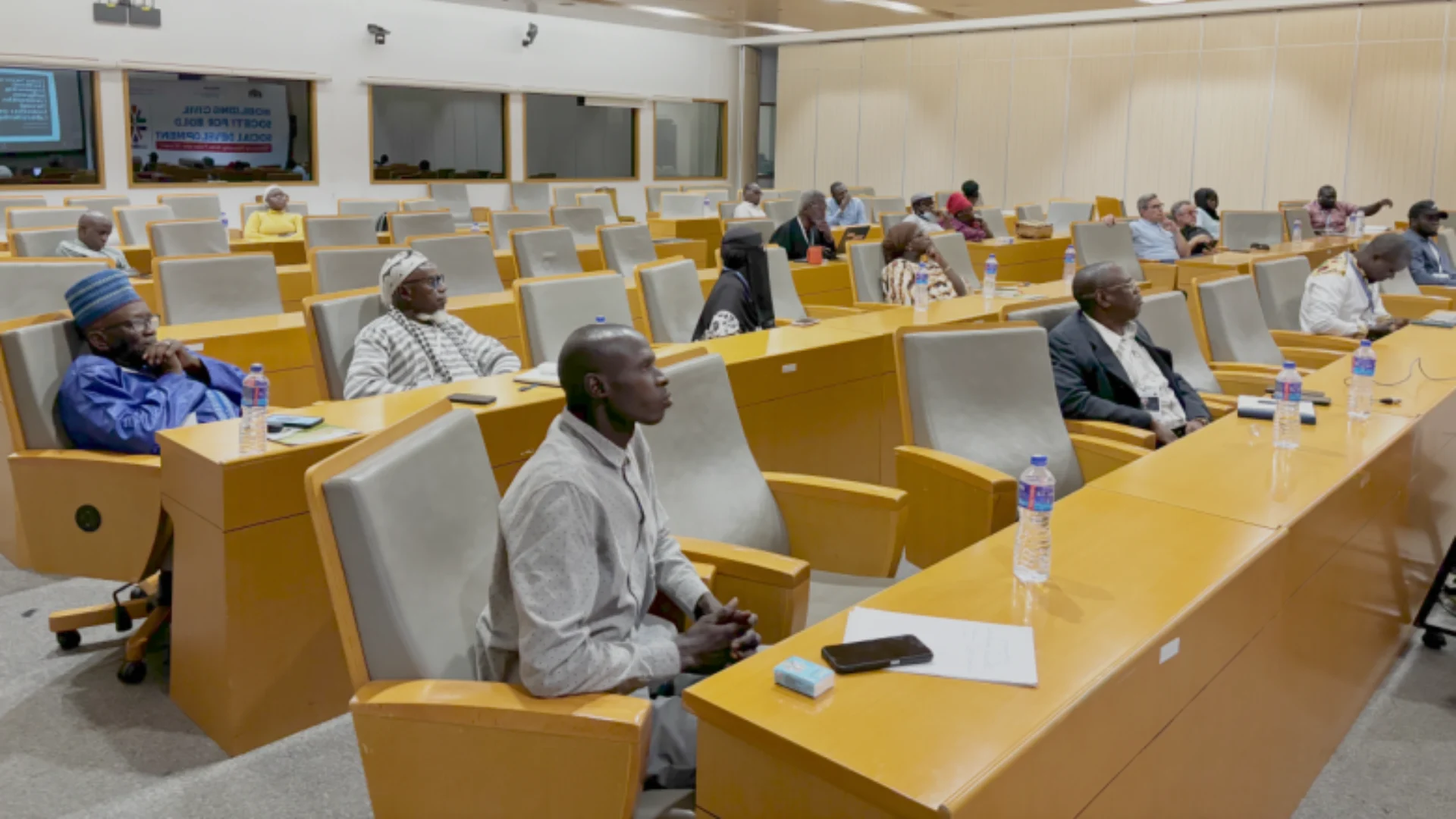
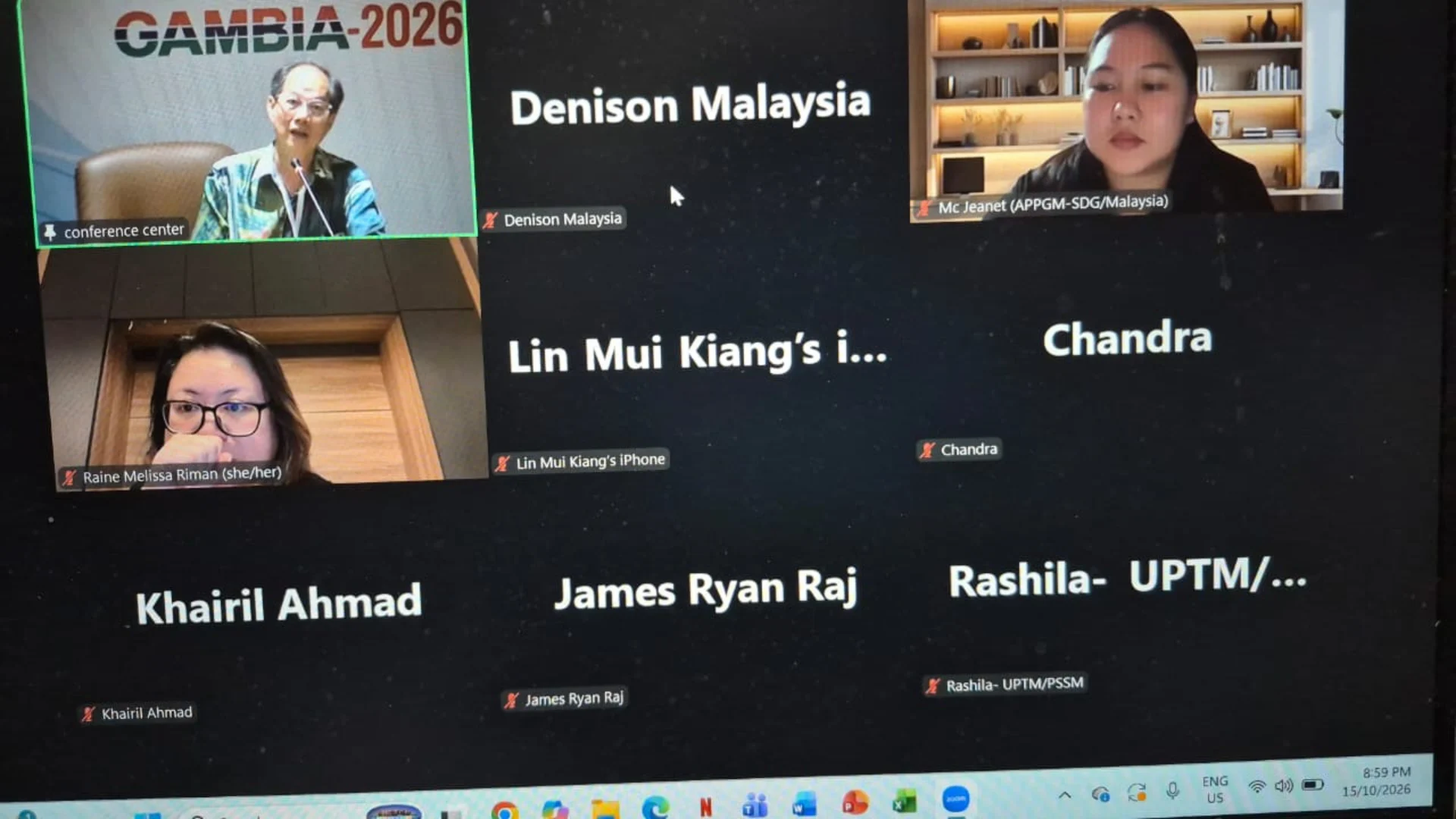
These three initiatives were presented through a panel session on 15 October 2026 at SDKJ Convention Center, in Gambia. Approximately 30 participants, mainly delegates from Africa, attended. Participants and stakeholders included representatives of Global South NGOs, Action Aid and partner organisations, including APPGM SDG and other regional partners. There were participants on line too.
Kon Onn Sein highlighted the YKPM’s OA Leaders in Nature Economics initiative, integrates Orang Asli ancestral forest protection with regenerative farming and fair-market access through OA Organik cooperative. Supporting 70 farmers, the enterprise has generated approximately RM1.3 million in farmer income, while communities have mapped 5,000 acres of ancestral forest.
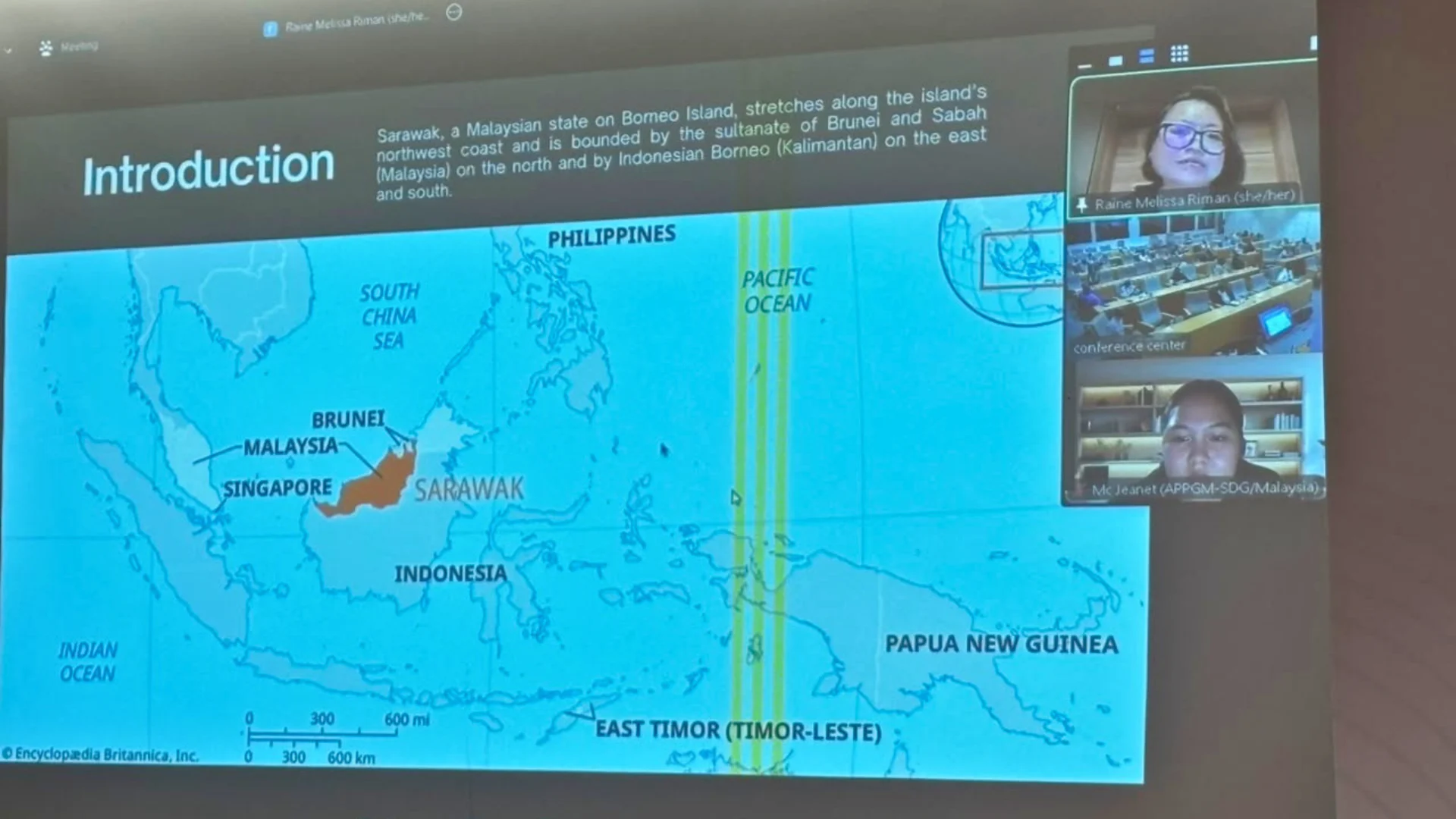
Melissa Riman shared the experiences of the APPGM-SDG Sarawak’s Ulu Sugut initiative promotes community-based ecotourism and traditional Lias handicrafts, creating alternative income opportunities while preserving Indigenous cultural heritage. The initiative involves eight villages and has generated RM26,749 in handicraft revenue.
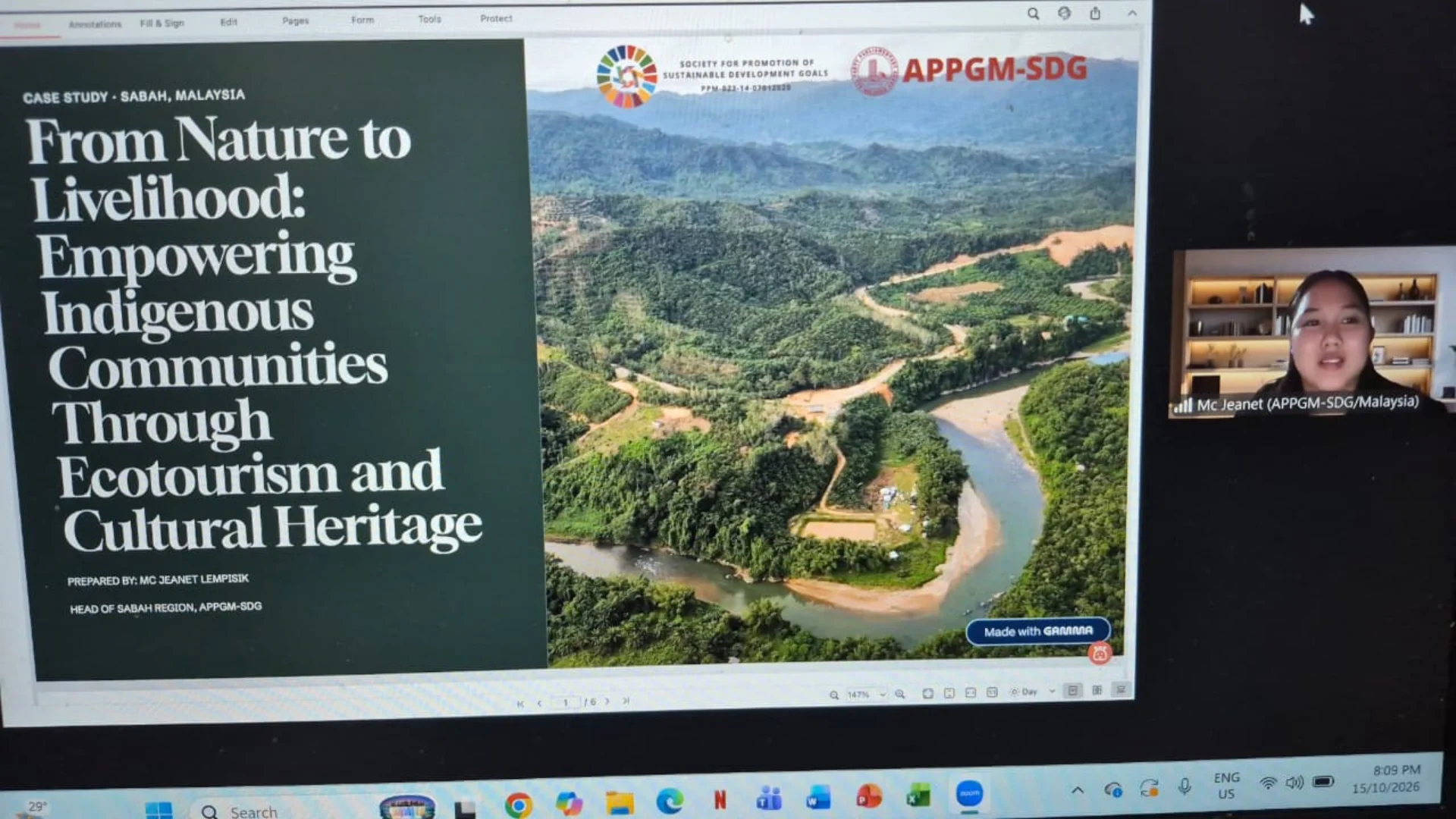
Jeanet Lempisik presented the APPGM-SDG Sabah’s initiatives which demonstrated how Sebup customary practices, particularly Tagang and Mulong, support river, forest and wildlife conservation, while the Bidayuh Liberica coffee project strengthens traditional agricultural livelihoods through improved processing and market access.
Together, these initiatives illustrate Social and Solidarity Economy principles that prioritise community well-being over profit maximisation, combining Indigenous leadership, cultural preservation, ecological stewardship and economic opportunities. Their experiences highlight the importance of customary land rights, fair benefit-sharing and community ownership in building resilient communities and decent livelihoods.
Key Objectives
- Preserve Indigenous knowledge, cultural heritage and customary practices.
- Strengthen community-led conservation of forests, rivers and biodiversity.
- Develop sustainable social enterprises through regenerative farming, ecotourism, handicrafts and coffee production.
- Improve decent livelihoods, food security and community economic resilience.
Key Outcomes
- OAOrganik: 70 farmers supported; RM1.3 million in farmer income; 5,000 acres of ancestral forest mapped.
- Sabah: Eight villages engaged; RM26,749 generated through Lias handicrafts.
- Sarawak: Revitalised traditional conservation practices, ecological recovery and improved coffee-processing capabilities.
- Collectively: Strengthened Indigenous leadership, cultural preservation and opportunities for sustainable livelihoods.