
By Abdullah Nishad (APPGM-SDG Secretariat)
Marking its 21st year, the ASEAN Civil Society Conference/ASEAN Peoples’ Forum (ACSC/APF 2026) convened civil society leaders, grassroots advocates, and social enterprise practitioners at the Quezon City M.I.C.E. Centre in Metro Manila. From Oct 27 to 29, 2026
Anchored on the theme “Resist Business-As-Usual: Disrupt, Reclaim, Rebuild”. This convening was led by the Philippine National Organizing Committee (NOC) and served as a vital platform to create safe spaces for people’s organizations and communities to share lived experiences, strengthen regional solidarity across movements, and amplify community-led responses to crises impacting ASEAN.
ACSC/APF hosted a diverse array of discussions and workshops on various topics such as youth advocacy, digital sovereignty, Indigenous people-led solutions to crises, and shrinking civil spaces, among others.
ASEC and HomeNet hosted workshop
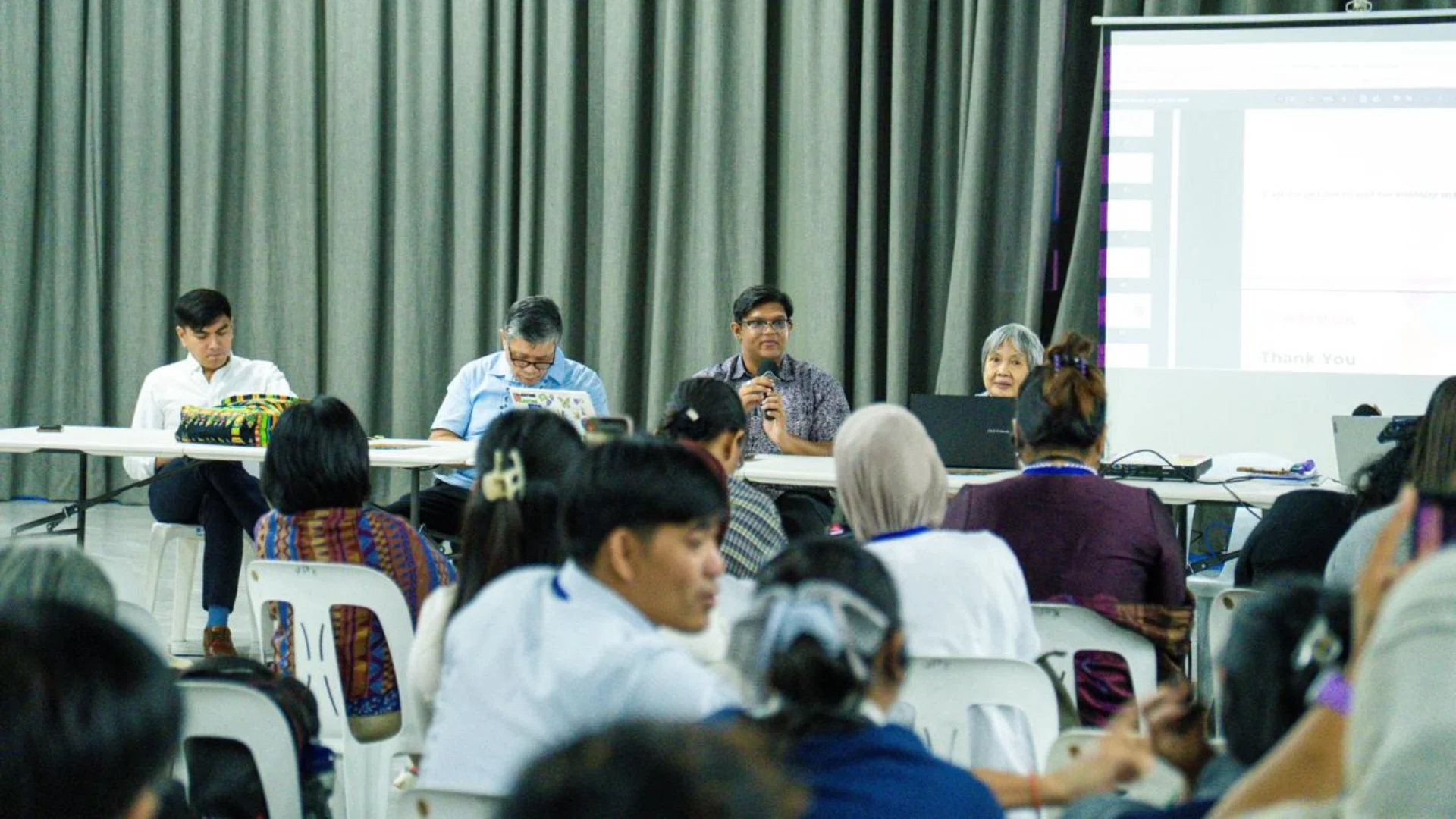
One such session was co-organized by the Asian Solidarity Economy Council (ASEC) and HomeNet South East Asia (HNSEA) entitled Advancing Solidarity Economy for a people-centred ASEAN: Advocacy and Action for the SDGs. This session explored how the Social and Solidarity Economy (SSE) accelerates the Sustainable Development Goals (SDGs), strengthens regional advocacy, and expands social protection for vulnerable communities.
Key Discussions and Panel Highlights
This session featured a panel that unpacked the social and solidarity economy across several perspectives:
Dr. Benjamin Quinones Jr. (Founder of ASEC, Philippines) laid the groundwork by examining the foundational principles of the Social and Solidarity Economy and the critical role of cross-border collaboration within the ASEAN region.
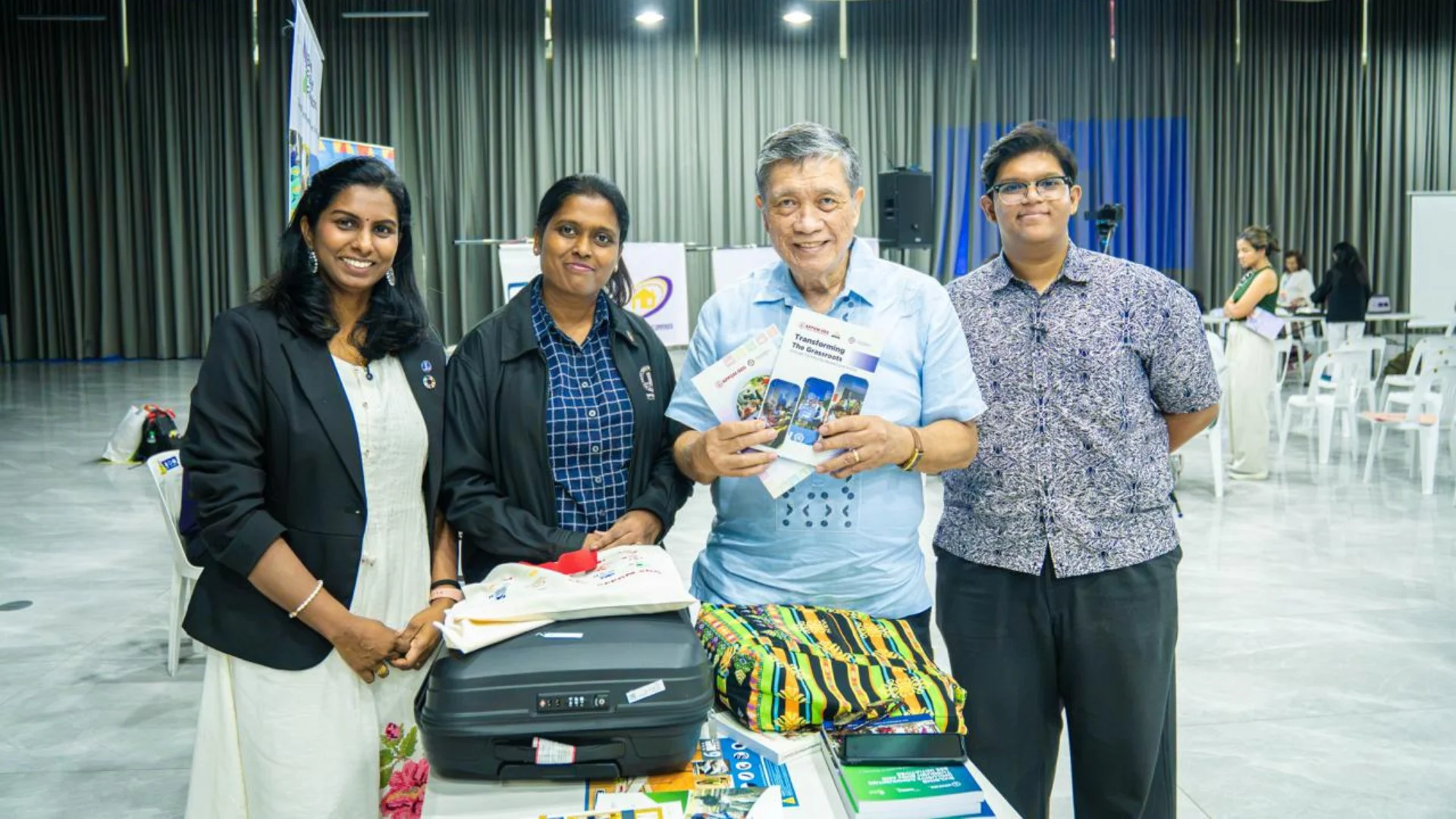
Abdullah Nishad (APPGM-SDG, Malaysia) presented the ASEAN SDG-SSE Roadmap (2026–2030), a strategic framework that aligns grassroots economic initiatives with regional sustainability targets.
Carlo Sagun (President and CEO of the Bayan Family of Foundations, Philippines) brought practical, on-the-ground perspectives, detailing how social enterprises operate and thrive within local communities in the Philippines.
Dr. Rosalinda Pineda Ofreneo (ASEC Philippines & HomeNet Multipurpose Cooperative) addressed the vital intersections of SSE with care work, gender justice, and social inclusion, emphasizing the imperative to uplift left behind groups.
Grassroots Exchange at the World Cafe
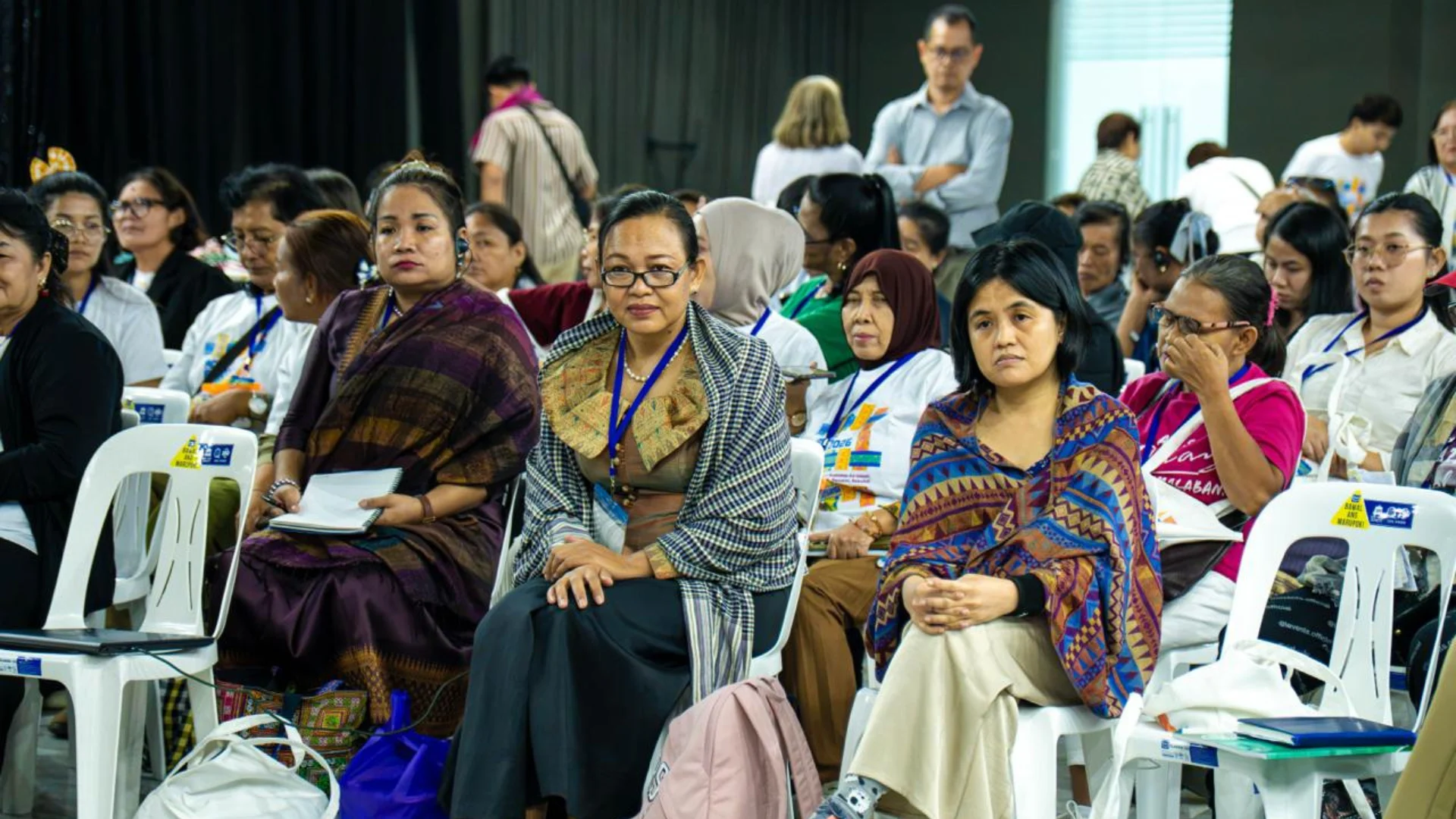
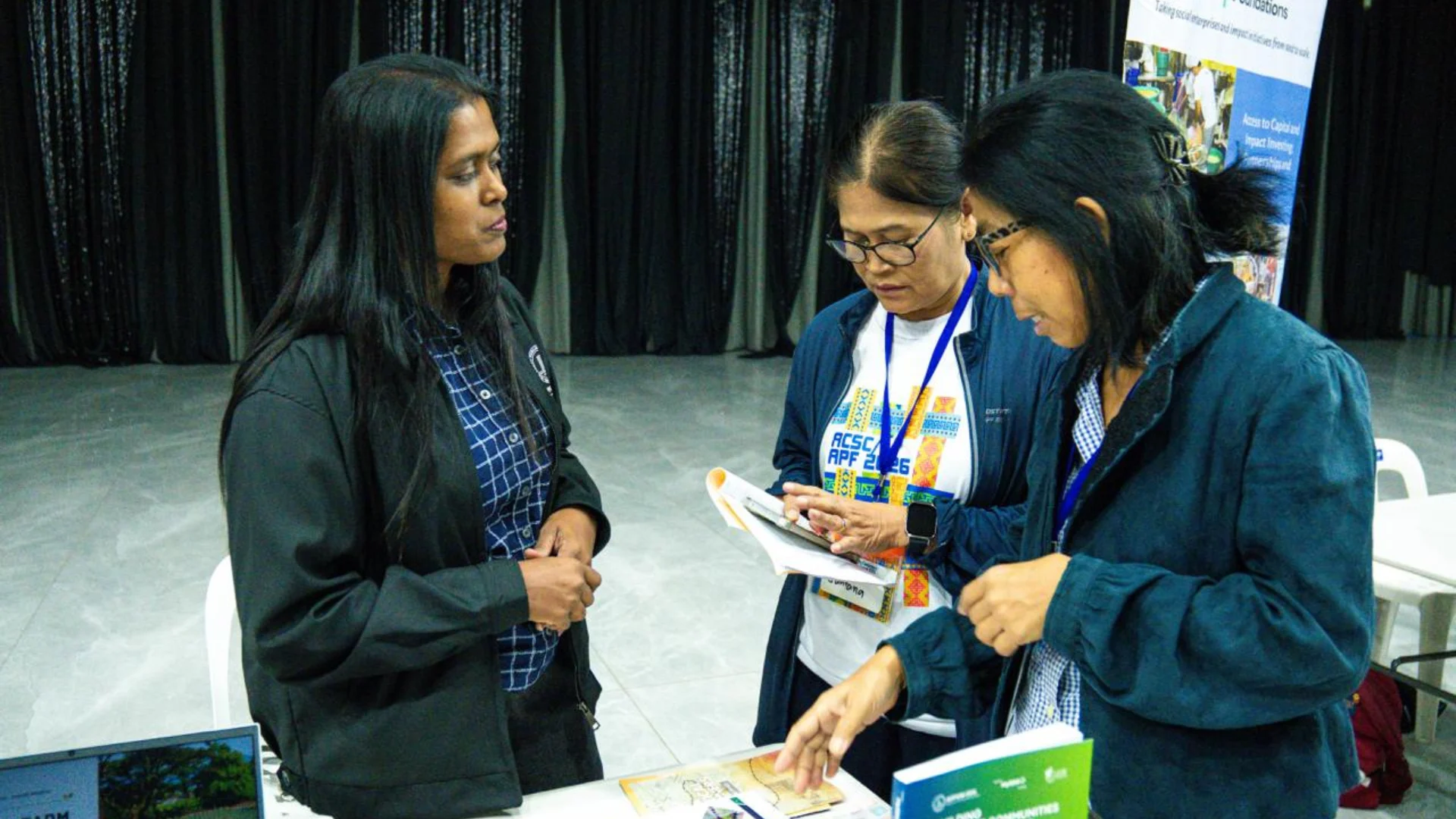
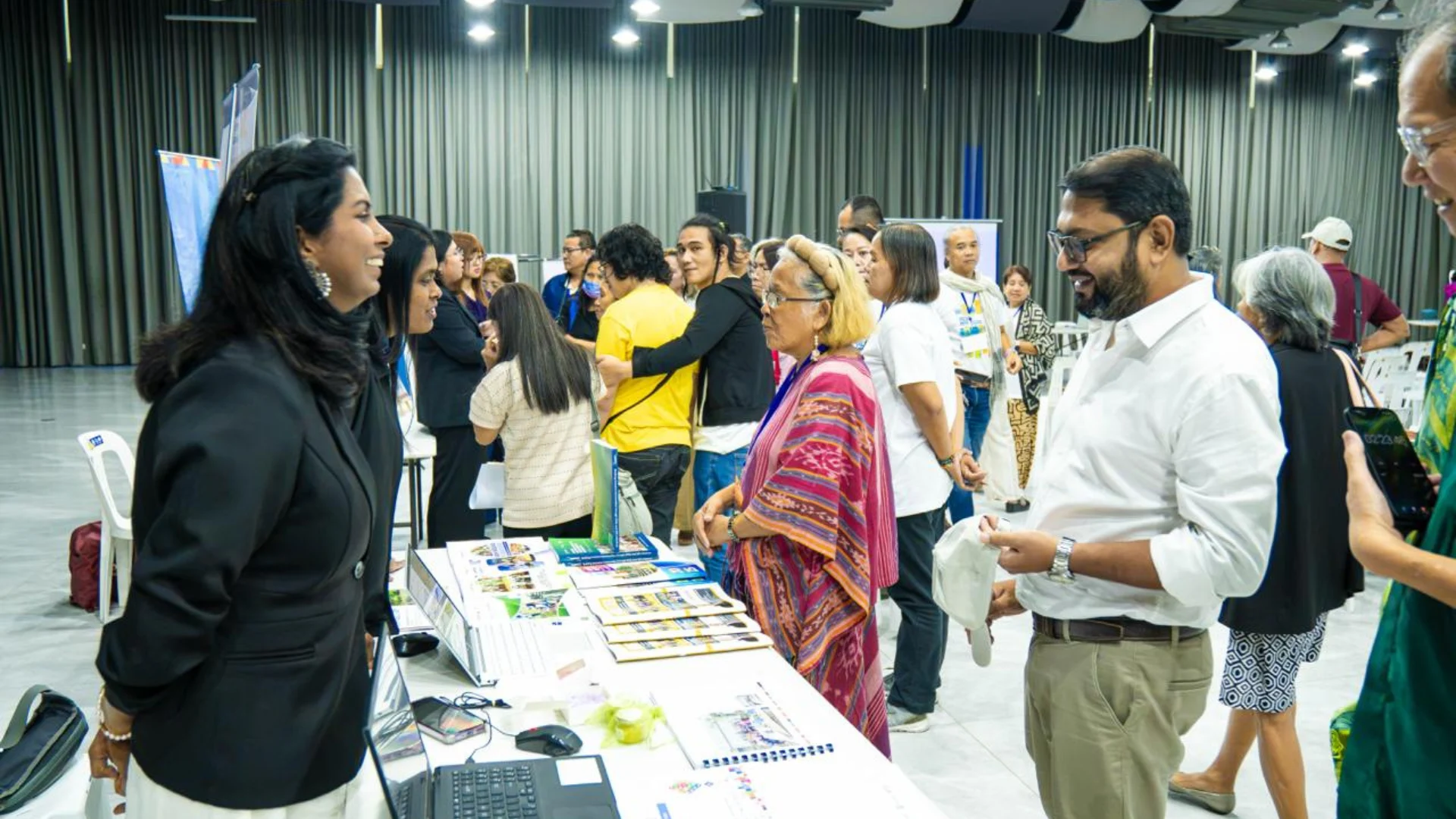
Following the plenary panel, participants engaged in an interactive World Cafe session. This segment allowed SSE entities—including HomeNet members from various ASEAN nations, as well as members from APPGM-SDG’s SDG Cooperative (Kop SDG) and Ipoh Model Farm in Malaysia—to exchange best practices, share localized coping strategies, and forge cross-border alliances to fortify social protection networks in the region.
Ms Shiyamala Subramaniam from Kop SDG, Malaysia shared experiences from the ground with regard to the circular economy, as her organisation (Mypureherbs) recycles waste such as used cooking oil, fruit peels, and others to be turned into saleable products.
Ms Rose Helen from the Ipoh Model Farm, Malaysia shed light on the farm’s delivery model. Ipoh Model Farm’s production is supported by local community participation which is viewed as shared responsibility. This is divided into three areas:
- Production: Polybag cultivation, greenhouse growing, fertigation, and crop management.
- Participation: Beneficiaries contribute to agreed farm activities, including harvesting.
- Partnership: APPGM-SDG works with agriculture and local public-sector partners.
By bridging grassroots action with macro-level policy frameworks, this ACSC/APF 2026 session underscored that a people-centered economy is not just an alternative vision, but an essential driver of sustainable development in Southeast Asia.