Moving the agenda via the Online Conversation on Zero Draft of CSO Framework of Action for social development (Gambia 2026)
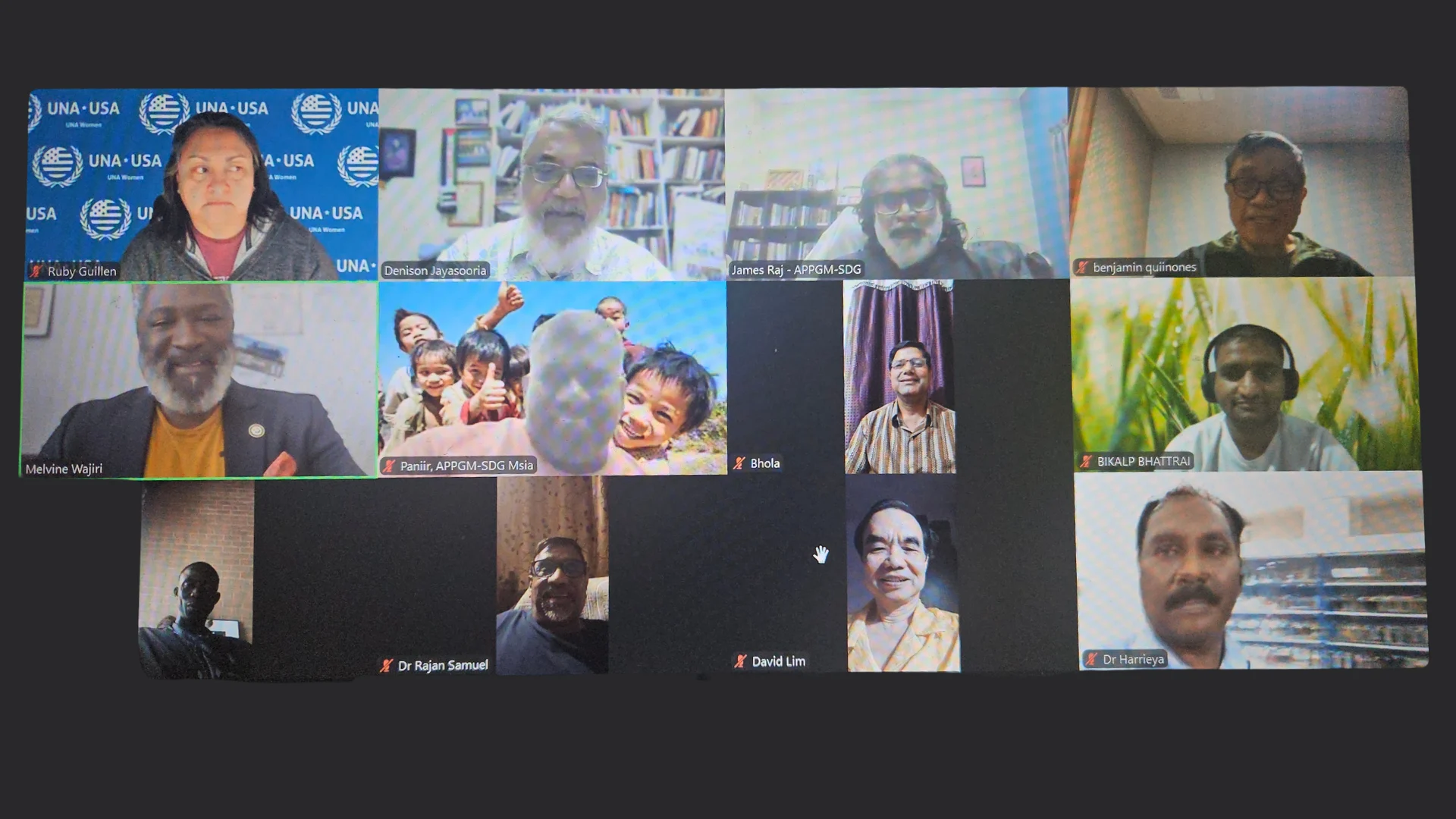
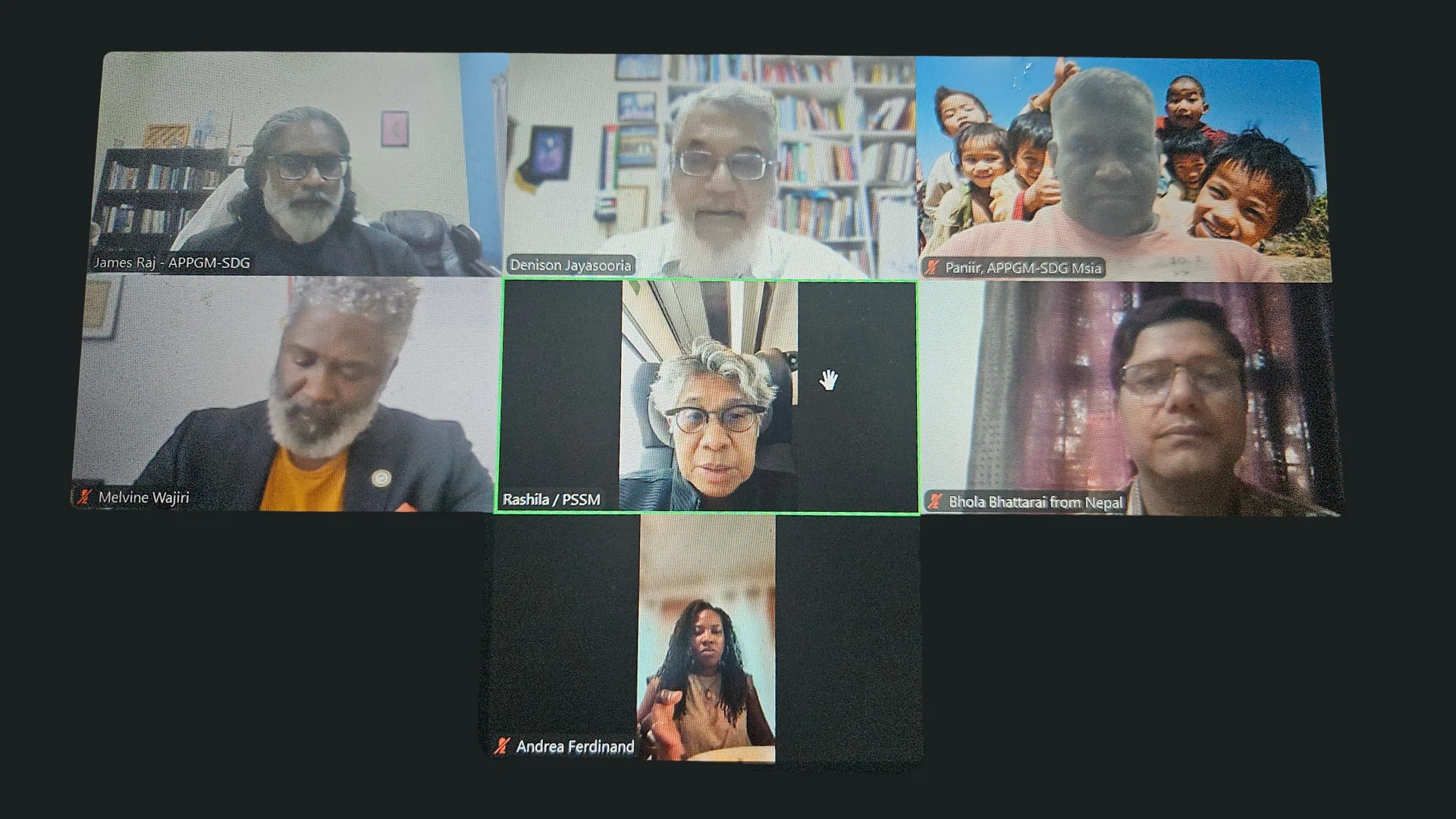
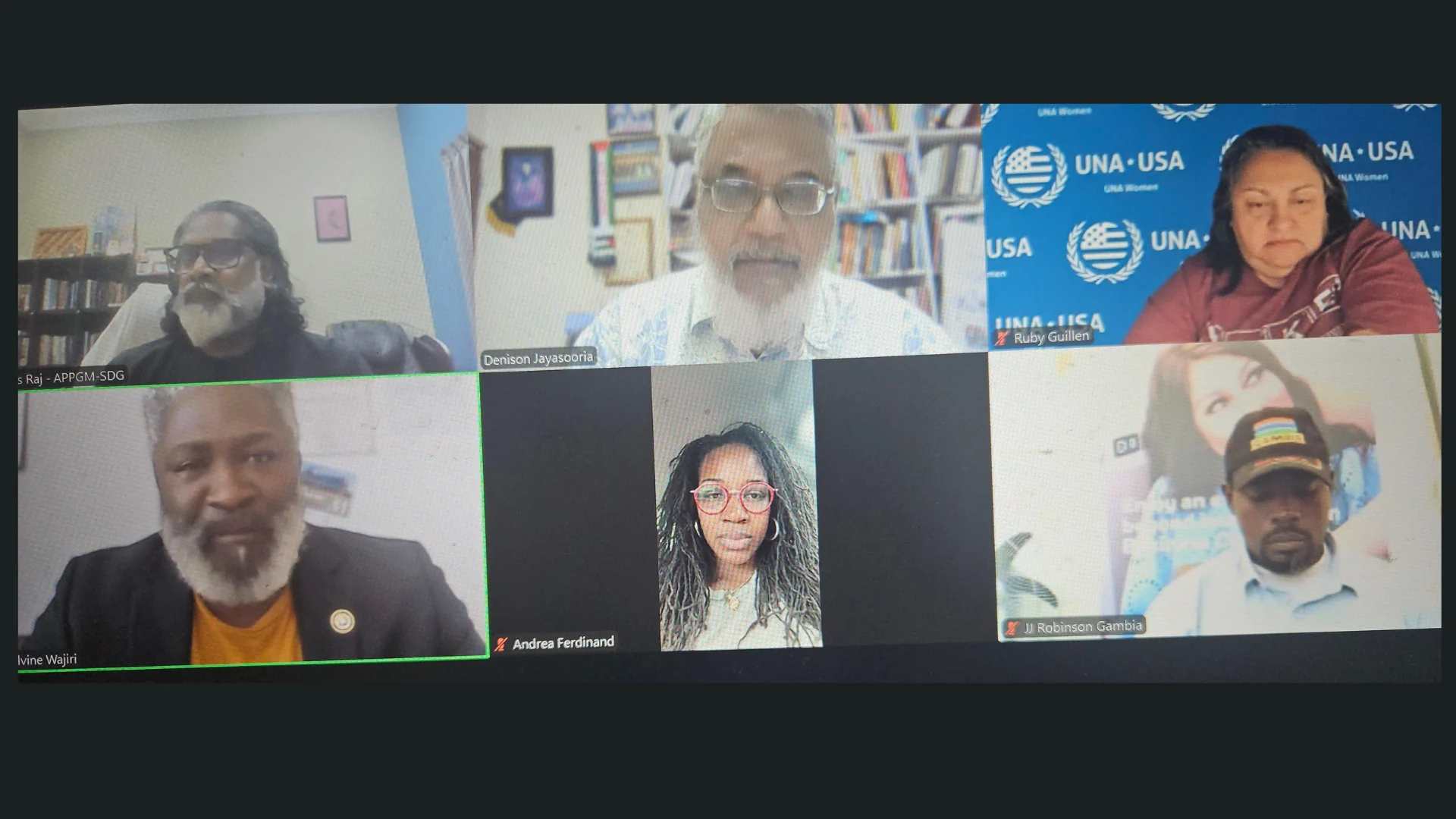
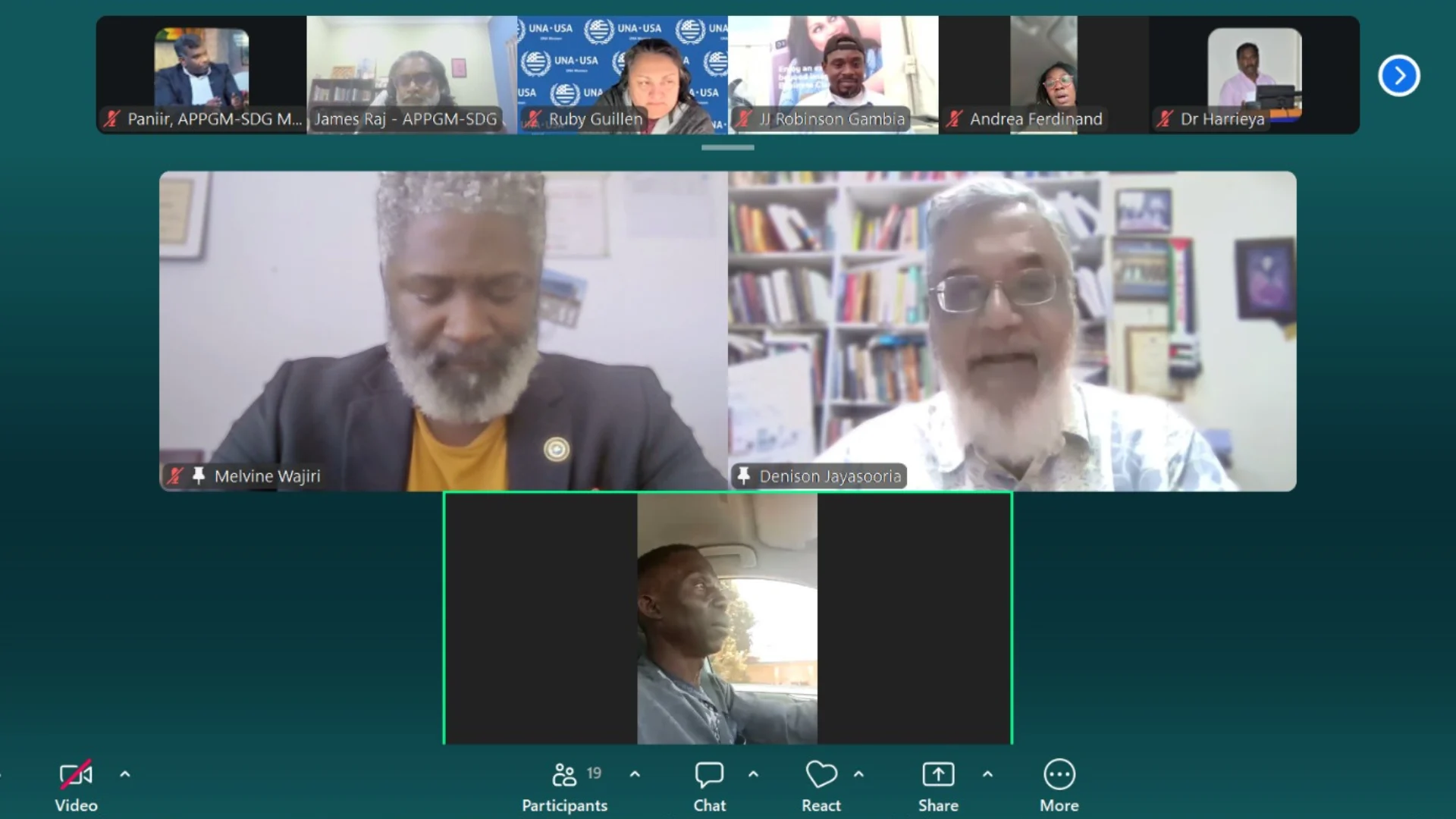
Twenty of us gathered online (May 2, 2026) from various countries including Malaysia, Philippines, India, Nepal, Gambia, USA and United Kingdom. While some were from the ASEC SSE, others were new friends from the NGO coalition for social development and the CSO-NGO from Gambia. Some of them were meeting for the first time.
After a brief introduction where everyone introduced themselves to each other, Denison Jayasooria provided a slide presentation on some lessons from the Doha Declaration and key points from the zero draft. (This set of slides is enclosed here for your review).
In his presentation Denison highlighted that the Zero draft document was to translate Doha’s inter-governmental commitments into a civil society framework: A Civil Society Framework of Action for Social Development. Doha Declaration recognises the roles of social actors as development stakeholders. This includes CSOs, CBOs, faith-based organizations, social partners, philanthropy, academia, and responsible business.
Denison went on to highlight three key features of the draft document: –
- The Framework proposes: Vision and Guiding Principles
- Six Strategic Pillars (From Doha Declaration) and application to CSO role with priority actions, indicators, actors, and timelines
- Civil Society applying safeguards and practical standards
Denison concluded by stating:
We can redefine the CSO-NGO role in social development via the SDG, Doha Declaration and the Gambia statement (Oct 2026)
We must organise ourselves as the Third Sector and stand tall with Government (First Sector) and business-private (Second sector) – need stronger solidarity with CSO-NGOs : Local, National, Regional and Global
We need to set aside resources both human and funds for this partnership. Global funding is difficult so local groups must also invest in global partnerships and view these as social investment
Melvine Wajiri (Co-Chair of the NGO Committee for Social Development (NGO CSocD) of the United Nations) shared his experiences at the Copenhagen social development event in 1995 and his most recent experience at Doha (Nov 2025). He shared how the NGO coalition was established by 70 NGOs who are New York based and how they have been active in the social development areana. He highlighted that prior to Doha they hosted an NGO gathering in Canada as a preparatory meeting to Doha.
The current effort at the Gambia gathering (12-16, Oct 2026) is to consolidate the NGO Framework for social development. This is a participatory process. Melvine was happy to announce that the Government of Gambia has agreed to host this global NGO gathering. Melvin highlighted that in Gambia the unsung heroes of NGOs will be honoured.
Malang Sambou, the local host and coordinator of the 2026 Gambia gathering welcomed everyone to Gambia in Oct. 2026. He said that we need to build cooperation based on south-south cooperation. “Our effort must not be to look for a donor but investors”, he said
Dr Ben of ASEC affirmed the theme of partnerships too. He highlighted of the ASEAN SDG-SSE online event on 20-21 May 2026 which provides an opportunity to build partnerships and solidarity for this common course. Mobilising Asian partners for global conversation is a major need.
Bhola of Nepal felt that the term human rights must also include nature’s rights and that it should not just be people centred but “people-nature centred”.
Rajen Samuel of India highlighted the need for financial inclusion and Panir of Malaysia called for the formulation of a transformational model. He strongly felt that the draft document must include the SSE model and make specific reference to social and community workers role too.
Many others spoke up including Andrea (UK), Ruby (USA), Robinson (Gambia) and James (Malaysia) sharing views and calling for strengthening of partnerships. Most concluded that this was a good conversation and for many a first-time meetings as global NGO actors in social development and community empowerment especially with African counter-parts.
This is the first in the series of online conversations and discussions prior to the Gambia summit in Oct 2026. As organisers we are happy to receive your comments and suggestions to improve the zero draft. Please be free to email: denisonjayasooria@gmail.com
Zero Draft: Civil Society Framework of Action for Social Development